
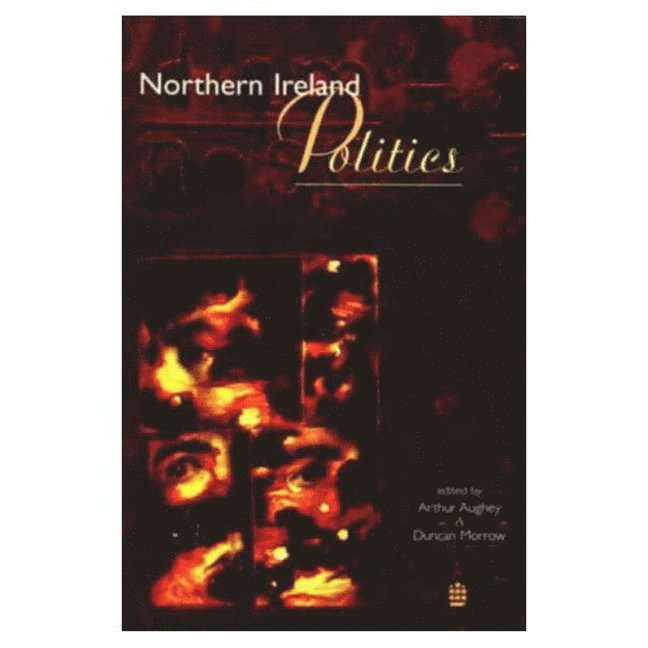
Politics of Northern Ireland
Beyond the Belfast Agreement
Inbunden, Engelska, 2005
4 029 kr
Beställningsvara. Skickas inom 10-15 vardagar. Fri frakt för medlemmar vid köp för minst 249 kr.
Finns i fler format (1)
In this book, one of the leading authorities on contemporary Northern Ireland politics provides an original, sophisticated and innovative examination of the post-Belfast agreement political landscape. Written in a fluid, witty and accessible style, this book explores:how the Belfast Agreement has changed the politics of Northern Irelandwhether the peace process is still validthe problems caused by the language of politics in Northern Irelandthe conditions necessary to secure political stability the inability of unionists and republicans to share the same political discoursethe insights that political theory can offer to Northern Irish politicsthe future of key political parties and institutions.
Produktinformation
- Utgivningsdatum2005-02-10
- Mått156 x 234 x 18 mm
- Vikt476 g
- FormatInbunden
- SpråkEngelska
- Antal sidor216
- FörlagTaylor & Francis Ltd
- ISBN9780415327879
Tillhör följande kategorier
Hoppa över listan
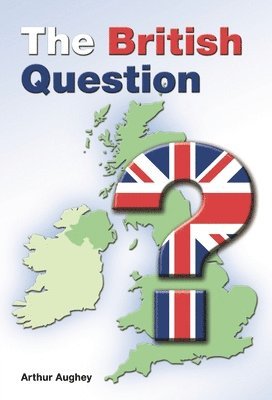

Mer från samma författare
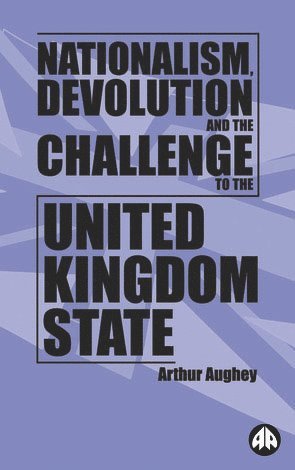
Nationalism, Devolution and the Challenge to the United Kingdom State
Arthur Aughey
Häftad, 2001
519 kr
Del 10