
Political Thought and the Origins of the American Presidency
Inbunden, Engelska, 2021
1 349 kr
Beställningsvara. Skickas inom 10-15 vardagar. Fri frakt för medlemmar vid köp för minst 249 kr.
This volume examines the political ideas behind the construction of the presidency in the U.S. Constitution, as well as how these ideas were implemented by the nation's early presidents. The framers of the Constitution disagreed about the scope of the new executive role they were creating, and this volume reveals the ways the duties and power of the office developed contrary to many expectations.Here, leading scholars of the Early Republic examine principles from European thought and culture that were key to establishing the conceptual language and institutional parameters for the American executive office. Unpacking the debates at the 1787 Constitutional Convention, these essays describe how the Constitution left room for the first presidents to set patterns of behavior and establish a range of duties to make the office functional within a governmental system of checks and balances. Contributors explore how these presidents understood their positions and fleshed out their full responsibilities according to the everyday operations required to succeed.As disputes continue to surround the limits of executive power today, this volume helps identify and explain the circumstances in which limits can be imposed on presidents who seem to dangerously exceed the constitutional parameters of their office. Political Thought and the Origins of the American Presidency demonstrates that this distinctive, time-tested role developed from a fraught, historically contingent, and contested process.
Produktinformation
- Utgivningsdatum2021-06-08
- Mått152 x 228 x 22 mm
- Vikt665 g
- FormatInbunden
- SpråkEngelska
- SerieAlan B. and Charna Larkin Series on the American Presidency
- Antal sidor342
- FörlagUniversity Press of Florida
- ISBN9780813066813
Tillhör följande kategorier
Hoppa över listan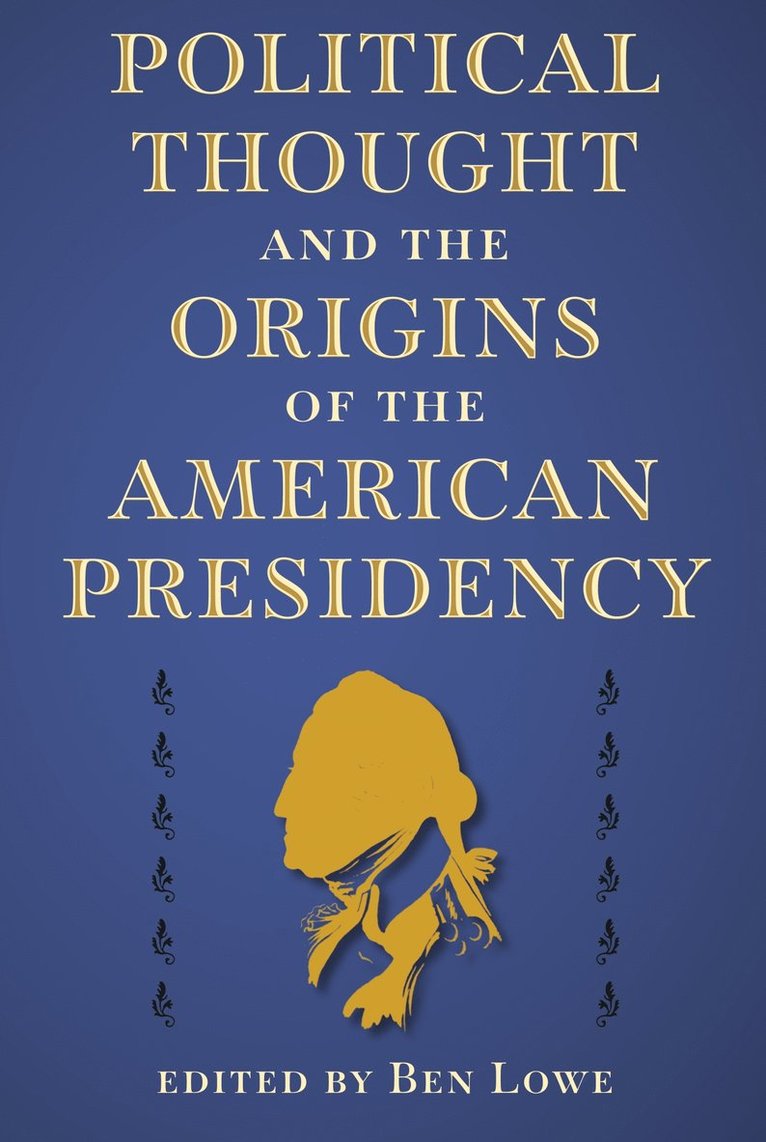





Du kanske också är intresserad av
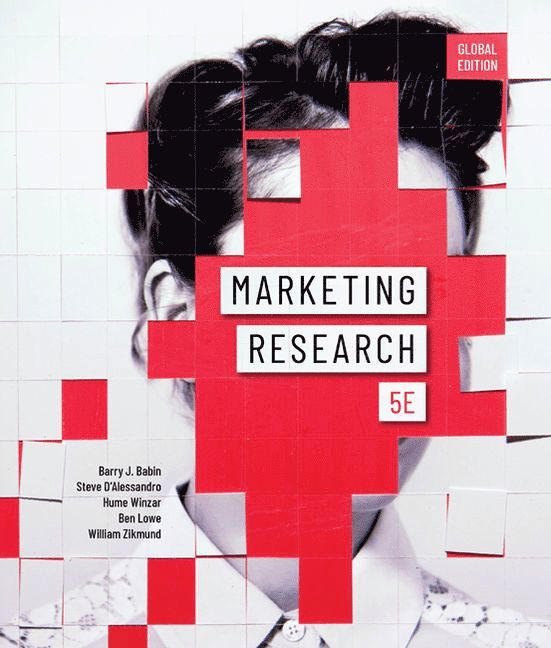
Marketing Research
Steve D'Alessandro, Hume Winzar, Ben Lowe, Barry Babin, William Zikmund
Häftad, 2020
1 389 kr