
Del i serien Rowman & Littlefield Publishers
Political Theory and Film
From Adorno to Žižek
Häftad, Engelska, 2018
729 kr
Beställningsvara. Skickas inom 10-15 vardagar. Fri frakt för medlemmar vid köp för minst 249 kr.
Finns i fler format (1)
The actions, images and stories within films can impact upon the political consciousness of viewers, enabling their audience to imagine ways of resisting the status quo, politically, economically and culturally. But what does political theory have to say about film? Should we explore film theory through a political lens? Why might individuals respond to the political within films?This book connects the work of eight radical political theorists to eight world-renowned films and shows how the political impact of film on the aesthetic self can lead to the possibility of political resistance. Each chapter considers the work of a core thinker on film, shows its relevance in terms of a specific case study film, then highlights how these films probe political issues in a way that invites viewers to think critically about them, both within the internal logic of the film and in how that might impact externally on the way they live their lives. Examining this dialogue enables Ian Fraser to demonstrate the possibility of a political impact of films on our own consciousness and identity, and that of others.
Produktinformation
- Utgivningsdatum2018-01-15
- Mått149 x 231 x 16 mm
- Vikt313 g
- FormatHäftad
- SpråkEngelska
- SerieRowman & Littlefield Publishers
- Antal sidor206
- FörlagBloomsbury Publishing PLC
- ISBN9781783481644
Tillhör följande kategorier
Hoppa över listan

Mer från samma serie
Research Methods in Criminal Justice and Criminology
Lee Ellis, Richard D. Hartley, Anthony Walsh
Häftad, 2010
1 259 kr
America's Urban Crisis and the Advent of Color-Blind Politics
Curtis L. Ivery, Joshua Bassett
Häftad, 2017
469 kr
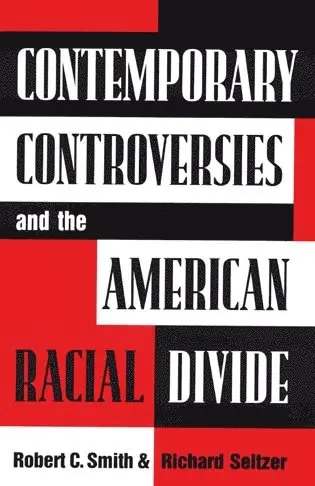
Contemporary Controversies and the American Racial Divide
Robert C. Smith, Richard Seltzer
Inbunden, 2000
2 359 kr