
Political Economy of News in China
Manufacturing Harmony
Inbunden, Engelska, 2014
1 689 kr
Beställningsvara. Skickas inom 10-15 vardagar. Fri frakt för medlemmar vid köp för minst 249 kr.
Finns i fler format (1)
The Political Economy of News in China: Manufacturing Harmony is the first full-scale application of Herman and Chomsky’s classic propaganda model to the news media content of a country with a system that is not outwardly similar to the United States. Jesse Owen Hearns-Branaman examines the news media of the People’s Republic of China using the five filters of the original model. He asks provocative questions concerning the nature of media ownership, the effect of government or private ownership on media content, the elite-centered nature news sourcing patterns, the benefits and costs of having active special interest groups to influence news coverage, the continued usefulness of the concepts of censorship and propaganda, the ability of advertisers to indirectly influence news production, and the potential increase of pro-capitalist, pro-consumerist ideology and nationalism in Chinese news media. This book will appeal to scholars of international media and journalism.
Produktinformation
- Utgivningsdatum2014-12-24
- Mått164 x 237 x 18 mm
- Vikt376 g
- FormatInbunden
- SpråkEngelska
- Antal sidor162
- FörlagBloomsbury Publishing Plc
- ISBN9780739182925
Tillhör följande kategorier
Hoppa över listan



Mer från samma författare
Media, Dissidence and the War in Ukraine
Tabe Bergman, Jesse Owen Hearns-Branaman
Inbunden, 2024
2 709 kr
Hoppa över listan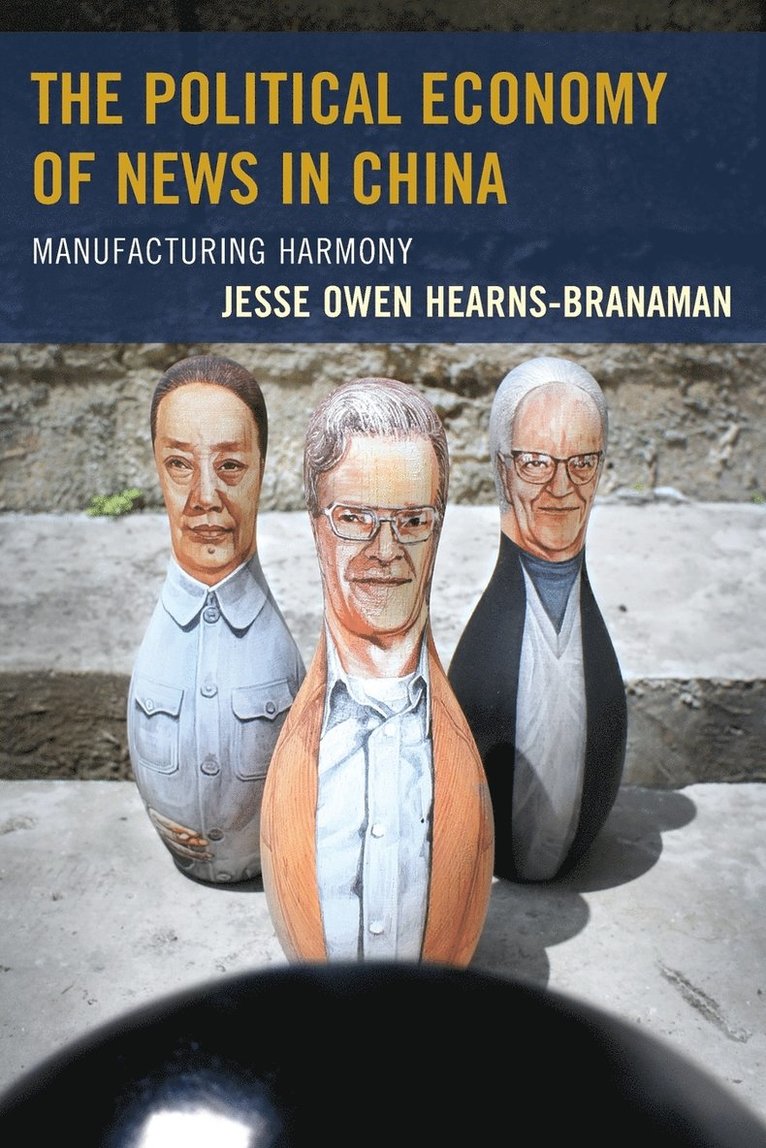

Du kanske också är intresserad av
Media, Dissidence and the War in Ukraine
Tabe Bergman, Jesse Owen Hearns-Branaman
Inbunden, 2024
2 709 kr
- Nyhet
Del 3