
Political Economy of Hungarian Authoritarian Populism
Capitalists without the Right Kind of Capital
Inbunden, Engelska, 2024
3 309 kr
Beställningsvara. Skickas inom 10-15 vardagar. Fri frakt för medlemmar vid köp för minst 249 kr.
Finns i fler format (1)
This book emphasises the importance of state-business relations and external capital for structuring and strengthening authoritarian populism in Hungary. It argues these capitalist relations are crucial to understanding the economic aspects of this ideology, which has developed in the country since 2010. The book investigates both ‘internal’ and ‘external’ legs of the Hungarian political economy. First how a politically loyal national capital owning class has subsumed domestic business. Second the government’s operationalisation of ‘new’ inward transnational capital inflows – especially from China and Russia – to finance large-scale infrastructure projects, which complement extant investment particularly from Germany. Together, these developments have strengthened the hegemonic nature of Hungarian Authoritarian Populism, helping the government to continued electoral success. This model of governance is attractive to similar ideological expressions in the region and beyond who look for an example to emulate.The Open Access version of this book, available at http://www.taylorfrancis.com, has been made available under a Creative Commons [Attribution-Non Commercial-No Derivatives (CC BY-NC-ND)] 4.0 license.
Produktinformation
- Utgivningsdatum2024-08-30
- Mått156 x 234 x 16 mm
- Vikt460 g
- FormatInbunden
- SpråkEngelska
- SerieBASEES/Routledge Series on Russian and East European Studies
- Antal sidor196
- FörlagTaylor & Francis Ltd
- ISBN9780367752705
Tillhör följande kategorier
Hoppa över listan









Mer från samma författare
Poetical Works of Rogers, Campbell, J. Montgomery, Lamb, and Kirke White
Henry Kirke White, Samuel Rogers, James Montgomery
Inbunden, 2023
689 kr
Hoppa över listan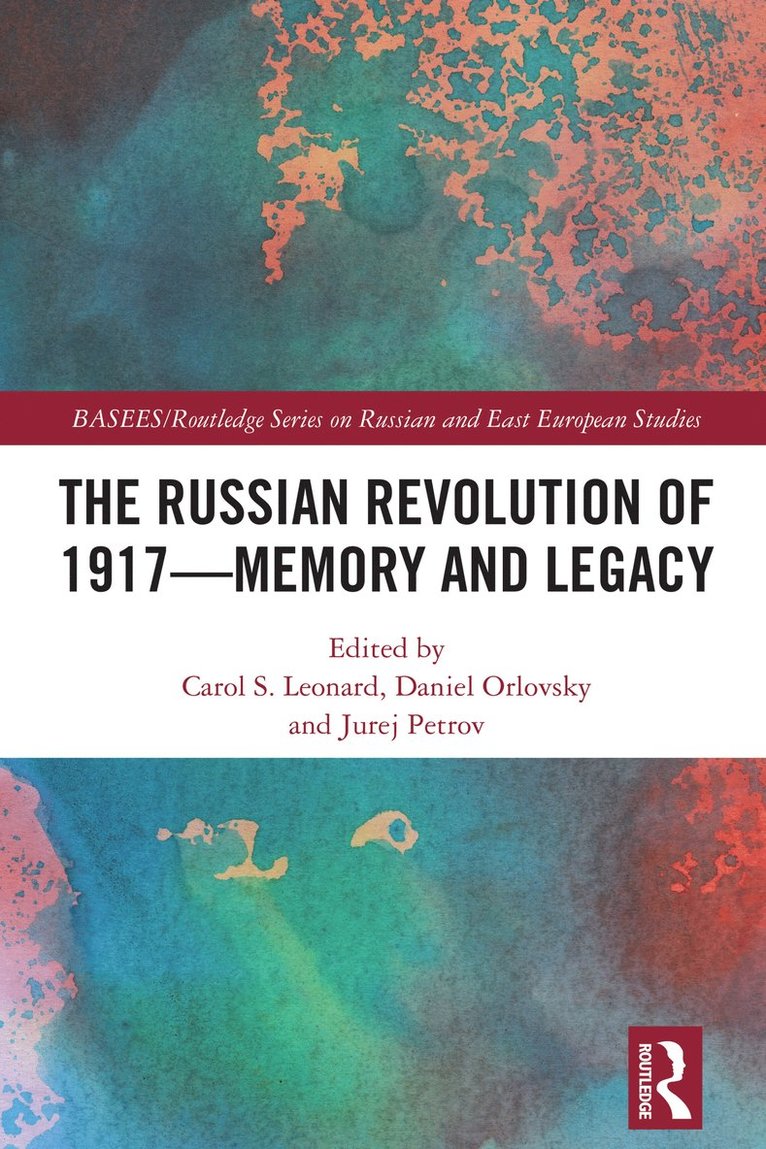



Mer från samma serie
Russian Revolution of 1917 - Memory and Legacy
Carol S. Leonard, Daniel Orlovsky, Jurej Petrov
Inbunden, 2024
2 809 kr
Siberian Exile and the Invention of Revolutionary Russia, 1825–1917
Ben Phillips
Inbunden, 2021
3 309 kr
Hoppa över listan









Du kanske också är intresserad av
- Nyhet
Del 3
- Nyhet
Del 11
- Nyhet
- Nyhet
Del 1
- Nyhet
Del 4
- Nyhet
Del 4
- Nyhet
Del 6
Del 3