
Policing the Streets of Los Angeles
- Nyhet
Controversies, Change, and Continuity
Häftad, Engelska, 2026
489 kr
Beställningsvara. Skickas inom 10-15 vardagar. Fri frakt för medlemmar vid köp för minst 249 kr.
Finns i fler format (1)
This book takes an in-depth look at the LAPD over a 60-year period, exploring the ways in which the use of force, particularly deadly force, has been controlled (or not) by internal and external forces.The Department has been at the center of numerous controversies, including the killing of Eula Love (1977), the beating of Rodney King (1991), the riots that followed the acquittal of officers in the King beating (1992), the Rampart scandal (1999), questionable officer-involved shootings (OISs), and the complaints of over-policing during the George Floyd protests (2020). At the same time, however, the Department has been at the forefront of change and innovation. It continuously revises its policies regarding use of force, implements new training curricula, and has developed an extensive accountability process. Some of these changes have occurred voluntarily, others have been imposed or mandated upon them. Yet, despite these changes, the LAPD and its officers continue to be embroiled in issues regarding controversial shootings, charges of racial bias, and questionable tactics during social justice protests. The book is grounded in data, analysis, historical documents, and personal observations by the author. It provides details about each of the controversies and solutions that occurred, and, most significantly, it includes recommendations about how to make these positive changes permanent.
Produktinformation
- Utgivningsdatum2026-08-20
- Mått148 x 228 x 14 mm
- Vikt320 g
- FormatHäftad
- SpråkEngelska
- SeriePolicing Perspectives and Challenges in the Twenty-First Century
- Antal sidor234
- FörlagBloomsbury Publishing Plc
- MedarbetareCharlie Beck
- ISBN9781666976458
Tillhör följande kategorier
Hoppa över listan
Mer från samma författare
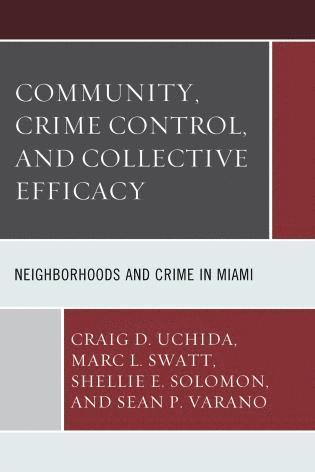
Community, Crime Control, and Collective Efficacy
Craig D. Uchida, Marc L. Swatt, Shellie E. Solomon, Sean P. Varano
Inbunden, 2015
1 639 kr
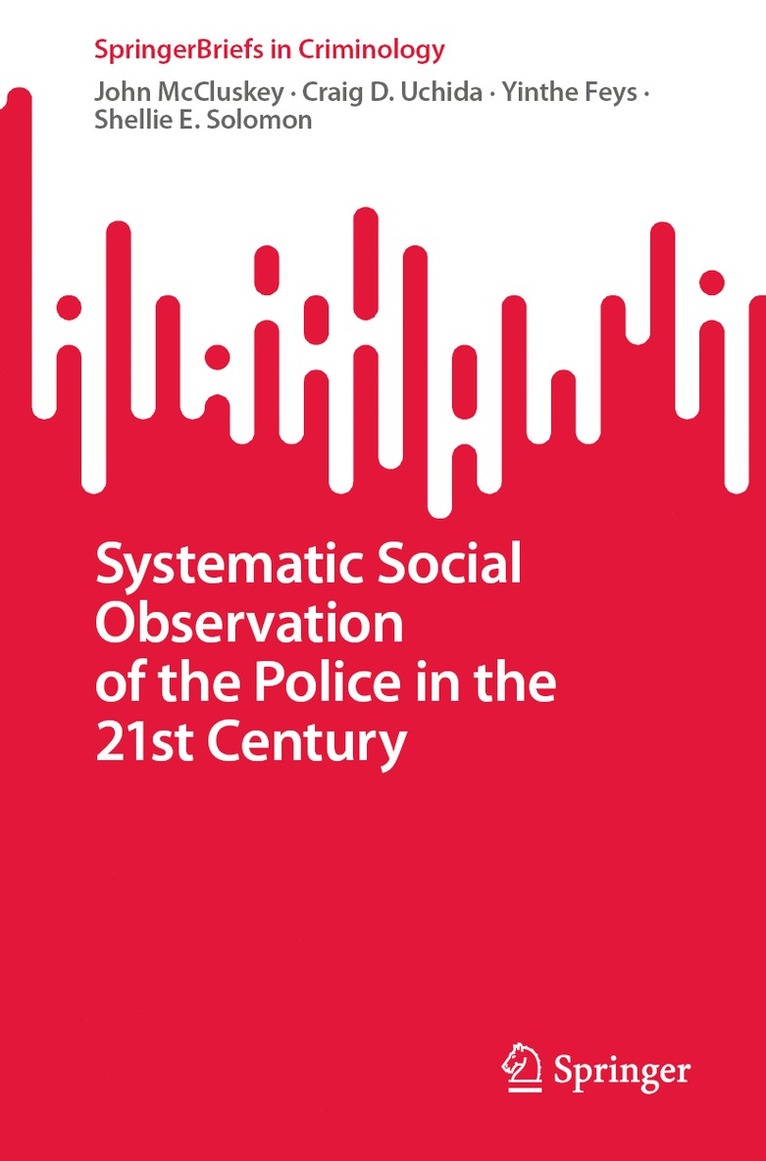
Systematic Social Observation of the Police in the 21st Century
John McCluskey, Craig D. Uchida, Yinthe Feys, Shellie E. Solomon
Häftad, 2023
799 kr
Hoppa över listan








Mer från samma serie
Police Use of Excessive Force against African Americans
Ray Von Robertson, Cassandra D. Chaney
Inbunden, 2019
1 549 kr
Police Use of Excessive Force against African Americans
Ray Von Robertson, Cassandra D. Chaney
Häftad, 2021
659 kr
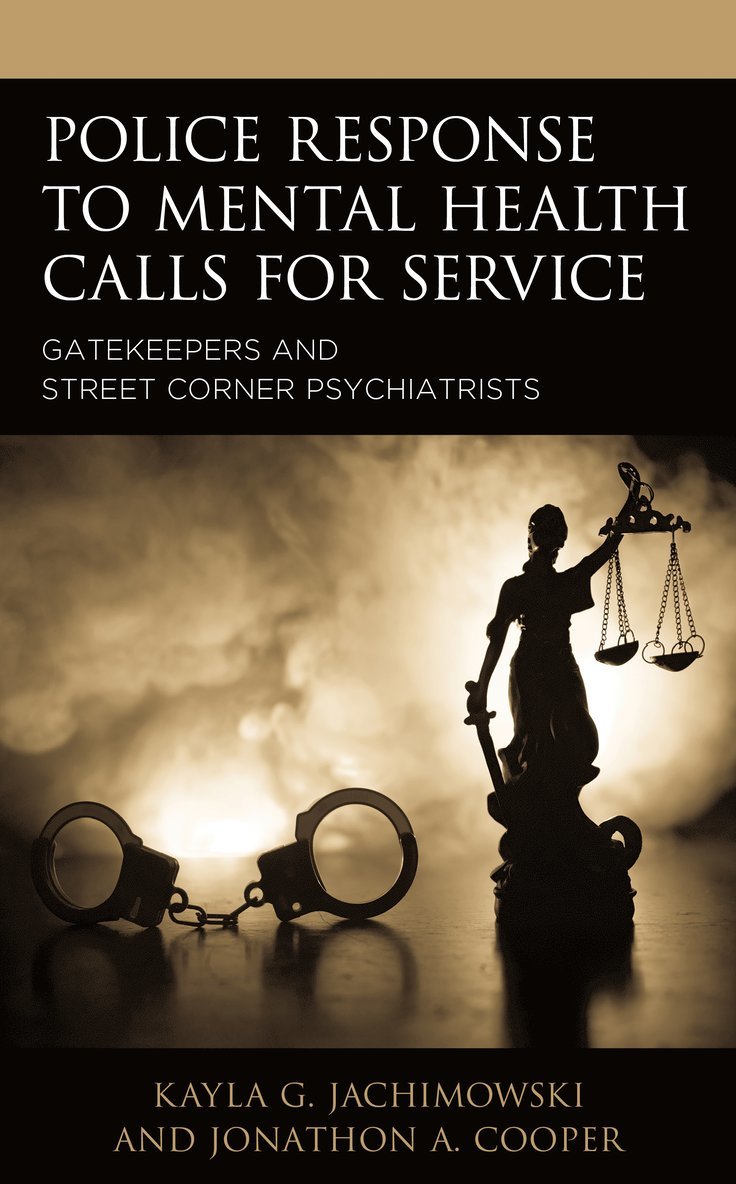
Police Response to Mental Health Calls for Service
Kayla G. Jachimowski, Jonathon A. Cooper
Häftad, 2022
659 kr
Hoppa över listan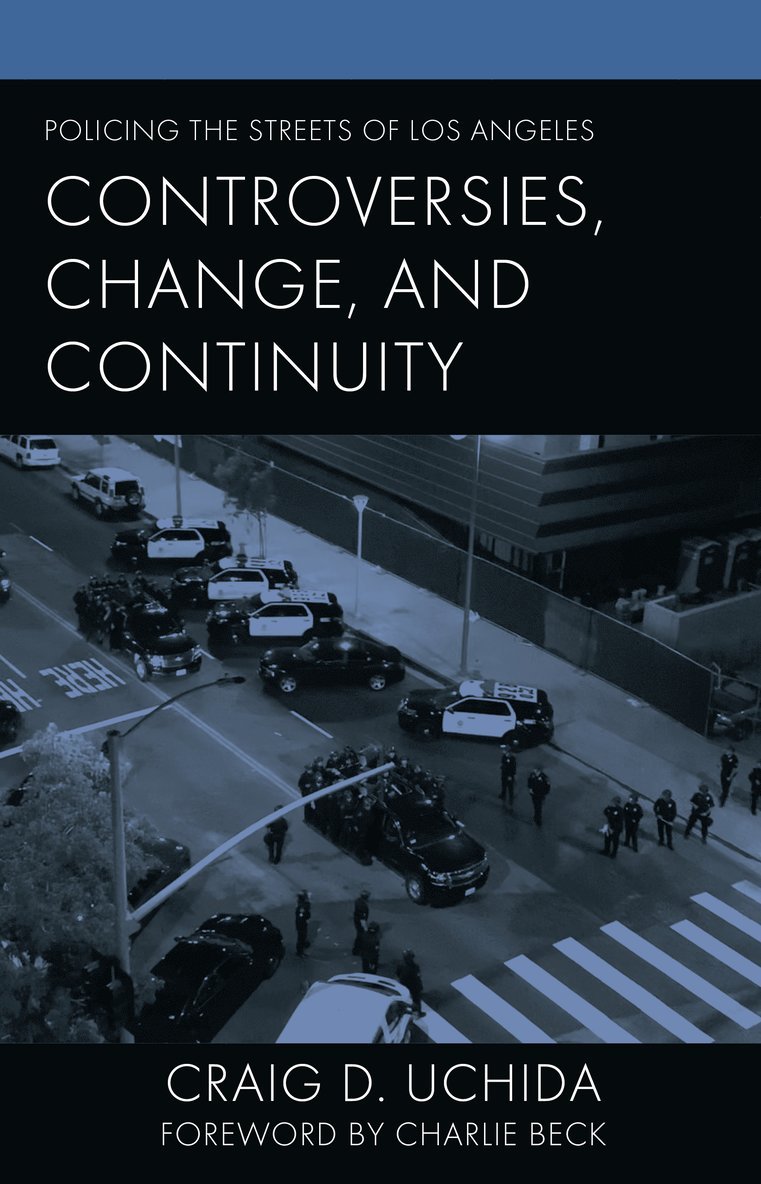


Du kanske också är intresserad av
Community, Crime Control, and Collective Efficacy
Craig D. Uchida, Marc L. Swatt, Shellie E. Solomon, Sean P. Varano
Inbunden, 2015
1 639 kr
Systematic Social Observation of the Police in the 21st Century
John McCluskey, Craig D. Uchida, Yinthe Feys, Shellie E. Solomon
Häftad, 2023
799 kr