
Plot and Character in the Iliad
- Nyhet
Reading the Hero's Mind
Inbunden, Engelska, 2026
2 419 kr
Beställningsvara. Skickas inom 5-8 vardagar. Fri frakt för medlemmar vid köp för minst 249 kr.
Finns i fler format (1)
In this book, Luigi Battezzato argues that Homer's poem is a tightly woven narrative of motives, misreadings, and reversals. Bringing cognitive 'mind-reading' into dialogue with ancient scholia and close attention to the text, he shows how Achilles, Hector, and Zeus pursue honour and care - yet, through failures of communication, achieve the opposite. The book reframes Zeus's 'plan', the Embassy to Achilles, and Hector's fatal choices as examples of Aristotelian peripeteia, or reversal, grounded in human (and divine) fallibility rather than simple fate. Two chapters examine anger and gender, tracing how the poem stages women's constrained speech and how ancient critics policed it, while one of the appendices dismantles the modern myth of a Homeric 'heroic code'. Clear, compact, and argumentative, the book offers students, scholars, and curious readers a new way to follow the plot and to hear Homer's characters think. In order to ensure a wide readership, all Greek texts have been translated.
Produktinformation
- Utgivningsdatum2026-08-20
- Mått152 x 229 x 16 mm
- Vikt529 g
- FormatInbunden
- SpråkEngelska
- Antal sidor256
- FörlagCambridge University Press
- ISBN9781108838771
Tillhör följande kategorier
Hoppa över listan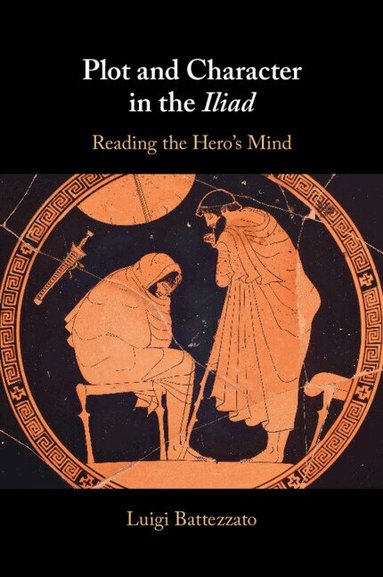







Du kanske också är intresserad av
- Nyhet
- Nyhet
Del 7
- Nyhet
Del 11
- Nyhet
- Nyhet
Del 4
- Nyhet
Del 6
- Nyhet
Del 3
- Nyhet