
Del i serien Cambridge Critical Guides
Plato's 'Laws'
A Critical Guide
Inbunden, Engelska, 2010
2 129 kr
Beställningsvara. Skickas inom 5-8 vardagar. Fri frakt för medlemmar vid köp för minst 249 kr.
Finns i fler format (2)
Long understudied, Plato's Laws has been the object of renewed attention in the past decade and is now considered to be his major work of political philosophy besides the Republic. In his last dialogue, Plato returns to the project of describing the foundation of a just city and sketches in considerable detail its constitution, laws and other social institutions. Written by leading Platonists, the essays in this volume cover a wide range of topics central for understanding the Laws, such as the aim of the Laws as a whole, the ethical psychology of the Laws, especially its views of pleasure and non-rational motivations, and whether and, if so, how the strict law code of the Laws can encourage genuine virtue. They make an important contribution to ongoing debates and will open up fresh lines of inquiry for further research.
Produktinformation
- Utgivningsdatum2010-11-11
- Mått158 x 234 x 18 mm
- Vikt540 g
- FormatInbunden
- SpråkEngelska
- SerieCambridge Critical Guides
- Antal sidor254
- FörlagCambridge University Press
- ISBN9780521884631
Tillhör följande kategorier
Hoppa över listan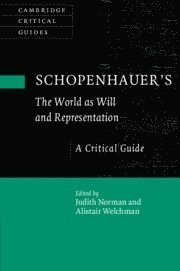
Mer från samma serie
Schopenhauer's 'The World as Will and Representation'
Judith Norman, Alistair Welchman
Häftad, 2024
579 kr
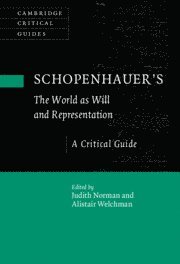
Schopenhauer's 'The World as Will and Representation'
Judith Norman, Alistair Welchman
Inbunden, 2022
1 719 kr