
Perspectives on East and Southeast Asian Folktales
Inbunden, Engelska, 2022
1 779 kr
Beställningsvara. Skickas inom 10-15 vardagar. Fri frakt för medlemmar vid köp för minst 249 kr.
Perspectives on East and Southeast Asian Folktales is a multidisciplinary examination of folktales that are unfamiliar to Western audiences. Examining folktales from countries like Vietnam, Laos, Cambodia, Burma, China, Japan, and Korea, the contributors consider various aspects: including identity issues, morals, collectivism, violence, scatological references, language socialization, representation of Buddhist values, emotional competence, as well as folktales' relationship to idioms and narrative structure. Highlighting differences and similarities between East and Southeast Asian and Western folktales, this volume promotes memorable understanding of East and Southeast Asian cultures and their oral traditions.
Produktinformation
- Utgivningsdatum2022-08-23
- Mått158 x 236 x 21 mm
- Vikt458 g
- FormatInbunden
- SpråkEngelska
- SerieStudies in Folklore and Ethnology: Traditions, Practices, and Identities
- Antal sidor200
- FörlagBloomsbury Publishing Plc
- ISBN9781666912883
Tillhör följande kategorier
Hoppa över listan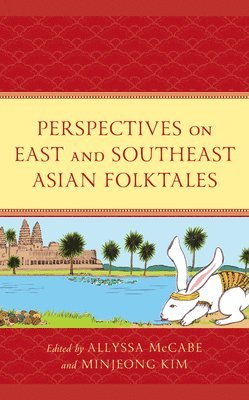





Du kanske också är intresserad av
- Nyhet
Spanish-Language Narration and Literacy
Allyssa McCabe, Alison L. Bailey, Gigliana Melzi
Häftad, 2008
699 kr