
People's Spaces
Coping, Familiarizing, Creating
Häftad, Engelska, 2015
1 159 kr
Beställningsvara. Skickas inom 10-15 vardagar. Fri frakt för medlemmar vid köp för minst 249 kr.
Finns i fler format (1)
Who controls space? Powerful corporations, institutions, and individuals have great power to create physical and political space through income and influence. People’s Spaces attempts to understand the struggle between people and institutions in the spaces they make. Current literature on cities and planning often looks at popular resistance to institutional authority through open, mass-movement protest. These views overlook the fact that subaltern classes are not often afforded the luxury of open, organized political protest. People’s Spaces investigates individual’s diverse approaches in reconciling the difference between their spatial needs and spatial availability. Through case studies in Southeast Asia, India, Nepal, and Central Asia, the book explores how people accommodate their spatial needs for everyday activities and cultural practices within a larger abstract spatial context produced by the power-holders.
Produktinformation
- Utgivningsdatum2015-11-11
- Mått156 x 234 x 22 mm
- Vikt480 g
- FormatHäftad
- SpråkEngelska
- Antal sidor260
- FörlagTaylor & Francis Ltd
- ISBN9780415720298
Tillhör följande kategorier
Hoppa över listan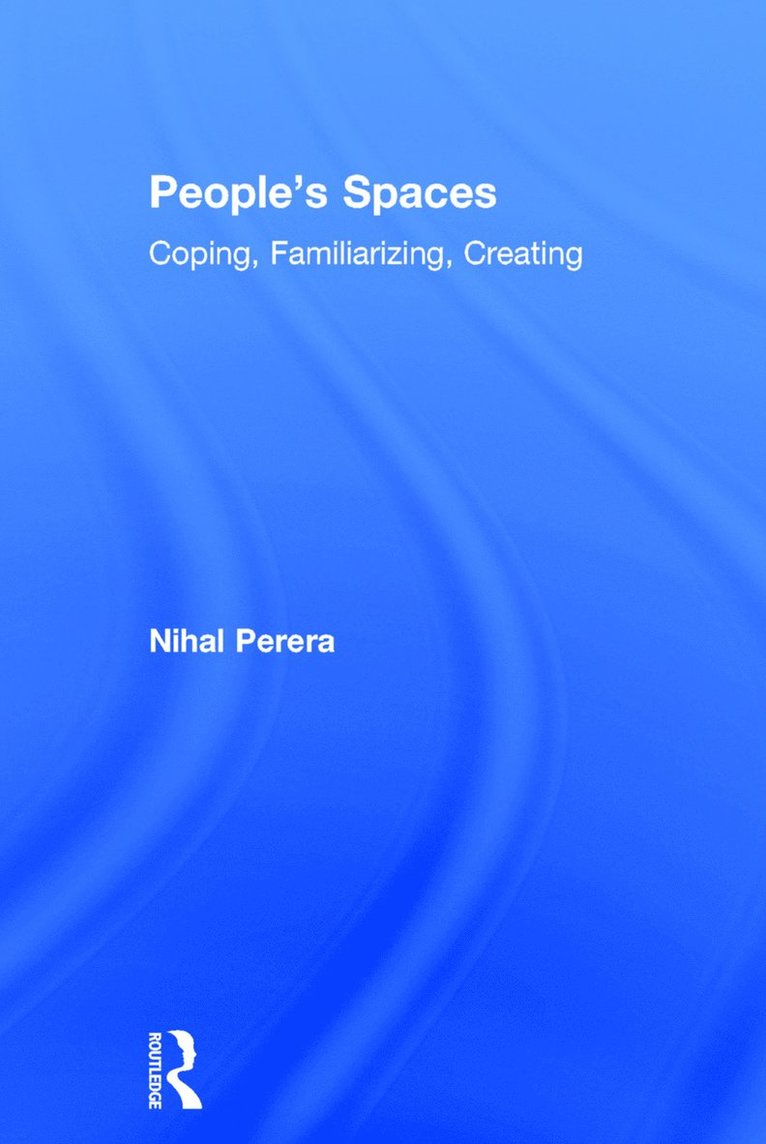









Du kanske också är intresserad av
- Nyhet
Del 3
- Nyhet
Del 11
- Nyhet
Del 6
- Nyhet
Del 4
Del 3
Del 1
Del 2