
Del i serien Anniversary Collection
Pennsylvania Constitution of 1776
A Study in Revolutionary Democracy
Inbunden, Engelska, 1936
1 429 kr
Beställningsvara. Skickas inom 10-15 vardagar. Fri frakt för medlemmar vid köp för minst 249 kr.
Provides an account of the rebellion of the unprotected frontiersmen and the unfranchised artisans, who constituted two-thirds of the population in Pennsylvania, against the Quaker property owners in their attempt to achieve a voice in the government and establish a liberal constitution in 1776.
Produktinformation
- Utgivningsdatum1936-01-29
- Mått152 x 229 x 21 mm
- Vikt593 g
- FormatInbunden
- SpråkEngelska
- SerieAnniversary Collection
- Antal sidor296
- FörlagUniversity of Pennsylvania Press
- ISBN9781512806366
Tillhör följande kategorier
Hoppa över listan

Mer från samma serie
Economic Report on the Philadelphia Metropolitan Area, 1985
Anita A. Summers, Thomas F. Luce
Häftad, 1987
429 kr
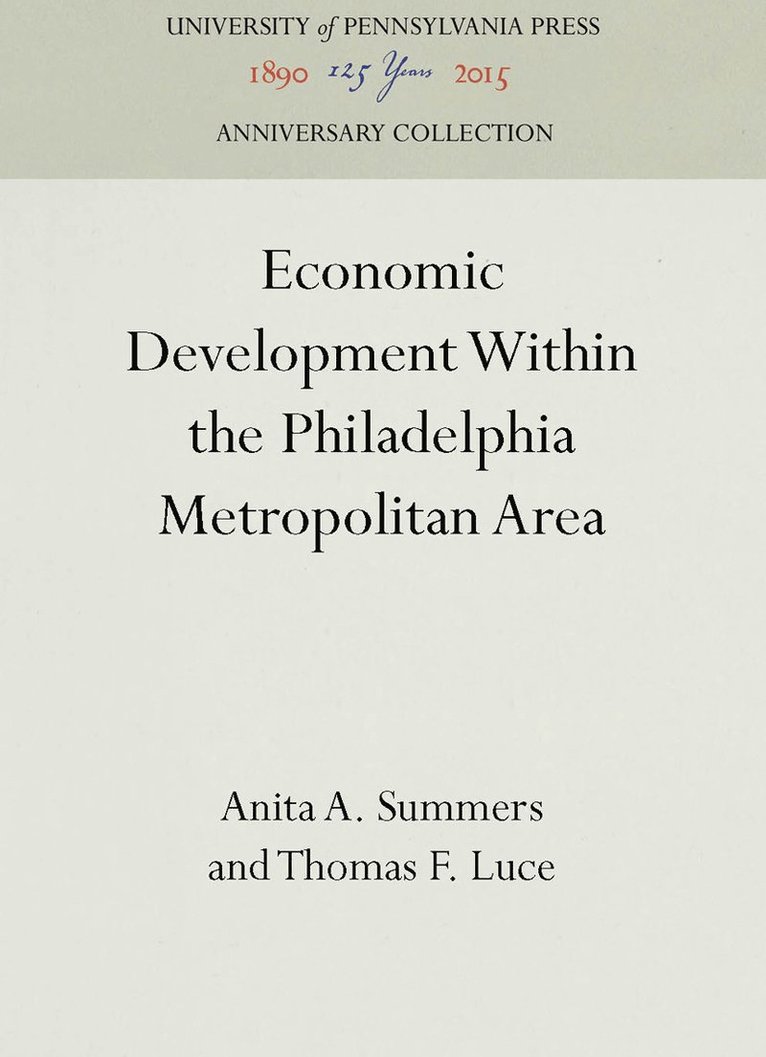
Economic Development Within the Philadelphia Metropolitan Area
Anita A. Summers, Thomas F. Luce
Inbunden, 1986
1 239 kr