
Del i serien Society for New Testament Studies Monograph Series
Paul's Letter Openings
An Analysis of High-register Language
Inbunden, Engelska, 2026
1 859 kr
Kommande
Interest in the relationship between Paul's letter openings and Koine Greek letter-writing conventions has been steady for over a century, but little new data has emerged in recent years. In this study, Gillian Asquith offers a fresh perspective on Paul's epistolary practice by adopting a multidisciplinary method that synthesises sociolinguistics and lexicography. Comparing the language of Paul's letter openings with the register of language in documentary papyri, she demonstrates that high-register language in Koine Greek epistolary formulae contributes to warm and friendly relations between correspondents. Asquith argues that Paul creatively modifies epistolary norms by using unexpected, high-register language in the remembrance motif and litotic disclosure formula. Such usage, she posits, emphatically reassures Paul's recipients of his pastoral concern for them and heightens the persuasive force of his letters. Asquith's nuanced analysis contributes valuable new data to long-running debates around Paul's practice of prayer and the structure of his letters.
Produktinformation
- Utgivningsdatum2026-09-30
- Mått152 x 229 x 13 mm
- Vikt500 g
- FormatInbunden
- SpråkEngelska
- SerieSociety for New Testament Studies Monograph Series
- Antal sidor250
- FörlagCambridge University Press
- ISBN9781009674188
Tillhör följande kategorier
Hoppa över listan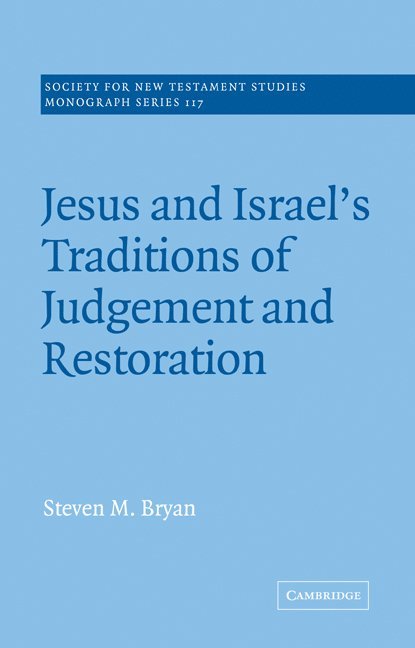
Mer från samma serie
Del 117
Jesus and Israel's Traditions of Judgement and Restoration
Steven M. Bryan, John Court
Häftad, 2005
729 kr
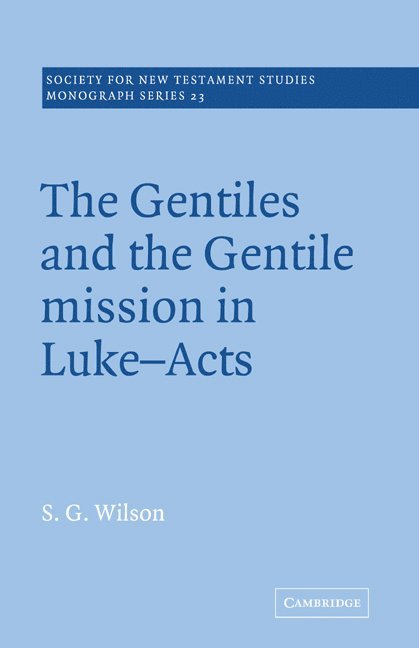
Del 23
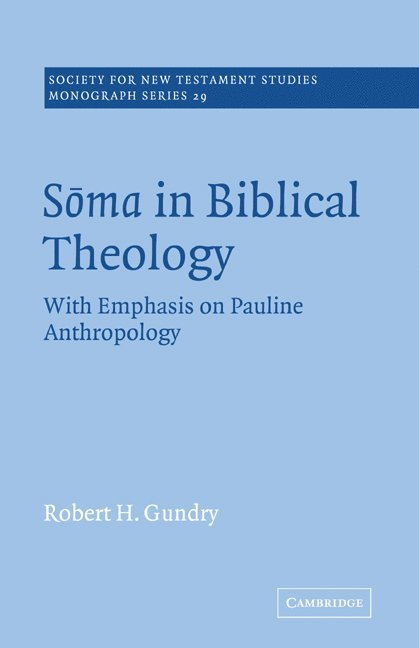
Del 29
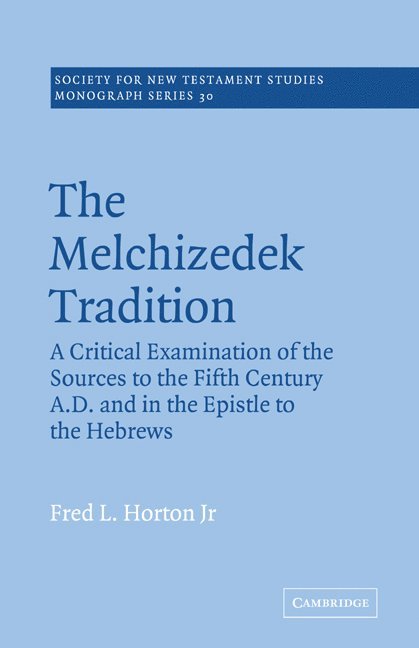
Del 30
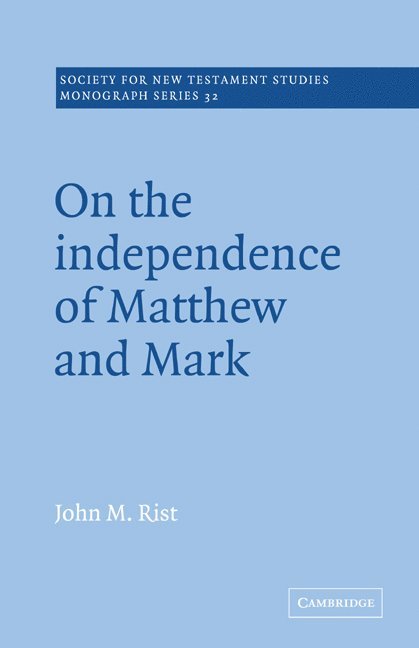
Del 32
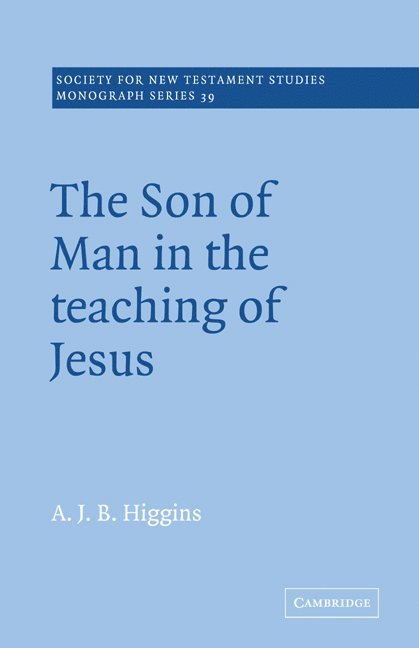
Del 39
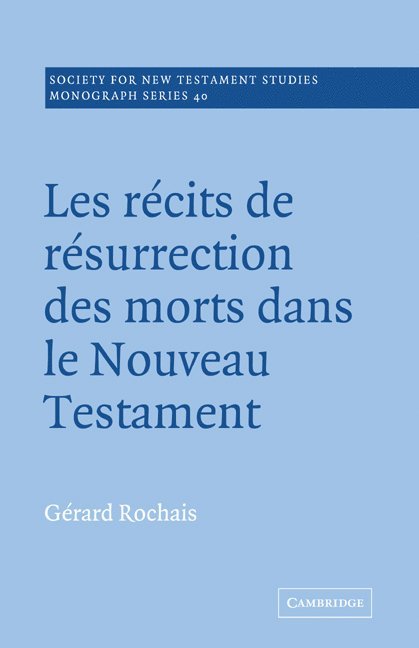
Del 40
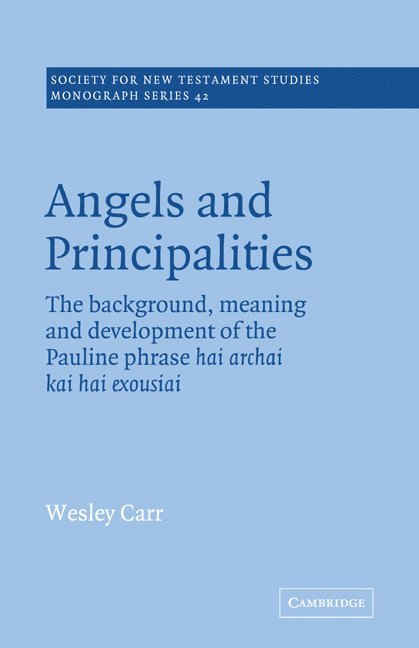
Del 42
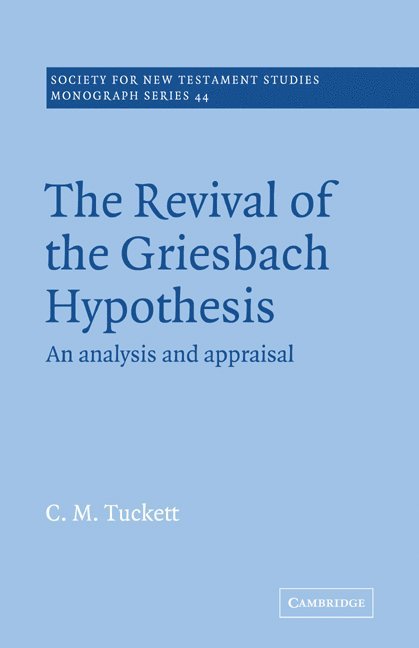
Del 44
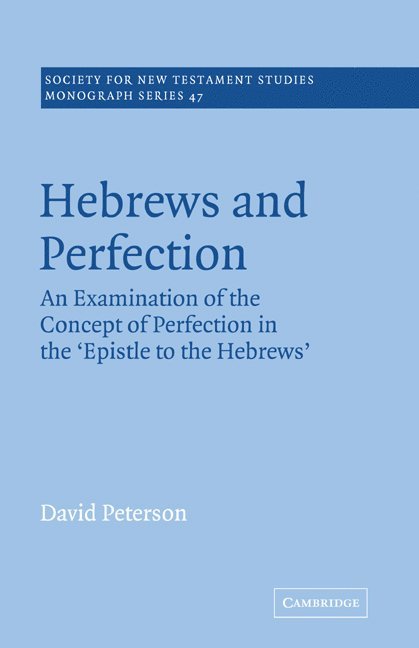
Del 47
Hoppa över listan








Du kanske också är intresserad av
- Nyhet
Del 3
- Nyhet
Del 11
- Nyhet
Del 1
- Nyhet
Del 4
- Nyhet
Del 4
- Nyhet
Del 6
Del 2