
Passion, Humiliation, Revenge
Hatred in Man-Woman Relationships in the 19th and 20th Century Russian Novel
Inbunden, Engelska, 2008
1 979 kr
Beställningsvara. Skickas inom 10-15 vardagar. Fri frakt för medlemmar vid köp för minst 249 kr.
This book reveals the phenomenon in Russian prose in which a male protagonist finds himself perpetuating a cycle of passion, humiliation, and revenge within his relationships with women. By examining the mental and emotional state of the male protagonist who finds himself in a sexual situation, Rina Lapidus explores how his passion for a woman leads the man into an encounter that causes him humiliation and ends up eliciting a powerful desire on his part to punish the woman who initially arouses his erotic feeling. The male protagonist directs his fury at the woman, seeking vengeance because of the shame he has suffered. Lapidus shows how the man sees himself as a highly spiritual being and finds it difficult to comes to terms with his sexual nature. The author argues that this denial of desire leads the man to take out his frustration with himself on the woman, projecting all of his faults and guilt onto her. When the woman brings the male protagonist low, his thirst for revenge becomes a powerful driving force in his life that eventually brings about his downfall. This book will be of interest to those studying in the areas of Russian literature, psychology, and gender studies.
Produktinformation
- Utgivningsdatum2008-09-05
- Mått160 x 241 x 18 mm
- Vikt408 g
- FormatInbunden
- SpråkEngelska
- Antal sidor182
- FörlagBloomsbury Publishing Plc
- ISBN9780739127476
Tillhör följande kategorier
Hoppa över listan
Mer från samma författare
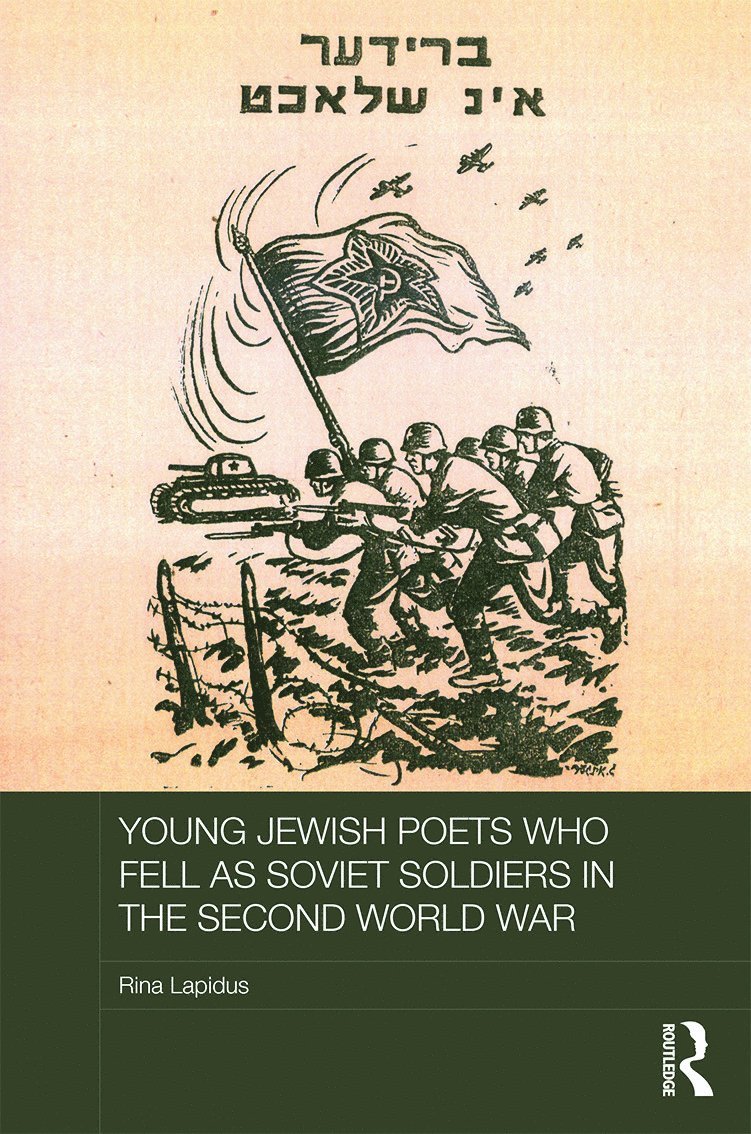
Young Jewish Poets Who Fell as Soviet Soldiers in the Second World War
Rina Lapidus
Inbunden, 2014
3 689 kr
Young Jewish Poets Who Fell as Soviet Soldiers in the Second World War
Rina Lapidus
Häftad, 2017
1 079 kr
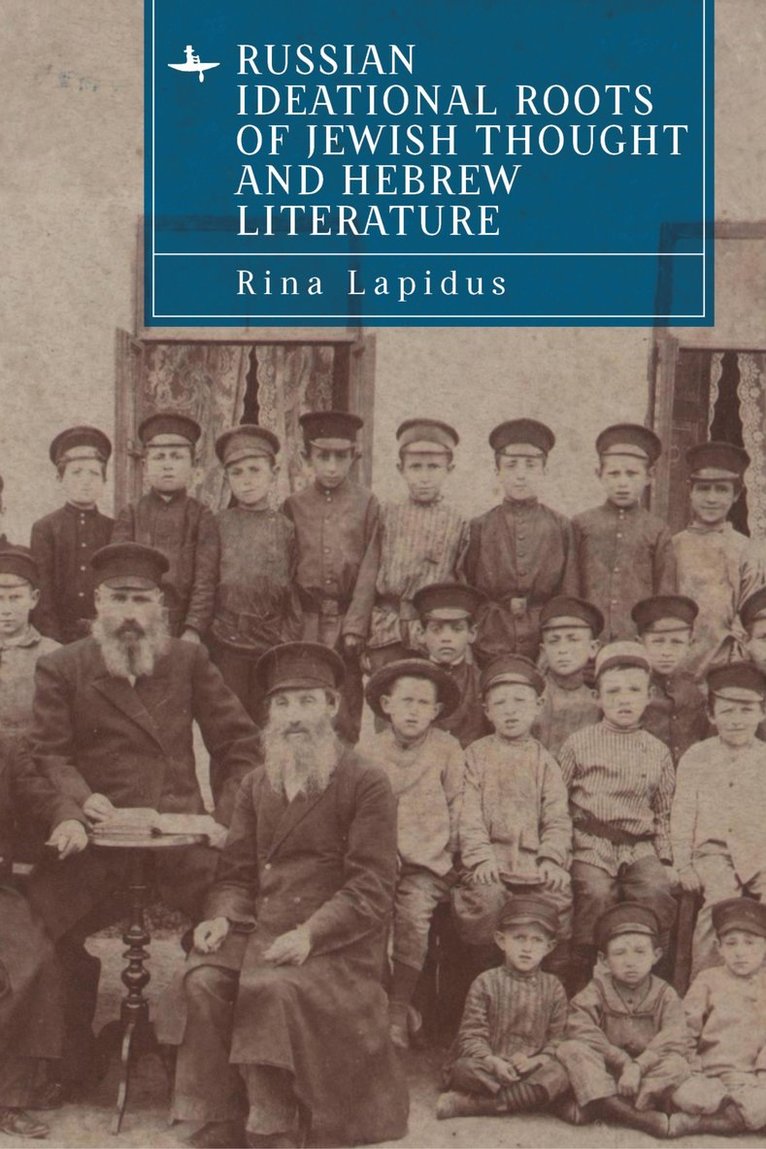
Russian Ideational Roots of Jewish Thought and Hebrew Literature (Russian Language)
Rina Lapidus
Inbunden, 2025
489 kr
Hoppa över listan

Du kanske också är intresserad av
Young Jewish Poets Who Fell as Soviet Soldiers in the Second World War
Rina Lapidus
Inbunden, 2014
3 689 kr
Russian Ideational Roots of Jewish Thought and Hebrew Literature (Russian Language)
Rina Lapidus
Inbunden, 2025
489 kr
Young Jewish Poets Who Fell as Soviet Soldiers in the Second World War
Rina Lapidus
Häftad, 2017
1 079 kr
- Nyhet
Del 3
- Nyhet
Del 11
Del 1
- Nyhet
Del 4