
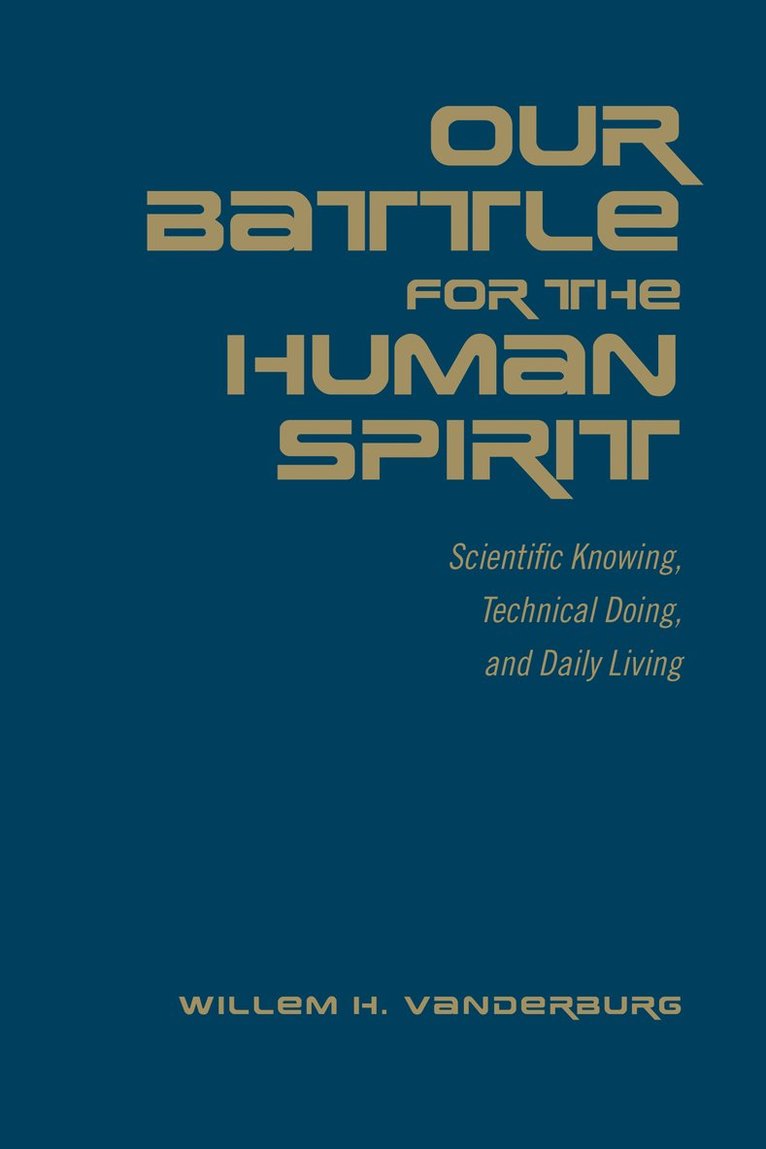
Our War on Ourselves
Rethinking Science, Technology, and Economic Growth
Häftad, Engelska, 2011
629 kr
Beställningsvara. Skickas inom 5-8 vardagar. Fri frakt för medlemmar vid köp för minst 249 kr.
Finns i fler format (1)
Our approach to knowing and doing is based on delegating physical phenomena to physicists, biological phenomena to biologists, social phenomena to sociologists, economic phenomena to economists, and so on. This approach to knowledge and practice works very well when one category of phenomena dominates (as in mechanical and technical systems), but does not work when many categories of phenomena make significant contributions (as in the biological and cultural spheres). As a result, our civilization succeeds in its scientific and technical endeavours yet fails in dealing with communities and ecosystems.Following his groundbreaking Labyrinth of Technology and Living in the Labyrinth of Technology, Willem H. Vanderburg's Our War on Ourselves explores the type of war we have unleashed on our lives by emphasizing discipline-based processes. The work also illuminates how we can achieve a more balanced, livable, and sustainable future by combining technical and cultural perspectives in our educational and institutional settings.
Produktinformation
- Utgivningsdatum2011-11-12
- Mått152 x 229 x 25 mm
- Vikt600 g
- FormatHäftad
- SpråkEngelska
- Antal sidor400
- FörlagUniversity of Toronto Press
- ISBN9781442612617
Tillhör följande kategorier
Hoppa över listan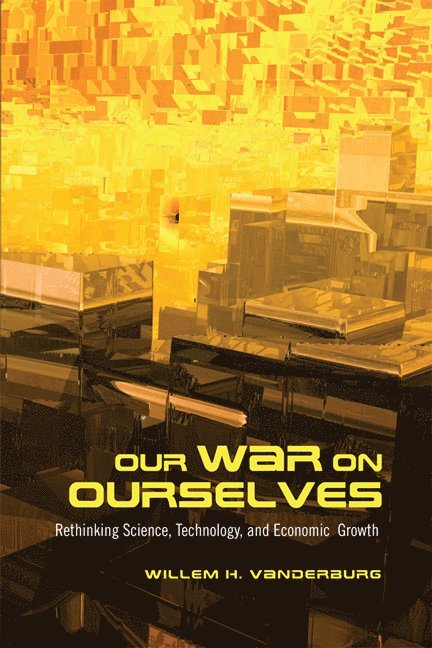




Du kanske också är intresserad av
Rescuing Humanity: Transcending the Limits of Mathematics, Science, and Technology
Willem H. Vanderburg
Inbunden, 2023
1 129 kr