
Origins of Worker Mobilisation
Australia 1788-1850
Häftad, Engelska, 2019
909 kr
Beställningsvara. Skickas inom 10-15 vardagar. Fri frakt för medlemmar vid köp för minst 249 kr.
Finns i fler format (1)
This is a book on how and why workers come together. Almost coincident with its inception, worker organisation is a central and enduring element of capitalism. In the 19th and 20th centuries’ mobilisation by workers played a substantial role in reshaping critical elements of these societies in Europe, North America, Australasia and elsewhere including the introduction of minimum labour standards (living wage rates, maximum hours etc), workplace safety and compensation laws and the rise of welfare state more generally. Notwithstanding setbacks in recent decades, worker organisation represents a pivotal countervailing force to moderate the excesses of capitalism and is likely to become even more influential as the social consequences of rising global inequality become more manifest. Indeed, instability and periodic shifts in the respective influence of capital and labour are endemic to capitalism. As formal institutions have declined in some countries or unions outlawed and severely repressed in others, there has been growing recognition of informal strike activity by workers and wider alliances between unions and community organisations in others. While such developments are seen as new they aren’t. Indeed, understanding of worker organisation is often ahistorical and even those understandings informed by historical research are, this book will argue, in need of revision.This book provides a new perspective on and new insights into how and why workers organise, and what shapes this organisation. The Origins of Worker Mobilisation will be key reading for scholars, academics and policy makers the fields of industrial relations, HRM, labour economics, labour history and related disciplines.
Produktinformation
- Utgivningsdatum2019-12-05
- Mått152 x 229 x 18 mm
- Vikt453 g
- FormatHäftad
- SpråkEngelska
- SerieRoutledge Studies in Employment and Work Relations in Context
- Antal sidor308
- FörlagTaylor & Francis Ltd
- ISBN9780367890469
Tillhör följande kategorier
Hoppa över listan




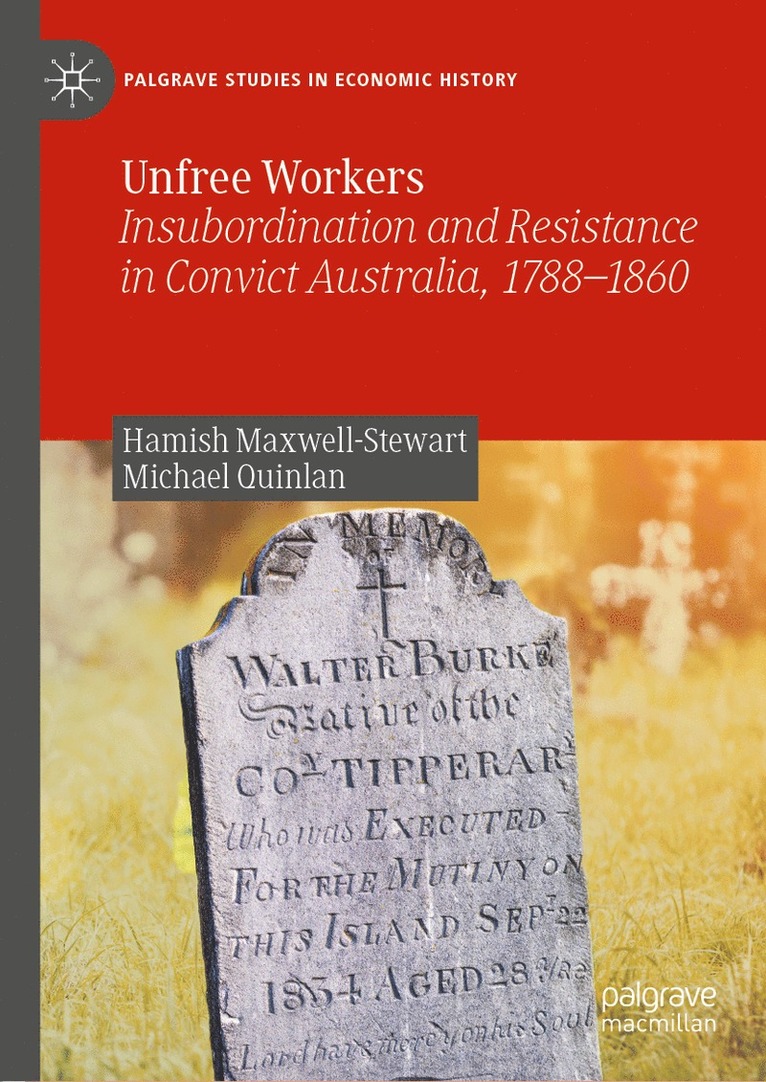
Mer från samma författare
Regulating Workplace Risks
David Walters, Richard Johnstone, Kaj Frick, Michael Quinlan, Geneviève Baril-Gingras, Annie Thébaud-Mony
Inbunden, 2011
3 169 kr
Inclusion, Exclusion and Religious Freedom in Contemporary Australia
Michael Quinlan, Keith Thompson
Häftad, 2021
419 kr
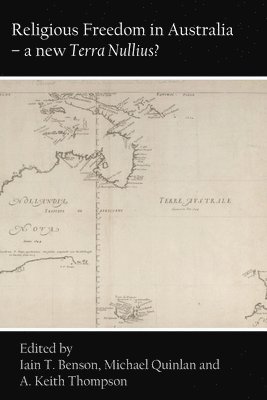
Religious Freedom in Australia - a new Terra Nullius?
Iain T Benson, Michael Quinlan, A Keith Thompson
Häftad, 2019
429 kr
Hoppa över listan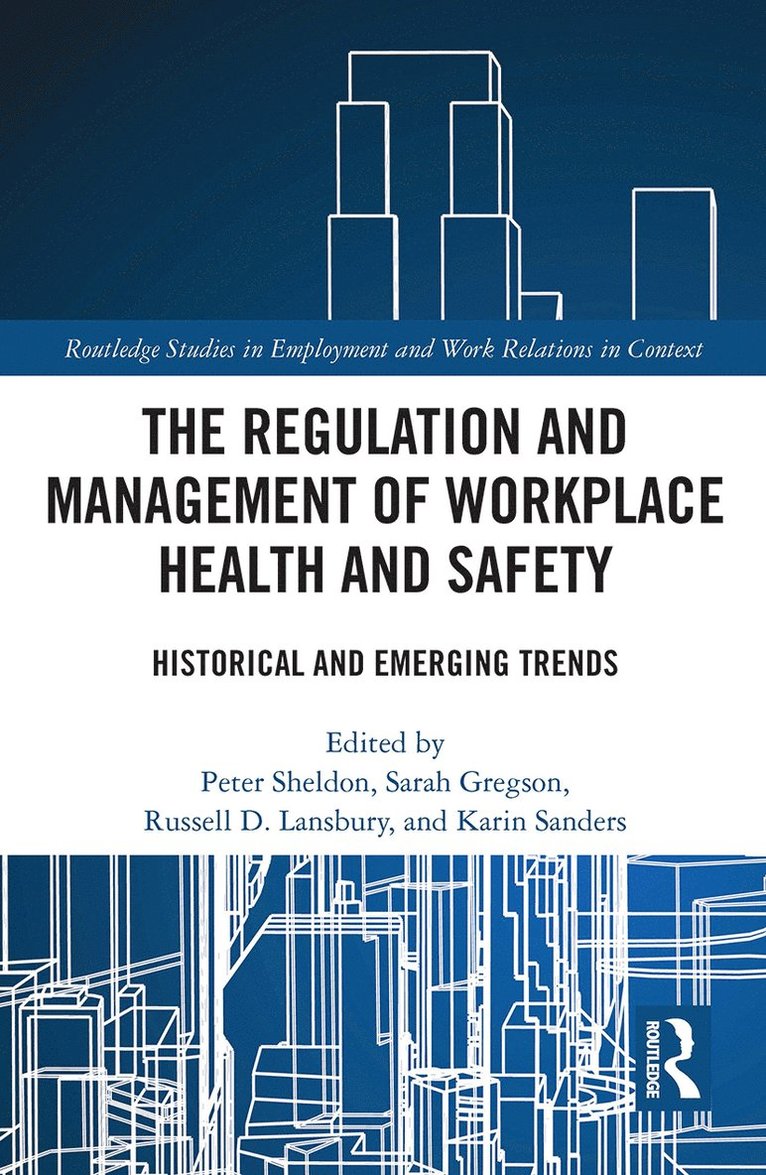
Mer från samma serie
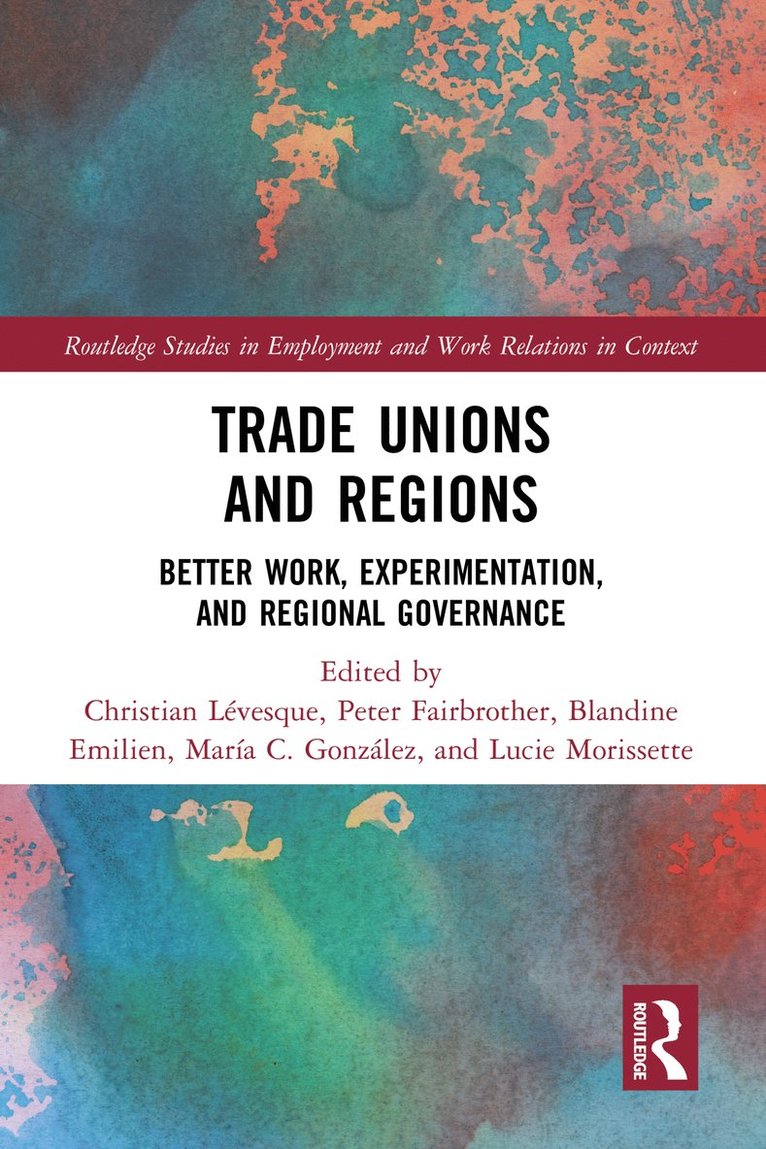
Regulation and Management of Workplace Health and Safety
Peter Sheldon, Sarah Gregson, Russell Lansbury, Karin Sanders
Inbunden, 2020
3 209 kr
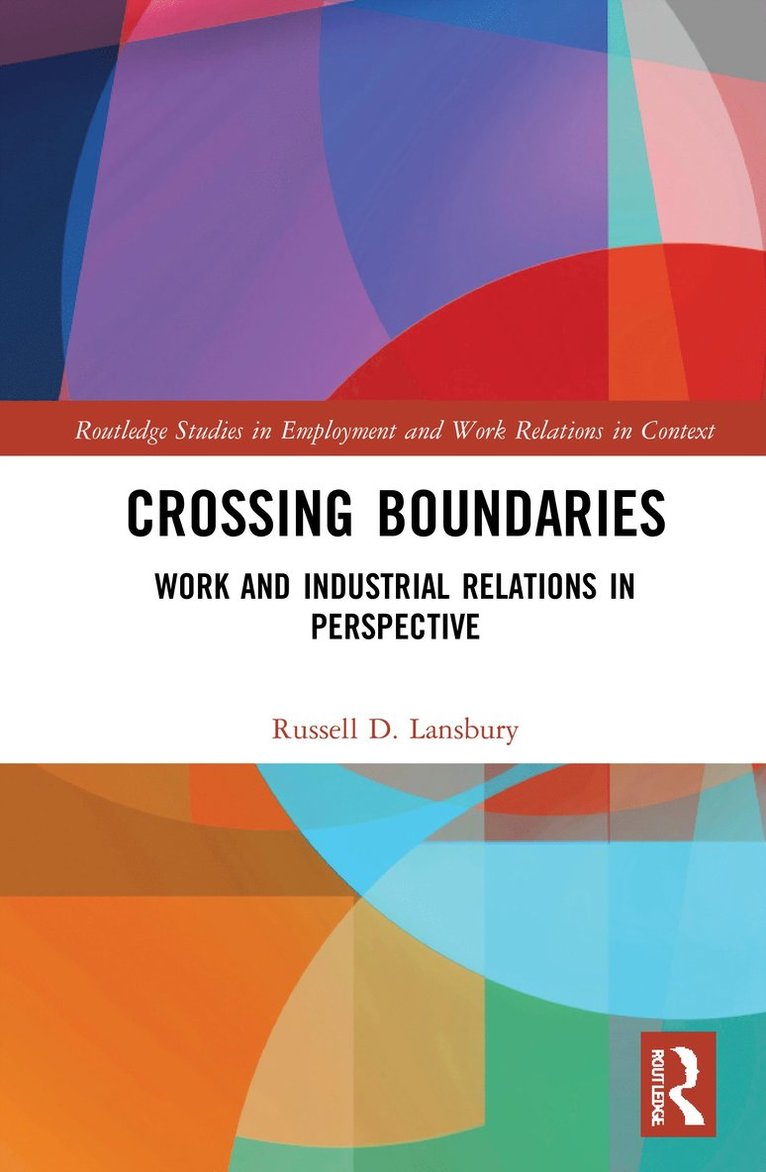
Trade Unions and Regions
Christian Lévesque, Peter Fairbrother, Blandine Emilien, María C. González, Lucie Morissette
Inbunden, 2022
3 299 kr
Regulation and Management of Workplace Health and Safety
Peter Sheldon, Sarah Gregson, Russell Lansbury, Karin Sanders
Häftad, 2022
849 kr
Hoppa över listan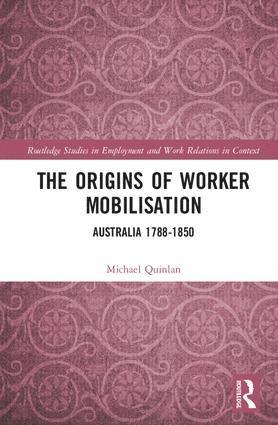




Du kanske också är intresserad av
Religious Freedom in Australia - a new Terra Nullius?
Iain T Benson, Michael Quinlan, A Keith Thompson
Häftad, 2019
429 kr
Beyond Employment
Richard Johnstone, Shae McCrystal, Igor Nossar, Michael Quinlan, Michael Rawling, Joellen Riley
Häftad, 2012
1 149 kr
Regulating Workplace Risks
David Walters, Richard Johnstone, Kaj Frick, Michael Quinlan, Geneviève Baril-Gingras, Annie Thébaud-Mony
Inbunden, 2011
3 169 kr
Inclusion, Exclusion and Religious Freedom in Contemporary Australia
Michael Quinlan, Keith Thompson
Häftad, 2021
419 kr