
North Korea, Nuclear Risk-Taking, and the United States
Kim Il Sung, Kim Jong Il, and Kim Jong Un
Häftad, Engelska, 2026
429 kr
Beställningsvara. Skickas inom 10-15 vardagar. Fri frakt för medlemmar vid köp för minst 249 kr.
Finns i fler format (1)
Jihwan Hwang analyzes Pyongyang’s nuclear policy changes over the last three decades under Kim Il Sung, Kim Jong Il and Kim Jong Un. Why did a weaker North Korea take the risk of standing up against the much stronger U.S. with its nuclear weapons program, even escalating the crisis to the point of a war? Later, why did North Korea change its course of action amid the crisis even though the security environment remained essentially the same? Hwang draws on the main tenets of prospect theory in international relations and argues that Pyongyang becomes either risk-acceptant or risk-averse toward the U.S., depending on the situation it faces. When Pyongyang perceived the status quo to be deteriorating, it framed its situation as a loss and chose a risk-acceptant of confrontation to restore the status quo. Equally, when Pyongyang perceived the situation to be improving, it chose a risk-averse engagement in the domain of gain. In contrast, when Pyongyang perceived an extreme loss such as military confrontation against the United States, it would rather choose a risk-averse policy to avoid the catastrophic outcome of war. The issues of risk are central to an understanding of Pyongyang’s nuclear policy decision-making.
Produktinformation
- Utgivningsdatum2026-02-19
- Mått148 x 228 x 14 mm
- Vikt320 g
- FormatHäftad
- SpråkEngelska
- SerieBloomsbury Studies on Korea's Place in International Relations
- Antal sidor216
- FörlagBloomsbury Publishing Plc
- ISBN9781793650283
Tillhör följande kategorier
Hoppa över listan


Mer från samma serie
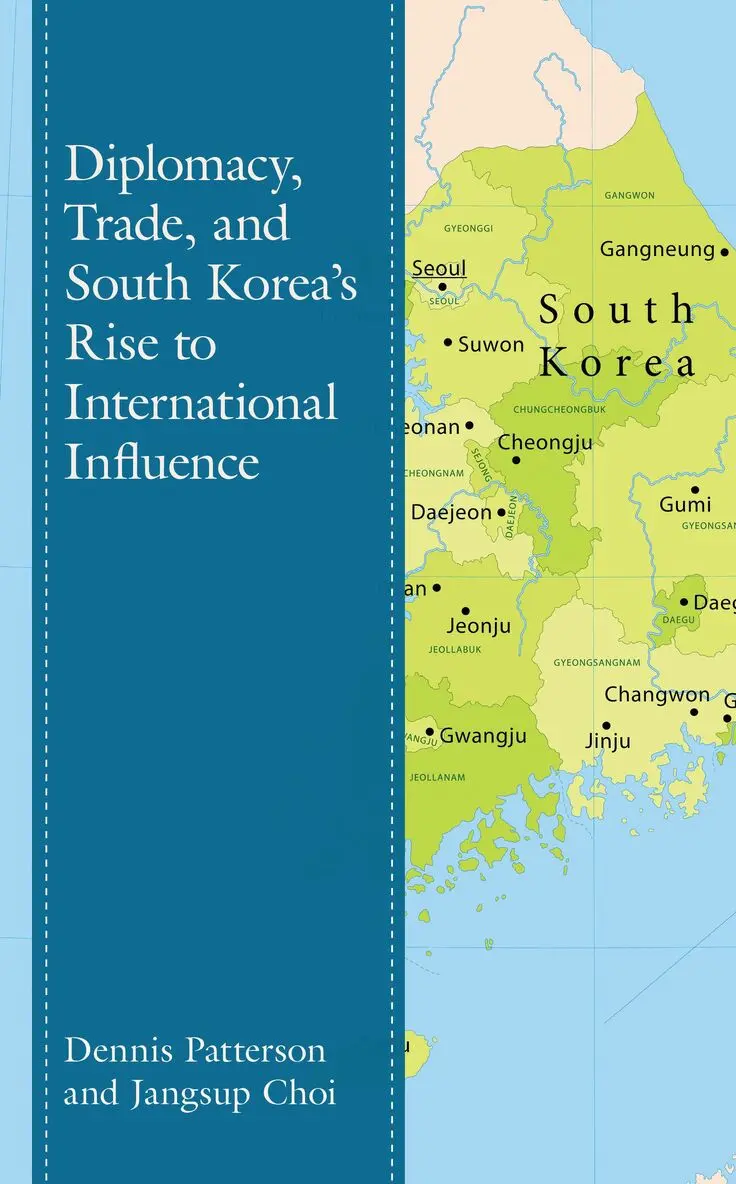
Diplomacy, Trade, and South Korea’s Rise to International Influence
Dennis Patterson, Jangsup Choi
Inbunden, 2019
1 509 kr
Diplomacy, Trade, and South Korea’s Rise to International Influence
Dennis Patterson, Jangsup Choi
Häftad, 2021
679 kr
Hoppa över listan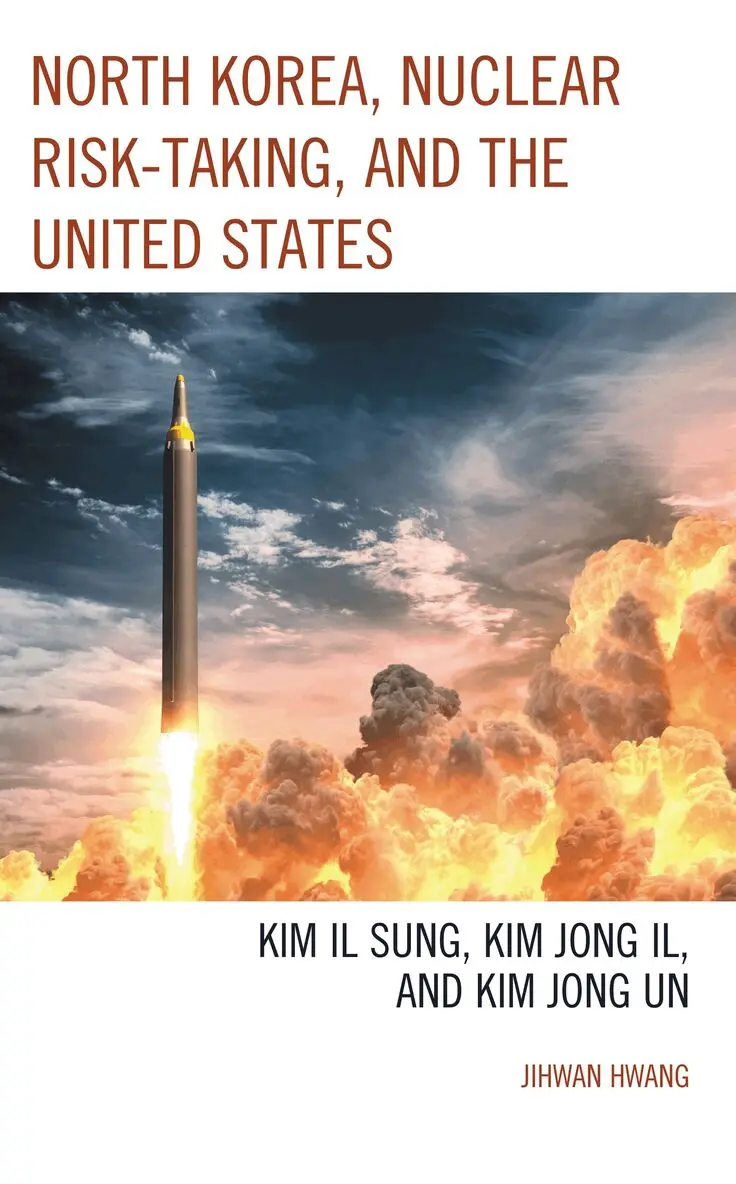

Du kanske också är intresserad av
Del 1
Diplomacy, Trade, and South Korea’s Rise to International Influence
Dennis Patterson, Jangsup Choi
Häftad, 2021
679 kr
Diplomacy, Trade, and South Korea’s Rise to International Influence
Dennis Patterson, Jangsup Choi
Inbunden, 2019
1 509 kr