
Del i serien Brill
New Apophaticism
Augustine and the Redemption of Signs
Häftad, Engelska, 2015
1 259 kr
Beställningsvara. Skickas inom 5-8 vardagar. Fri frakt för medlemmar vid köp för minst 249 kr.
Finns i fler format (1)
In A New Apophaticism Susannah Ticciati draws on Augustine to develop an apophatic theology for the twenty-first century. Shifting the focus away from the potential and failure of words to say something about God, the book suggests that the purpose of God-language is to transform human beings in their relationship with God. Augustine's doctrine of predestination is read, with the help of speech-act theory and the study of indexicals, for its power to effect redemptive change; and his De doctrina christiana is drawn upon for its semiotics. Together they make way for the hypothesis that God-language transforms human beings into better signs of God.
Produktinformation
- Utgivningsdatum2015-01-15
- Mått155 x 235 x 14 mm
- Vikt431 g
- FormatHäftad
- SpråkEngelska
- SerieBrill
- Antal sidor260
- FörlagBrill
- ISBN9789004290532
Tillhör följande kategorier
Hoppa över listan
Mer från samma författare
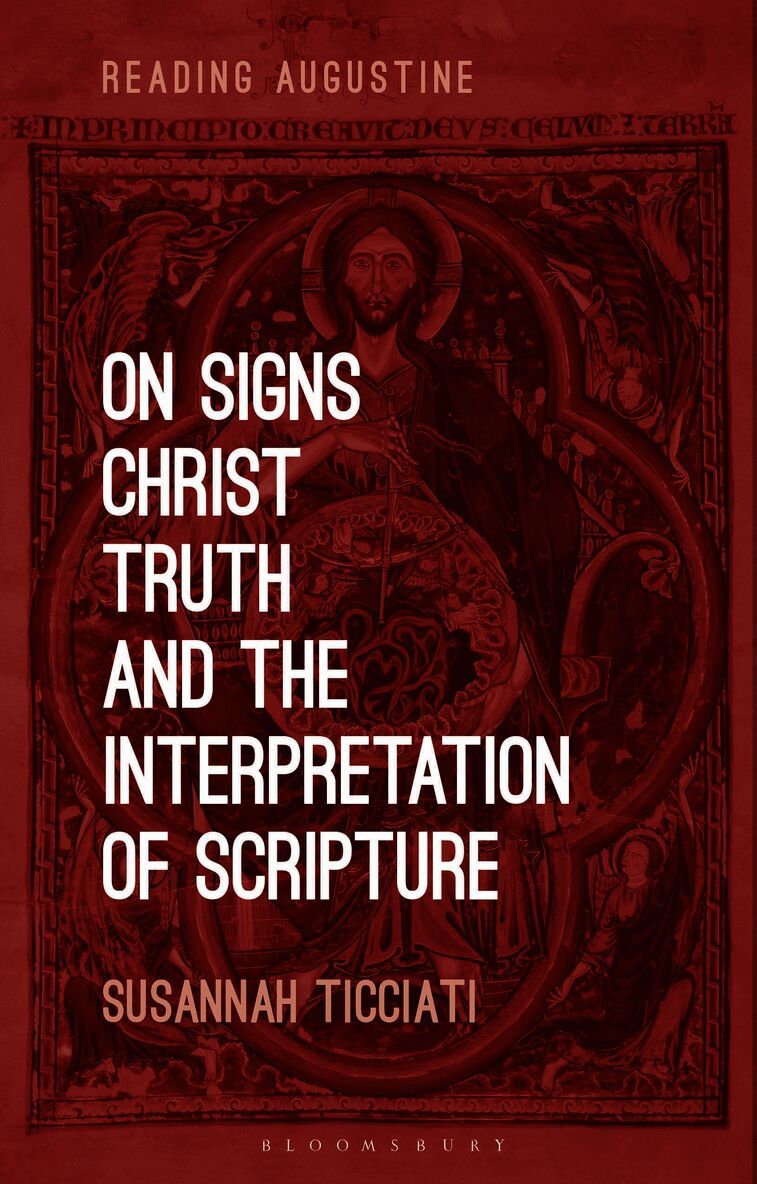
On Signs, Christ, Truth and the Interpretation of Scripture
Susannah Ticciati, Miles Hollingworth
Häftad, 2022
499 kr
On Signs, Christ, Truth and the Interpretation of Scripture
Susannah Ticciati, Miles Hollingworth
Inbunden, 2022
1 549 kr
Hoppa över listan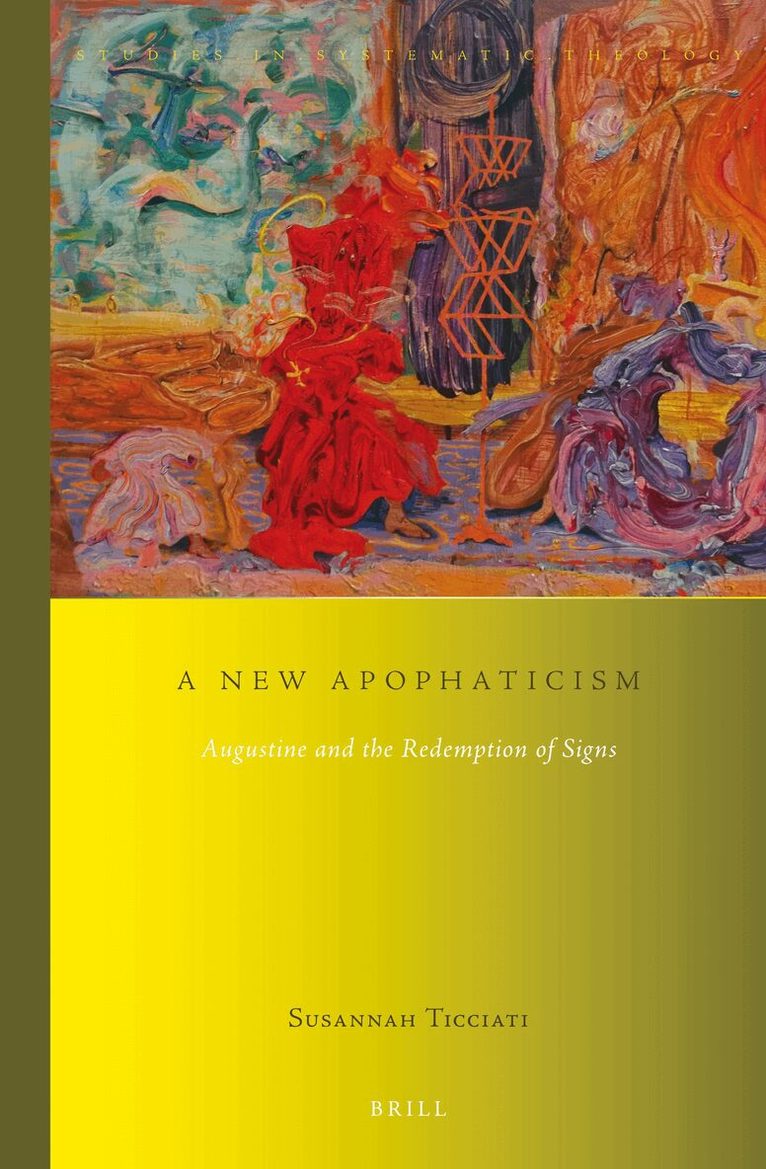





Du kanske också är intresserad av
Del 14
On Signs, Christ, Truth and the Interpretation of Scripture
Susannah Ticciati, Miles Hollingworth
Häftad, 2022
499 kr
On Signs, Christ, Truth and the Interpretation of Scripture
Susannah Ticciati, Miles Hollingworth
Inbunden, 2022
1 549 kr
- Nyhet
Del 3
- Nyhet
Del 11
- Nyhet
Del 6
- Nyhet
Del 4
Del 3
Del 1