
Del i serien Oxford Series on Cognitive Models and Architectures
Natural Philosophy
From Social Brains to Knowledge, Reality, Morality, and Beauty
Inbunden, Engelska, 2019
1 369 kr
Beställningsvara. Skickas inom 5-8 vardagar. Fri frakt för medlemmar vid köp för minst 249 kr.
Finns i fler format (1)
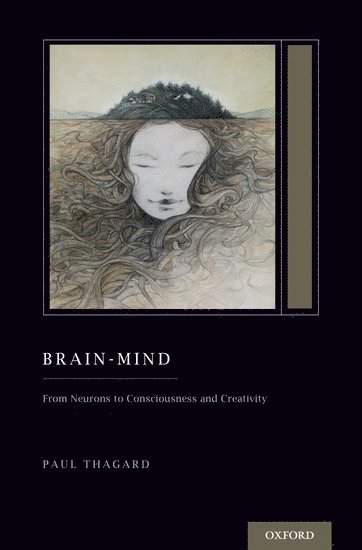
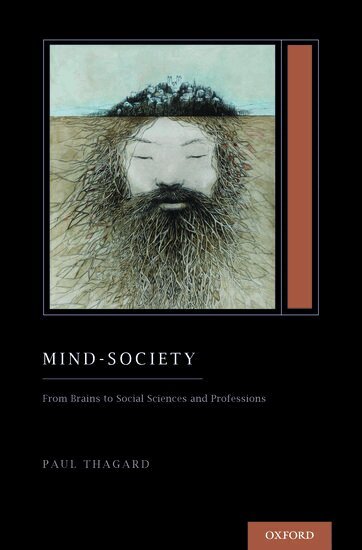
Paul Thagard uses new accounts of brain mechanisms and social interactions to forge theories of mind, knowledge, reality, morality, justice, meaning, and the arts. Natural Philosophy brings new methods for analyzing concepts, understanding values, and achieving coherence. It shows how to unify the humanities with the cognitive and social sciences. How can people know what is real and strive to make the world better? Philosophy is the attempt to answer general questions about the nature of knowledge, reality, and values. Natural Philosophy pursues these questions by drawing heavily on the sciences and finds no room for supernatural entities such as souls, gods, and possible worlds. It provides original accounts of the traditional branches of philosophy, including epistemology, metaphysics, ethics, and aesthetics.Rather than reducing the humanities to the sciences, this book displays fertile interconnections that show that philosophical questions and artistic practices can be much better understood by considering how human brains operate and interact in social contexts. The sciences and the humanities are interdependent, because both the natural and social sciences cannot avoid questions about methods and values that are primarily the province of philosophy.This book belongs to a trio that includes Brain-Mind: From Neurons to Consciousness and Creativity and Mind-Society: From Brains to Social Sciences and Professions. They can be read independently, but together they make up a Treatise on Mind and Society that provides a unified and comprehensive treatment of the cognitive sciences, social sciences, professions, and humanities.
Produktinformation
- Utgivningsdatum2019-03-21
- Mått239 x 157 x 30 mm
- Vikt680 g
- FormatInbunden
- SpråkEngelska
- SerieOxford Series on Cognitive Models and Architectures
- Antal sidor360
- FörlagOUP USA
- ISBN9780190678739
Tillhör följande kategorier
Hoppa över listan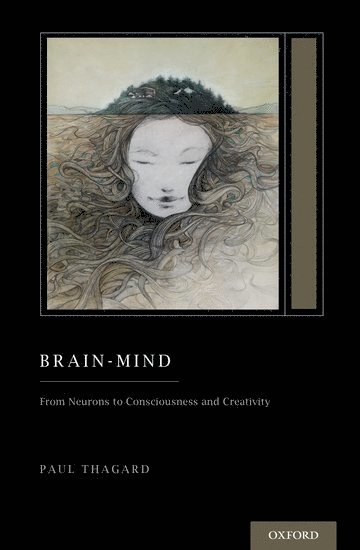

Mer från samma serie
The Computational Evolution of Cognitive Architectures
Iuliia Kotseruba, John K. Tsotsos
Inbunden, 2025
1 069 kr
Hoppa över listan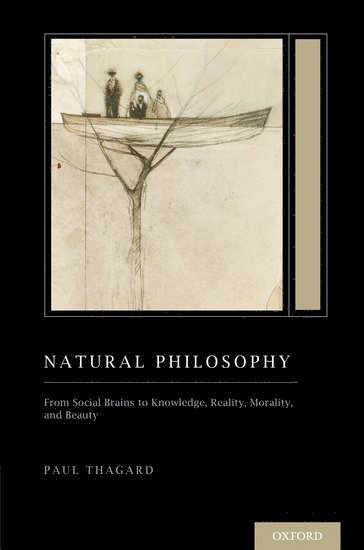

Du kanske också är intresserad av
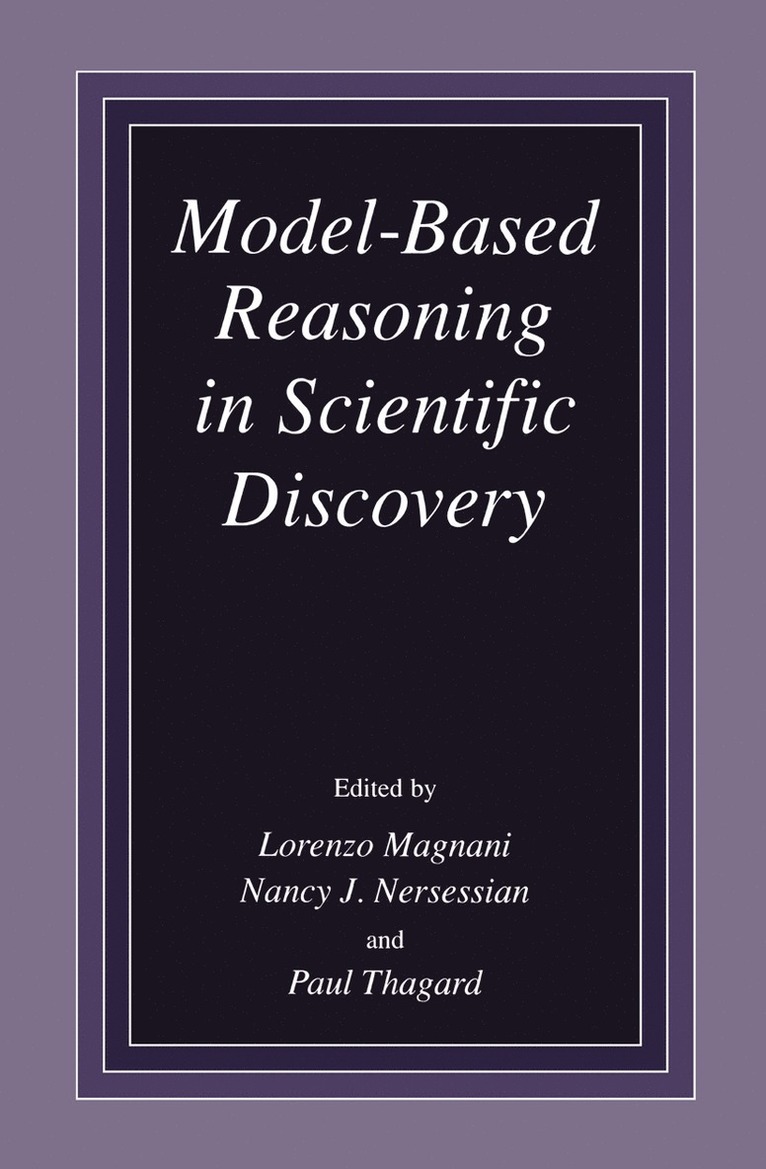
Model-Based Reasoning in Scientific Discovery
L. Magnani, N.J. Nersessian, Paul Thagard
Häftad, 2012
5 009 kr
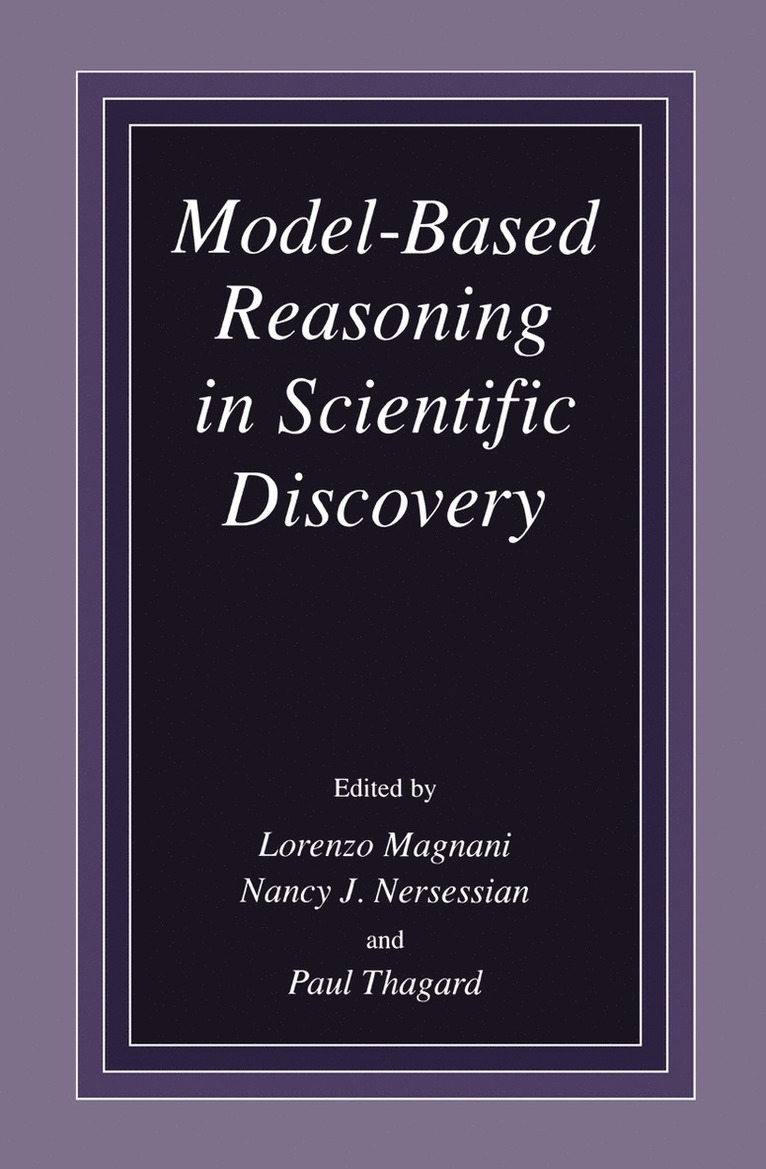
Model-Based Reasoning in Scientific Discovery
L. Magnani, N.J. Nersessian, Paul Thagard
Inbunden, 1999
4 289 kr
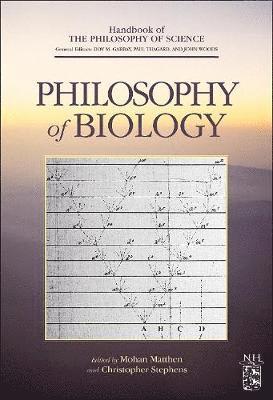
Philosophy of Biology
M. Matthen M., C. Stephens C., Dov M. Gabbay, Paul Thagard
Inbunden, 2007
3 329 kr