
Myth of Colorblind Christians
Evangelicals and White Supremacy in the Civil Rights Era
Häftad, Engelska, 2021
469 kr
Beställningsvara. Skickas inom 7-10 vardagar. Fri frakt för medlemmar vid köp för minst 249 kr.
Finns i fler format (1)
Reveals how Christian colorblindness expanded white evangelicalism and excluded Black evangelicals In the decades after the civil rights movement, white Americans turned to an ideology of colorblindness. Personal kindness, not systemic reform, seemed to be the way to solve racial problems. In those same decades, a religious movement known as evangelicalism captured the nation's attention and became a powerful political force. In The Myth of Colorblind Christians, Jesse Curtis shows how white evangelicals' efforts to grow their own institutions created an evangelical form of whiteness, infusing the politics of colorblindness with sacred fervor.Curtis argues that white evangelicals deployed a Christian brand of colorblindness to protect new investments in whiteness. While black evangelicals used the rhetoric of Christian unity to challenge racism, white evangelicals repurposed this language to silence their black counterparts and retain power, arguing that all were equal in Christ and that Christians should not talk about race.As white evangelicals portrayed movements for racial justice as threats to Christian unity and presented their own racial commitments as fidelity to the gospel, they made Christian colorblindness into a key pillar of America's religio-racial hierarchy. In the process, they anchored their own identities and shaped the very meaning of whiteness in American society. At once compelling and timely, The Myth of Colorblind Christians exposes how white evangelical communities avoided antiracist action and continue to thrive today.
Produktinformation
- Utgivningsdatum2021-11-09
- Mått152 x 229 x 21 mm
- Vikt476 g
- FormatHäftad
- SpråkEngelska
- Antal sidor304
- FörlagNew York University Press
- ISBN9781479809387
Tillhör följande kategorier
Hoppa över listan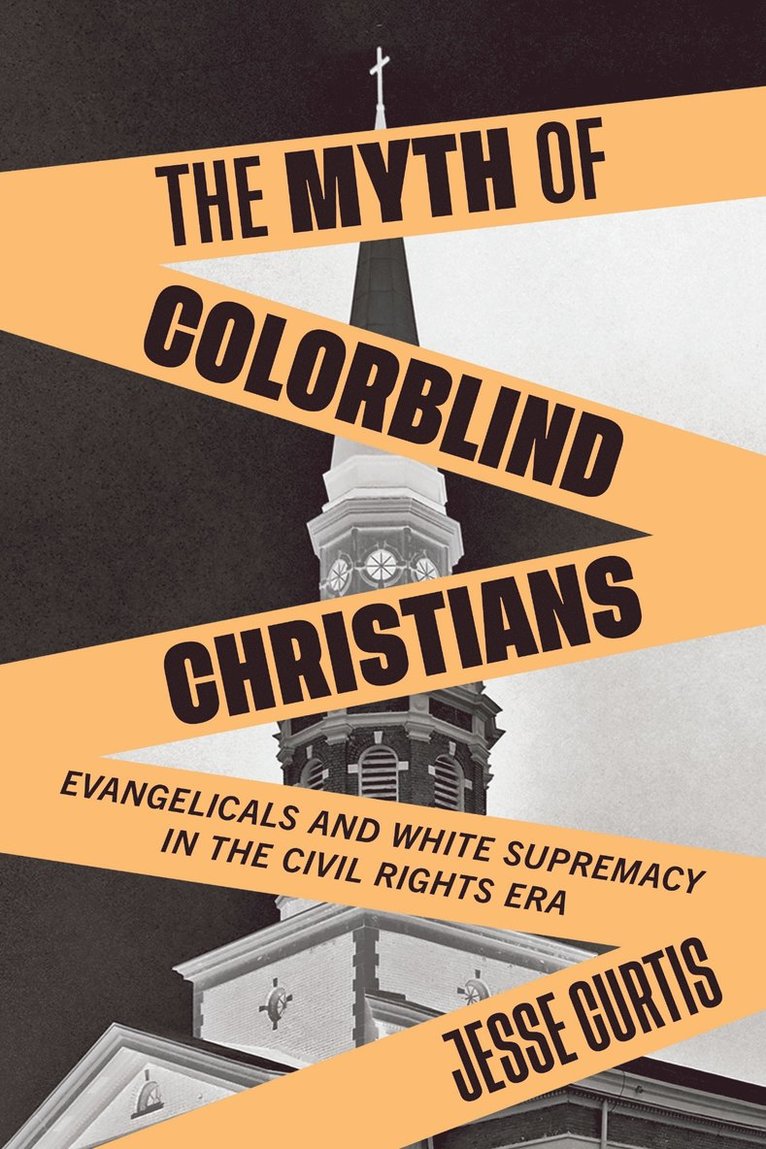







Du kanske också är intresserad av
- Bokrea
- Bokrea
- Bokrea
- Bokrea
Del 2
- Bokrea
Del 1
- Bokrea
Del 1
- Bokrea
Del 3