
Multidisciplinary Economics
The Birth of a New Economics Faculty in the Netherlands
Häftad, Engelska, 2010
1 479 kr
Beställningsvara. Skickas inom 10-15 vardagar. Fri frakt för medlemmar vid köp för minst 249 kr.
Multidisciplinary economics deliberately uses the insights and approaches of other disciplines and examines what consequences their contributions have for existing economic methods, theories and solutions to economic problems. Multidisciplinary economists should be at home in their own discipline and meet the high international standards of economic teaching and research that the discipline has developed. At the same time they should be able to recognise the limits of economics and be willing to open up new horizons by following new, discipline-transcending paths on which new insights into the analysis and solutions of economic problems can be found in collaboration with representatives of other disciplines. As a result of this search, economic methods and theories may have to be adjusted in such a way that they take insights from other disciplines into account. They may even have to be replaced by methods and theories that have been developed by other disciplines.
Produktinformation
- Utgivningsdatum2010-10-29
- Mått160 x 240 x 26 mm
- Vikt703 g
- FormatHäftad
- SpråkEngelska
- Antal sidor446
- FörlagSpringer-Verlag New York Inc.
- ISBN9781441938787
Tillhör följande kategorier
Hoppa över listan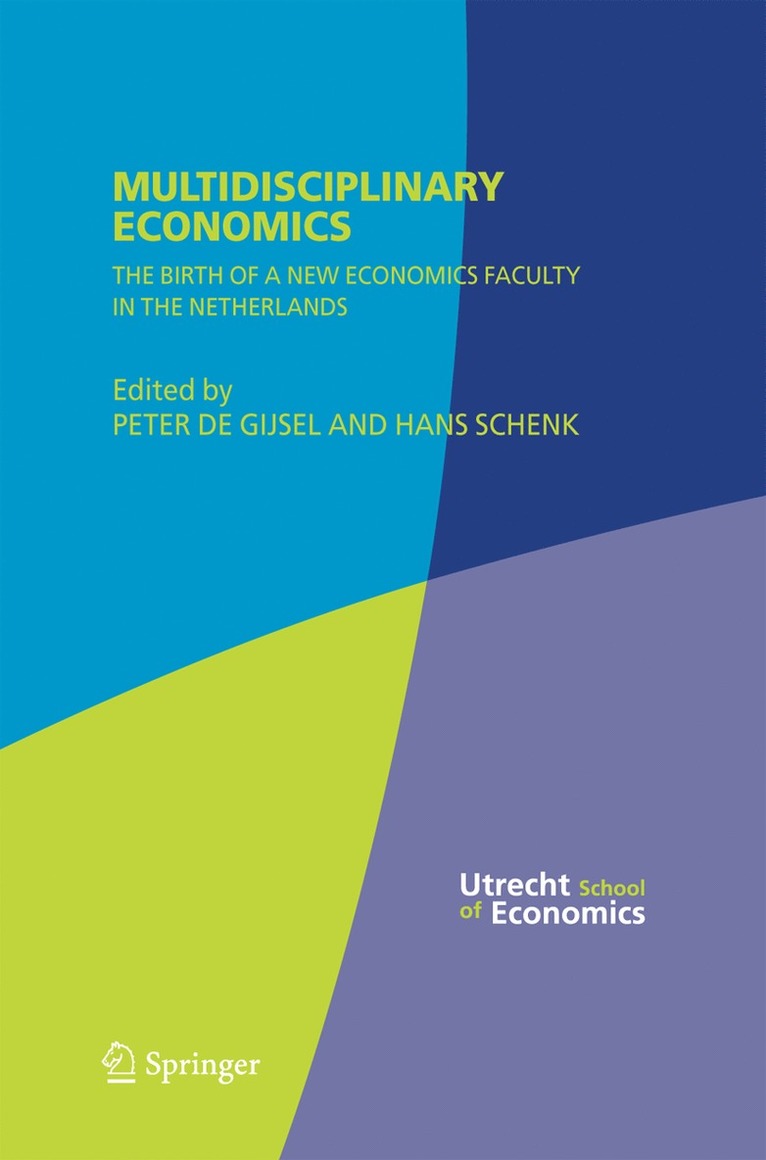









Du kanske också är intresserad av
Dynamics of Wage Relations in the New Europe
Linda Clarke, Peter de Gijsel, Jörn Janssen
Häftad, 2012
2 209 kr
Dynamics of Wage Relations in the New Europe
Linda Clarke, Peter de Gijsel, Jörn Janssen
Inbunden, 2000
2 209 kr
- Nyhet
Del 3
- Nyhet
Del 11
- Nyhet
Del 4
- Nyhet
Del 6
Del 1
Del 3