
Del 10
Del 378 i serien Faux Titre
"Moult a sans et vallour"
Studies in Medieval French Literature in Honor of William W. Kibler
Häftad, Engelska, 2012
3 579 kr
Beställningsvara. Skickas inom 5-8 vardagar. Fri frakt för medlemmar vid köp för minst 249 kr.
William W. Kibler is one of the most productive and versatile medievalists of his generation. Some scholars and students think of him primarily as a specialist in the medieval epic, whereas others consider him to be an Arthurian scholar. He is of course both, but he is also much more: a consummate philologist and editor of texts and also a prolific and accomplished translator. Above all, those who know him best know him as an extraordinarily generous and modest man. The present volume represents an effort by thirty medievalists, specialists in fields as diverse as William Kibler’s interests, to indicate our respect for him, aptly described in the foreword as “scholar, teacher, friend.”
Produktinformation
- Utgivningsdatum2012-01-01
- Mått155 x 235 x 30 mm
- Vikt755 g
- FormatHäftad
- SpråkEngelska, Franska
- SerieFaux Titre
- Antal sidor420
- FörlagBrill
- ISBN9789042035409
Tillhör följande kategorier
Hoppa över listan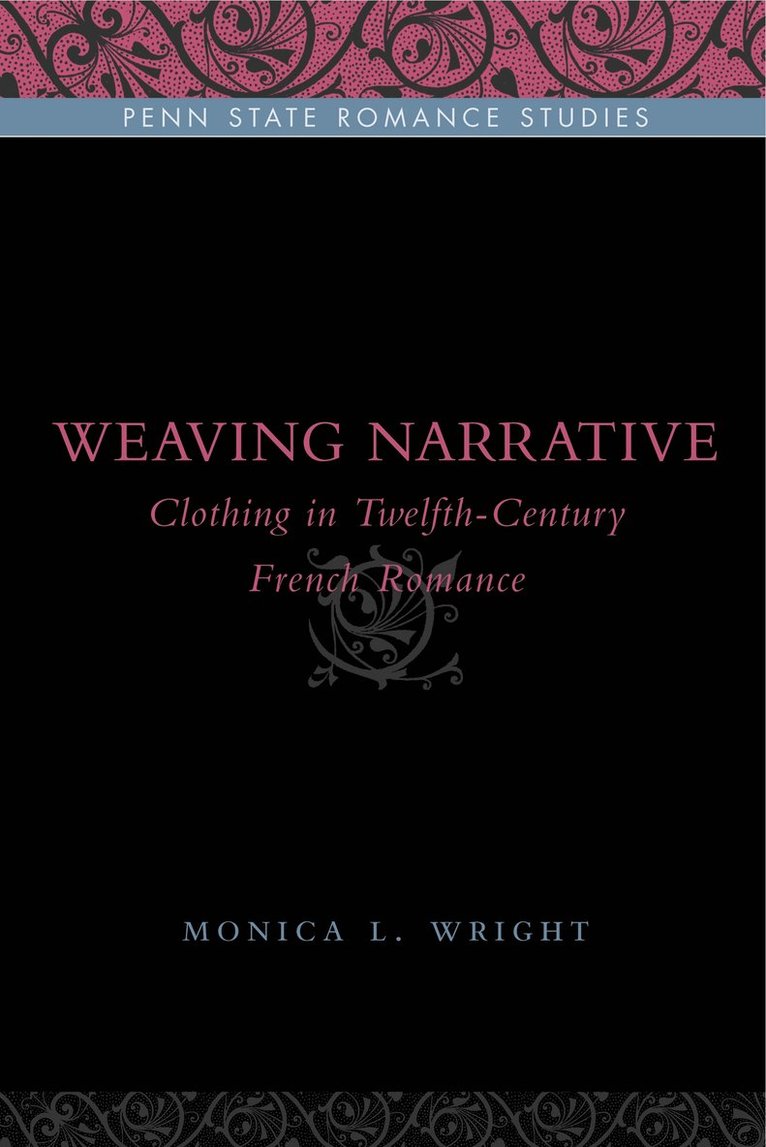


Mer från samma författare
Del 10
Medieval Clothing and Textiles 15
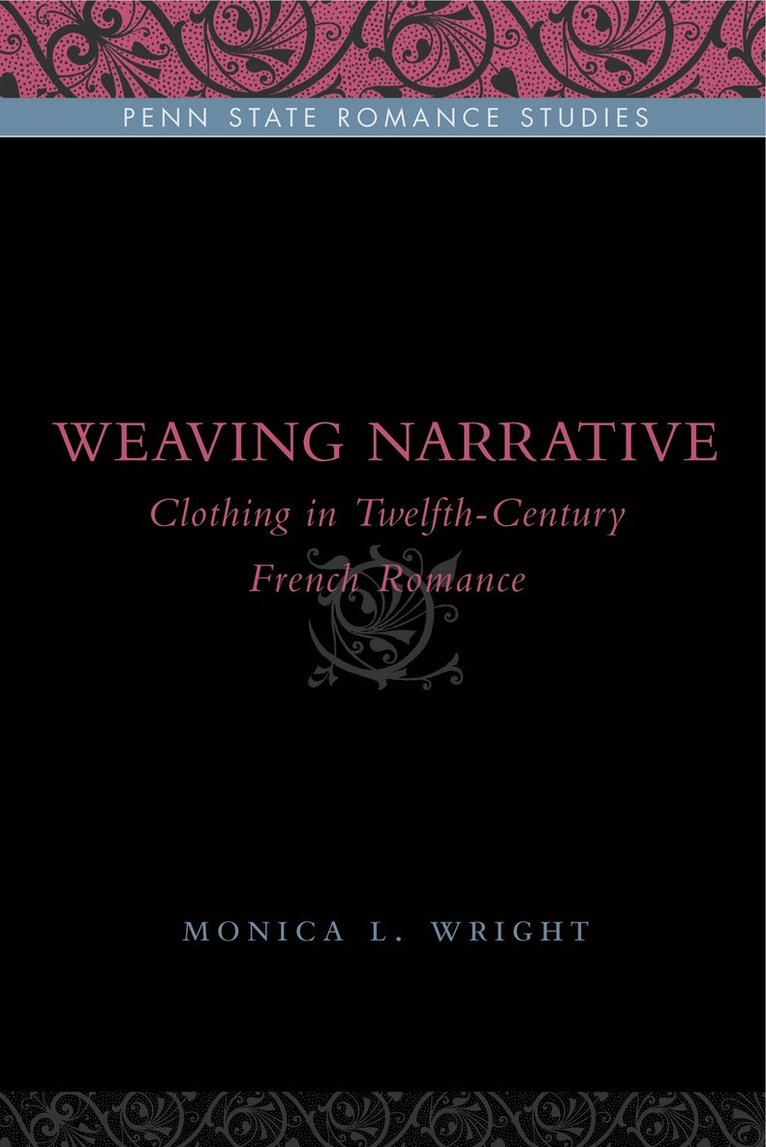
Robin Netherton, Gale R Owen-Crocker, Monica L Wright
Inbunden, 2019
1 129 kr
Medieval Clothing and Textiles 16
Monica L Wright, Robin Netherton, Gale R Owen-Crocker
Inbunden, 2020
1 129 kr
Hoppa över listan









Mer från samma serie
Del 406
Del 404
Del 405
La représentation de la vie psychique dans les récits factuels et fictionnels de l’époque classique
Marc Hersant, Catherine Ramond
Häftad, 2015
2 889 kr
Del 407
Del 408
Del 412
Del 416
Del 417
Del 418
Jeux de mots – enjeux littéraires, de François Rabelais à Richard Millet
Annelies Schulte Nordholt, Paul J. Smith
Inbunden, 2018
2 689 kr
Del 420
Hoppa över listan








Du kanske också är intresserad av
Del 59
Elections in Times of a Pandemic – Dilemmas and Challenges
Magdalena Musial-Karg
Inbunden, 2024
3 579 kr
Del 325
Del 11
Steele 300 - Gina and John Procaccino: 300 Ways to Buy, Sell, or Exchange Real Estate
Robert W. Steele
Häftad
3 579 kr
Del 202
The Circuit of Mass Communication
David Miller, Jenny Kitzinger, Peter Beharrell
Inbunden, 1998
3 579 kr
Del 330