
Del i serien New Directions in National Cinemas
Mothers, Comrades, and Outcasts in East German Women's Film
Häftad, Engelska, 2016
529 kr
Beställningsvara. Skickas inom 5-8 vardagar. Fri frakt för medlemmar vid köp för minst 249 kr.
Finns i fler format (1)
Mothers, Comrades, and Outcasts in East German Women's Film merges feminist film theory and cultural history in an investigation of "women's films" that span the last two decades of the former East Germany. Jennifer L. Creech explores the ways in which these films functioned as an alternative public sphere where official ideologies of socialist progress and utopian collectivism could be resisted. Emerging after the infamous cultural freeze of 1965, these women's films reveal a shift from overt political critique to a covert politics located in the intimate, problem-rich experiences of everyday life under socialism. Through an analysis of films that focus on what were perceived as "women's concerns"—marital problems, motherhood, emancipation, and residual patriarchy—Creech argues that the female protagonist served as a crystallization of socialist contradictions. By framing their politics in terms of women's concerns, these films used women's desire and agency to contest the more general problems of social alienation and collectivism, and to re-imagine the possibilities of self-fulfillment under socialism.
Produktinformation
- Utgivningsdatum2016-08-08
- Mått152 x 229 x 16 mm
- Vikt395 g
- FormatHäftad
- SpråkEngelska
- SerieNew Directions in National Cinemas
- Antal sidor306
- FörlagIndiana University Press
- ISBN9780253023018
Tillhör följande kategorier
Hoppa över listan






Mer från samma serie
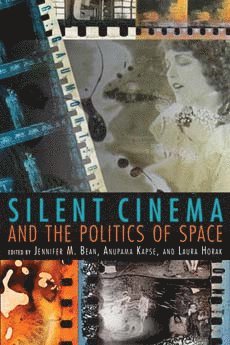
Silent Cinema and the Politics of Space
Jennifer M. Bean, Laura Horak, Anupama Kapse
Häftad, 2014
529 kr
Hoppa över listan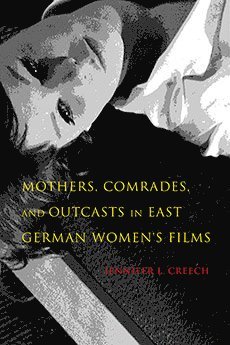






Du kanske också är intresserad av
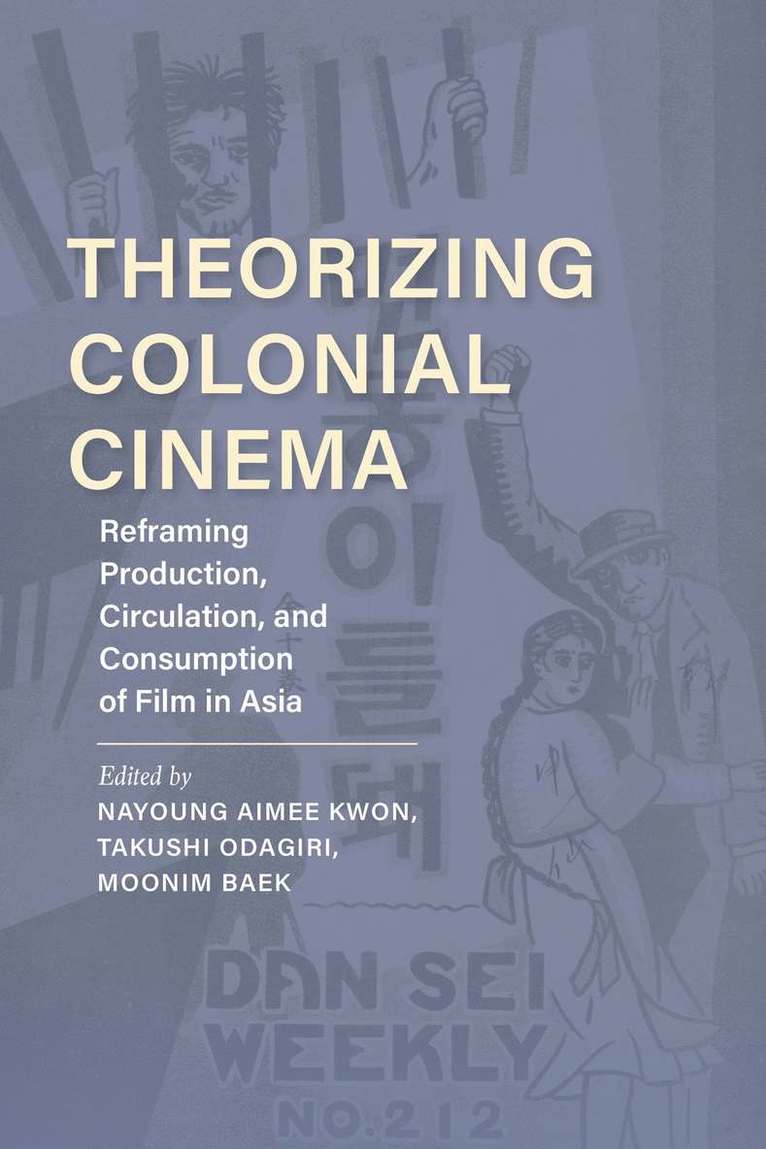
Theorizing Colonial Cinema
Nayoung Aimee Kwon, Nayoung Aimee Kwon, Takushi Odagiri, Moonim Baek
Inbunden, 2022
979 kr
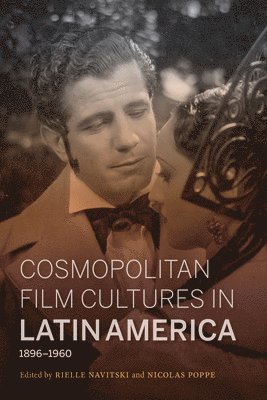
Cosmopolitan Film Cultures in Latin America, 1896-1960
Rielle Navitski, Nicolas Poppe
Inbunden, 2017
1 389 kr
- Nyhet
Del 3
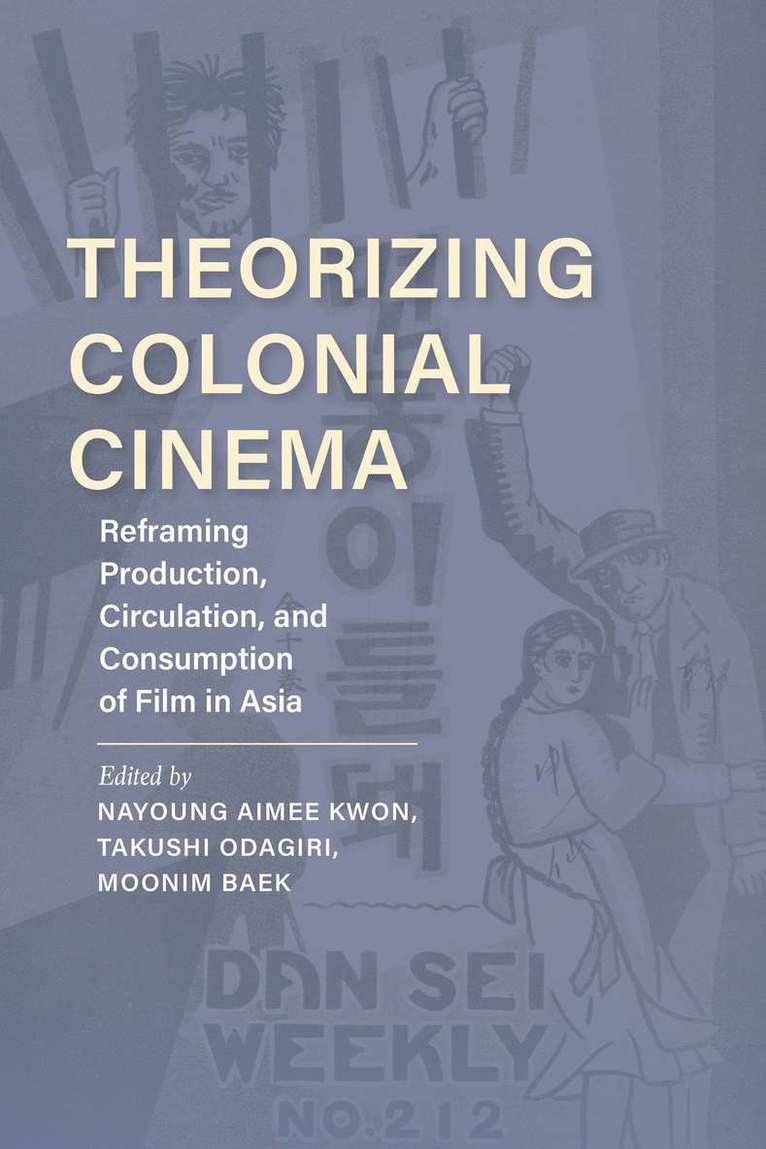
Theorizing Colonial Cinema
Nayoung Aimee Kwon, Nayoung Aimee Kwon, Takushi Odagiri, Moonim Baek
Häftad, 2022
339 kr