
Del i serien SUNY series in Philosophy
Moral and Spiritual Cultivation in Japanese Neo-Confucianism
The Life and Thought of Kaibara Ekken (1630-1714)
Häftad, Engelska, 1989
789 kr
Beställningsvara. Skickas inom 3-6 vardagar. Fri frakt för medlemmar vid köp för minst 249 kr.
Kaibara Ekken (1630-1714) was the focal Neo-Confucian thinker of the early Tokagawa period. He established the importance of Neo-Confucianism in Japan at a time when Buddhism had long been the dominant religious philosophy. This is the first book-length presentation of his thought. It contains a lengthy introduction to Ekken's life, time, and thought, and a careful translation into readable English of Ekken's book, Precepts for Daily Life in Japan (Yamanto Zokkun).
Produktinformation
- Utgivningsdatum1989-07-15
- Mått152 x 229 x 25 mm
- Vikt635 g
- FormatHäftad
- SpråkEngelska
- SerieSUNY series in Philosophy
- Antal sidor468
- FörlagState University of New York Press
- ISBN9780887068911
Tillhör följande kategorier
Hoppa över listan

Mer från samma serie
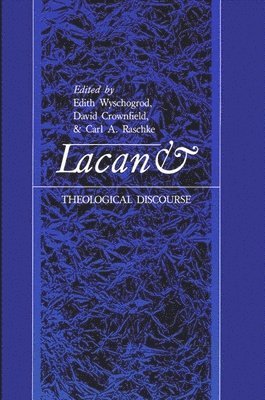
Lacan and Theological Discourse
Edith Wyschogrod, David Crownfield, Carl A. Raschke
Häftad, 1989
729 kr
Hoppa över listan

Du kanske också är intresserad av
Women, the State, and Development
Sue Ellen M. Charlton, Jana Everett, Kathleen Staudt
Häftad, 1989
509 kr