
Del i serien Lexington Books
Mind and Art of Abraham Lincoln, Philosopher Statesman
Texts and Interpretations of Twenty Great Speeches
Inbunden, Engelska, 2012
1 999 kr
Beställningsvara. Skickas inom 10-15 vardagar. Fri frakt för medlemmar vid köp för minst 249 kr.
Finns i fler format (1)
By analyzing many of Lincoln's most important speeches, The Mind and Art of Abraham Lincoln, Philosopher Statesman shows him to be a profound and systematic thinker who tries to get at the root of issues, not all of them strictly political. Lowenthal emphasizes Lincoln's manner of writing, which enables him to conceal his most radical thoughts, and pays special attention to the reasoning and artfulness with which he treats a wide variety of subjects. The book follows Lincoln from his Perpetuation or Lyceum address in 1838 to his last speech just after Lee's surrender, as he confronts the great issues of the day and lays out the fundamentals of American politics. Along the way, Lowenthal's careful analysis frees Lincoln of the charge of racial prejudice with which he has been saddled in recent years.
Produktinformation
- Utgivningsdatum2012-02-09
- Mått160 x 235 x 27 mm
- Vikt608 g
- FormatInbunden
- SpråkEngelska
- SerieLexington Books
- Antal sidor296
- FörlagBloomsbury Publishing Plc
- ISBN9780739171257
Tillhör följande kategorier
Hoppa över listan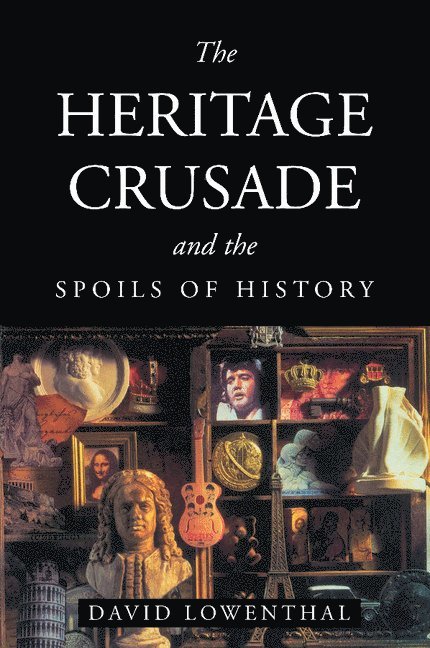
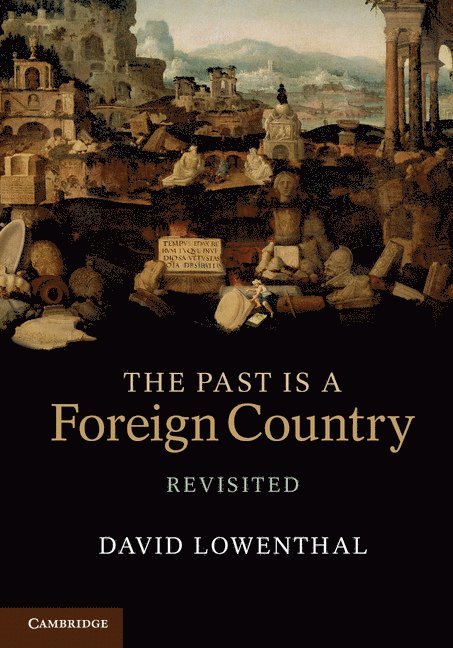
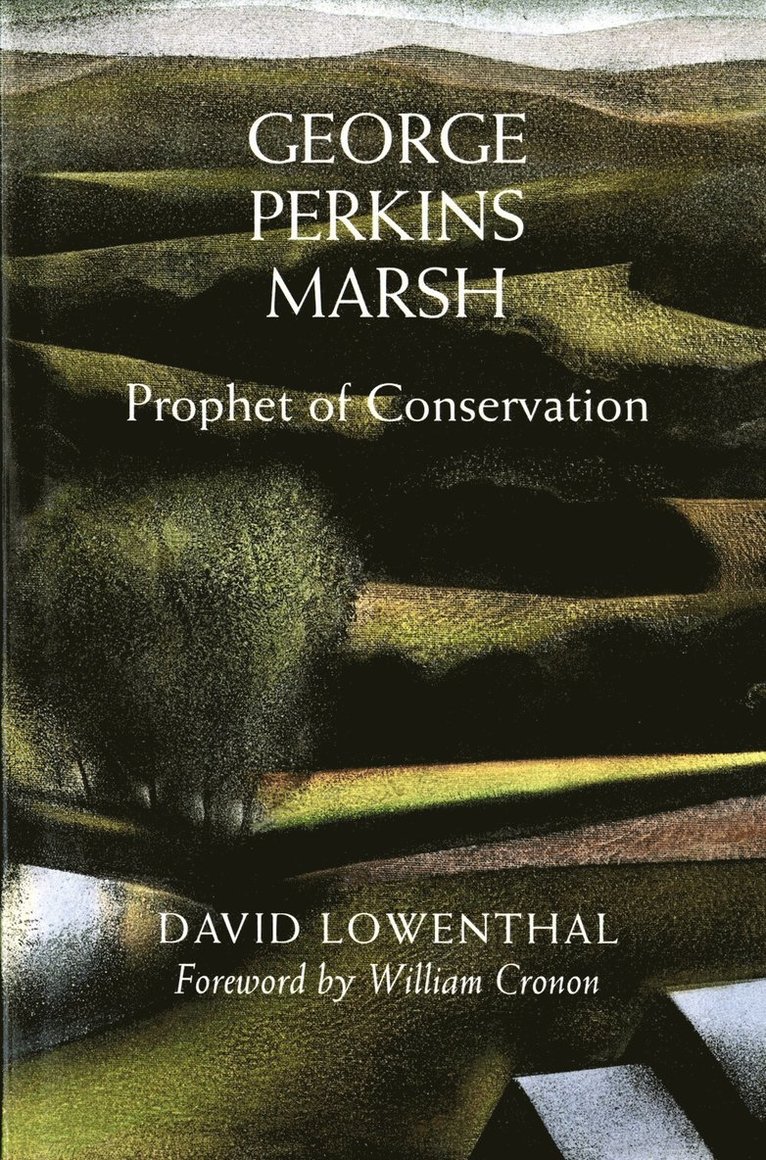

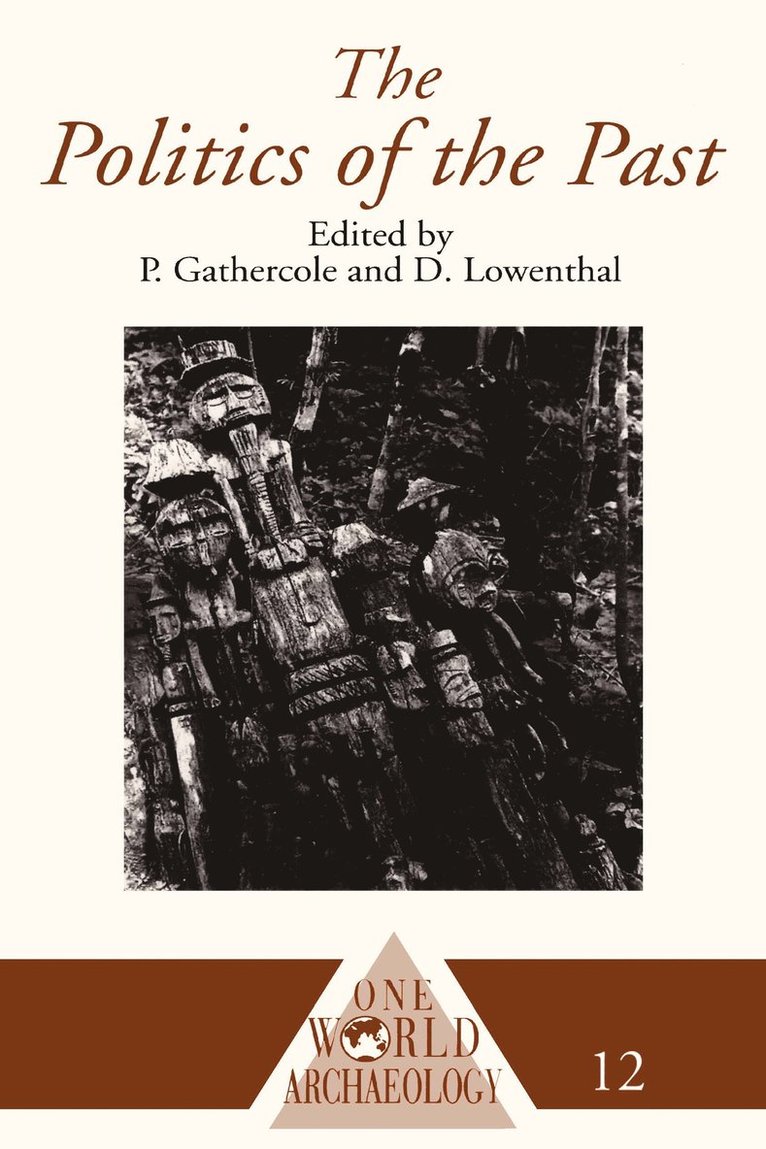


Mer från samma författare
Nature of Cultural Heritage, and the Culture of Natural Heritage
David Lowenthal, Kenneth Olwig
Inbunden, 2006
3 209 kr
Del 8
Hoppa över listan



Mer från samma serie
Promoting Abstinence, Being Faithful, and Condom Use with Young Africans
Mary Louisa Plummer
Häftad, 2014
1 089 kr