
Del i serien Performance and Science: Interdisciplinary Dialogues
Medicine as Theatre, Theatre as Medicine
Inbunden, Engelska, 2026
2 429 kr
Beställningsvara. Skickas inom 10-15 vardagar. Fri frakt för medlemmar vid köp för minst 249 kr.
Responding to a need among health humanities scholars and clinicians to grapple with medicine’s performative aspects, this open access book argues there are deep connections between theatre and medicine which can guide transformative insights in both disciplines.This book contends that understanding the performative aspects of caregivers’ and patients’ roles can tangibly improve medical outcomes. It features chapters and interviews from a wide range of scholars in the medical, health humanities, theatre, performance, and disability studies, as well as key stakeholders such as doctors, medical educators, disability activists, home caregivers and patients. Moving beyond existing applications of the arts in narrative medicine and medical education, it is clear that patients’ and doctors’ performances cannot be understood in isolation, nor does interpretation happen in only one direction.Multiple theatre and performance genres are discussed, including spoken drama, opera, performance art, object performance, ritual, postdramatic theatre, forum theatre, and medical performances on film. By analyzing the ensemble drama of illness, by proposing enhancements to medicine’s “hidden curriculum” through roleplay, dramaturgy, and actor training in theatre and social performance theory, and by bringing patients and caregivers into the conversation, this book offers new research and real-world benefits.The ebook editions of this book are available open access under a CC BY-NC-ND 4.0 licence on bloomsburycollections.com.
Produktinformation
- Utgivningsdatum2026-06-11
- Mått178 x 246 x 26 mm
- Vikt800 g
- FormatInbunden
- SpråkEngelska
- SeriePerformance and Science: Interdisciplinary Dialogues
- Antal sidor368
- FörlagBloomsbury Publishing PLC
- ISBN9781350460720
Tillhör följande kategorier
Hoppa över listan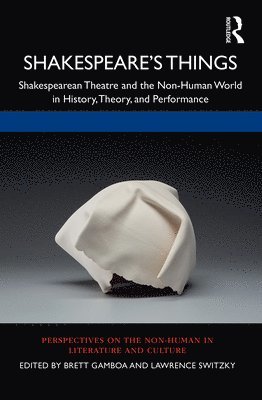


Du kanske också är intresserad av
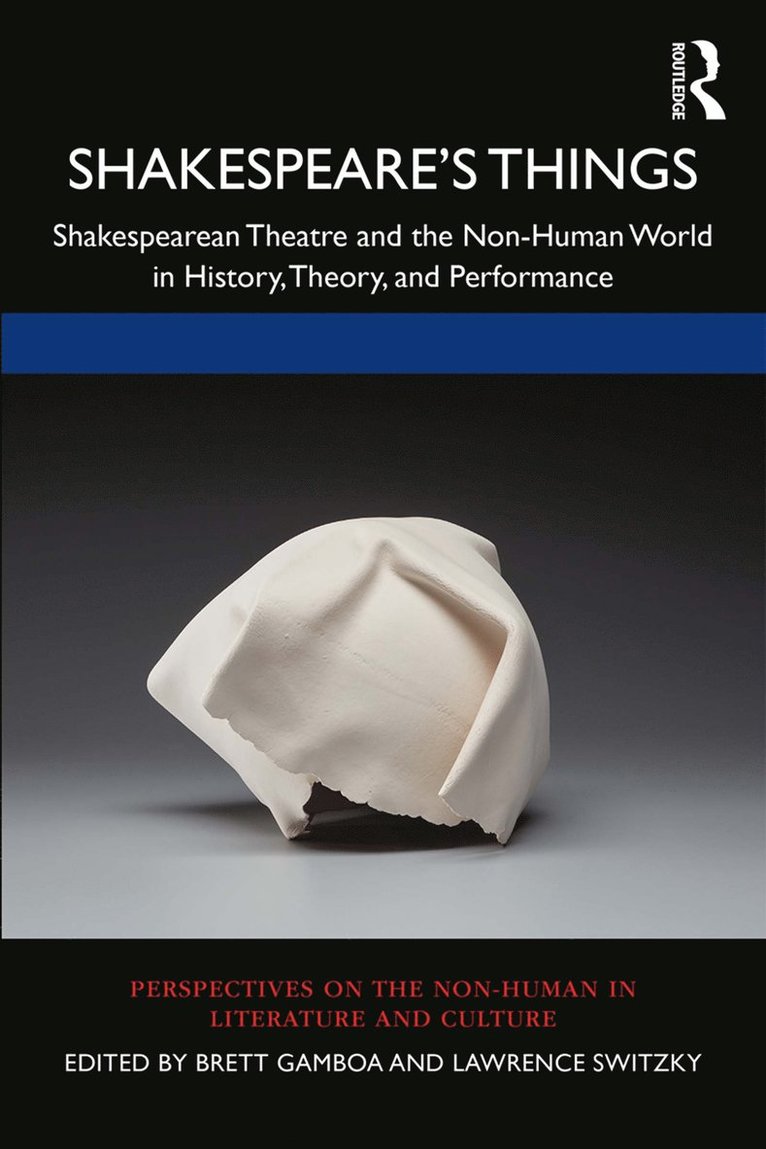
Arms and the Man, The Devil's Disciple, and Caesar and Cleopatra
George Bernard Shaw, Lawrence Switzky
Häftad, 2021
179 kr
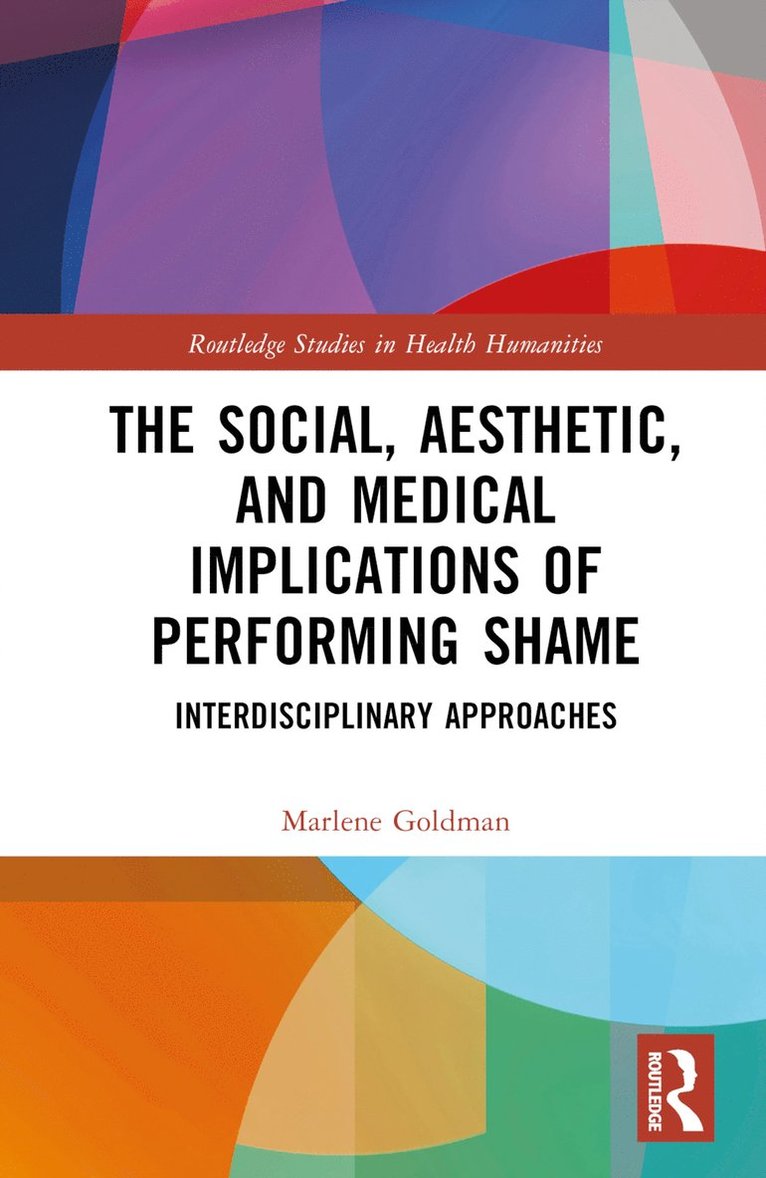
Social, Aesthetic, and Medical Implications of Performing Shame
Marlene Goldman
Inbunden, 2023
3 309 kr
Introduction to Theatre, Performance and the Cognitive Sciences
John Lutterbie, Amy Cook
Inbunden, 2019
1 599 kr
Collaborative Embodied Performance
Kath Bicknell, John Sutton, Kath Bicknell, John Sutton
Häftad, 2023
569 kr