
Medical Decision-Making on Behalf of Young Children
A Comparative Perspective
Häftad, Engelska, 2022
729 kr
Beställningsvara. Skickas inom 10-15 vardagar. Fri frakt för medlemmar vid köp för minst 249 kr.
Finns i fler format (1)
In the wake of the Charlie Gard and Alfie Evans cases, a wide-ranging international conversation was started regarding alternative thresholds for intervention and the different balances that can be made in weighing up the rights and interests of the child, the parent’s rights and responsibilities and the role of medical professionals and the courts. This collection provides a comparative perspective on these issues by bringing together analysis from a range of jurisdictions across Europe, North and South America, Africa and Asia. Contextualising the differences and similarities, and drawing out the cultural and social values that inform the approach in different countries, this volume is highly valuable to scholars across jurisdictions, not only to inform their own local debate on how best to navigate such cases, but also to foster inter-jurisdictional debate on the issues. The book brings together commentators from the fields of law, medical ethics, and clinical medicine across the world, actively drawing on the view from the clinic as well as philosophical, legal and sociological perspectives on the crucial question of who should decide about the fate of a child suffering from a serious illness. In doing so, the collection offers comprehensive treatment of the key questions around whether the current best interests approach is still appropriate, and if not, what the alternatives are. It engages head-on with the concerns seen in both the academic and popular literature that there is a need to reconsider the orthodoxy in this area.
Produktinformation
- Utgivningsdatum2022-03-17
- Mått154 x 232 x 26 mm
- Vikt580 g
- FormatHäftad
- SpråkEngelska
- Antal sidor376
- FörlagBloomsbury Publishing PLC
- ISBN9781509944545
Tillhör följande kategorier
Hoppa över listan
Mer från samma författare
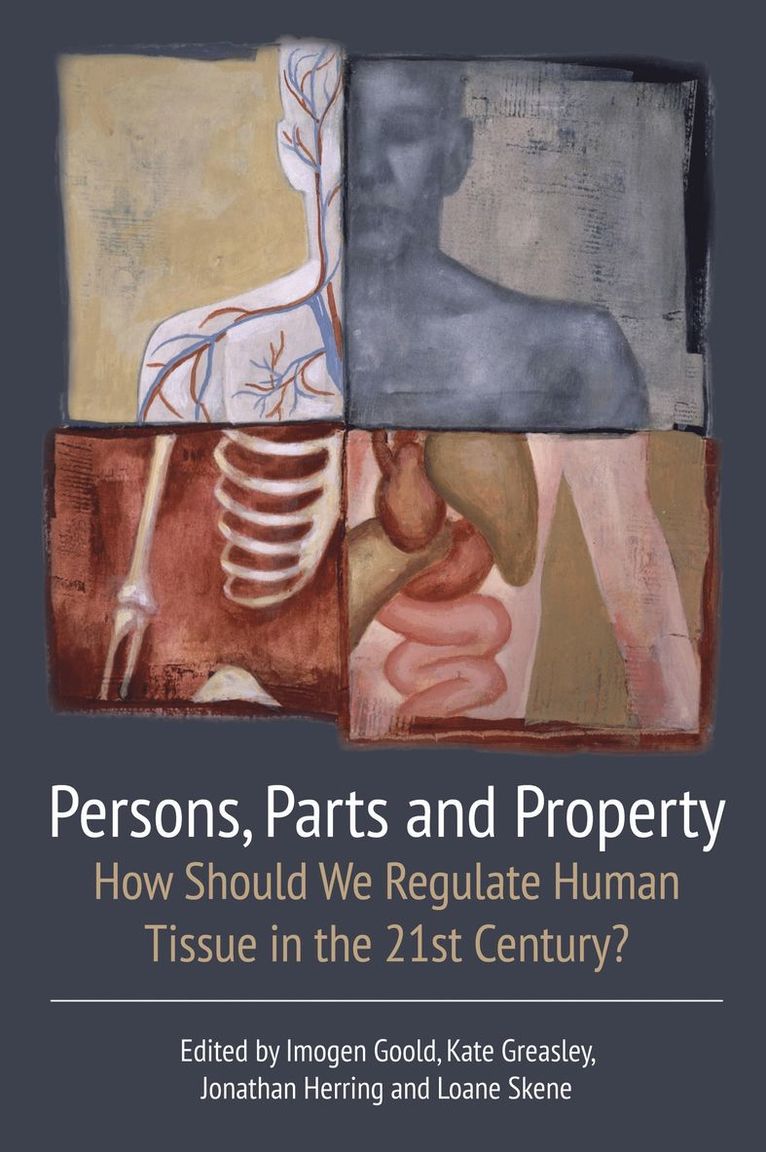
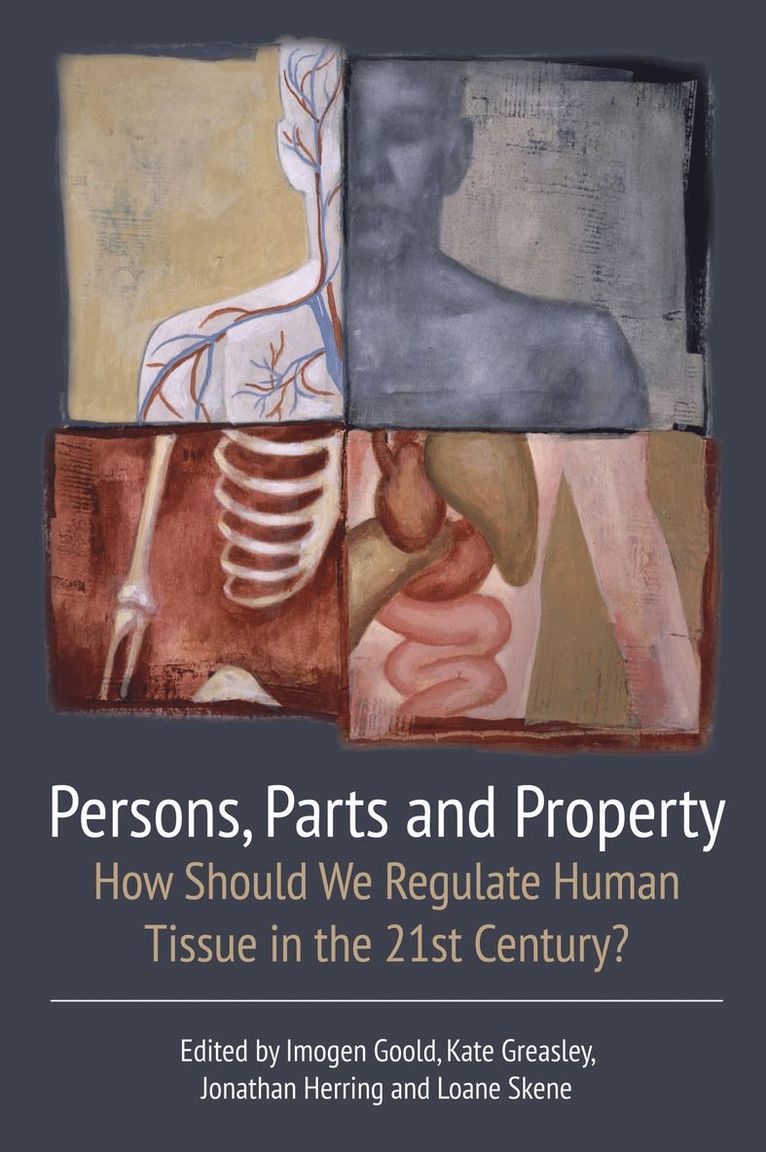
Persons, Parts and Property
Imogen Goold, Kate Greasley, Jonathan Herring, Loane Skene
Häftad, 2016
709 kr
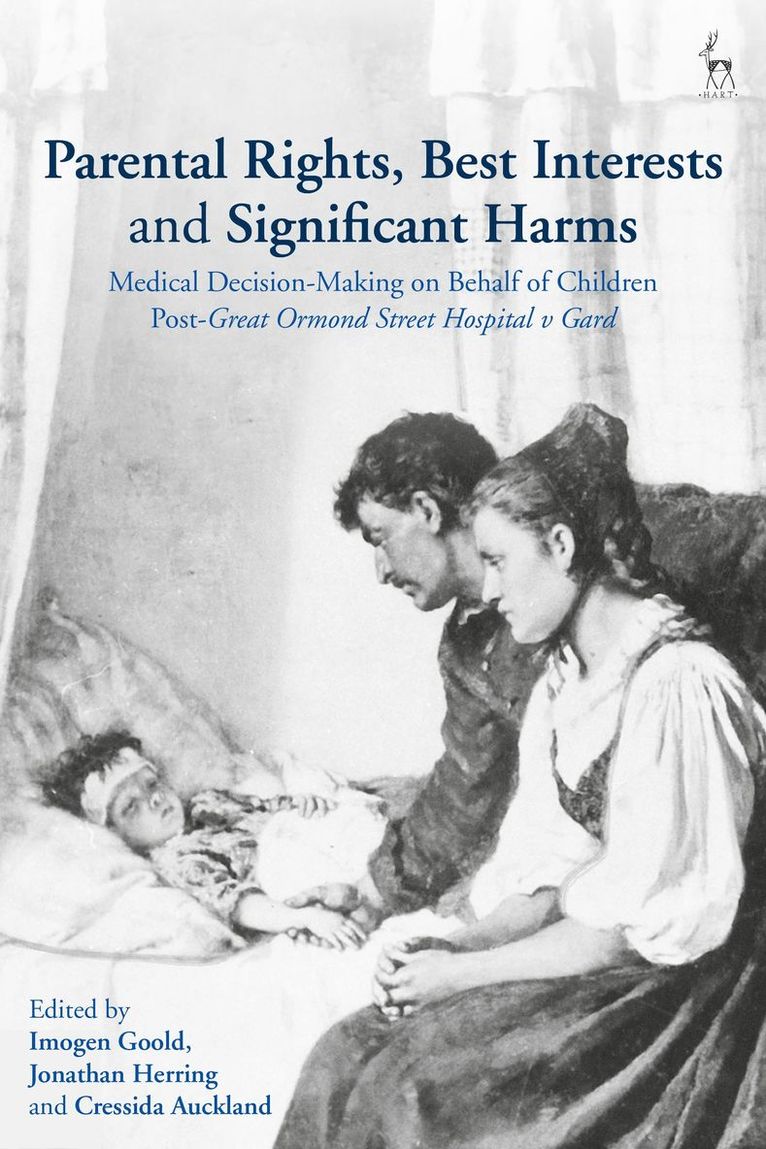
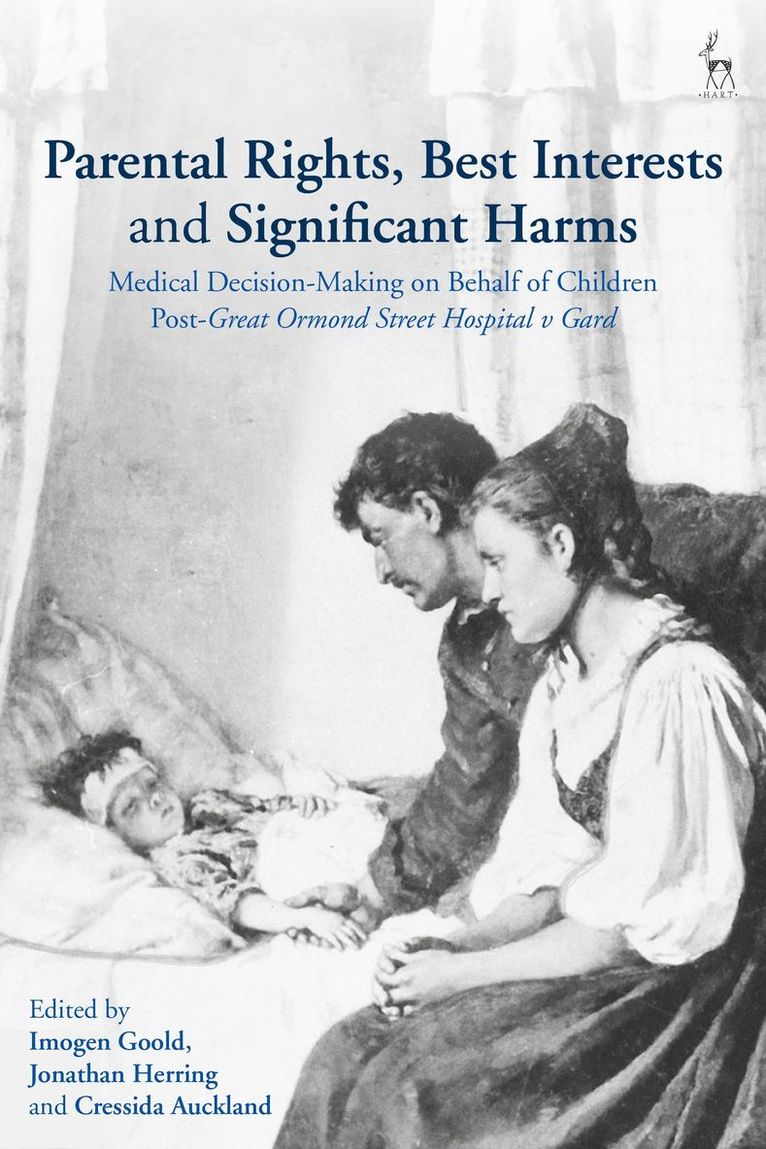
Parental Rights, Best Interests and Significant Harms
Imogen Goold, Jonathan Herring, Cressida Auckland
Inbunden, 2019
1 429 kr
Parental Rights, Best Interests and Significant Harms
Imogen Goold, Jonathan Herring, Cressida Auckland
Häftad, 2021
589 kr
Persons, Parts and Property
Imogen Goold, Kate Greasley, Jonathan Herring, Loane Skene
Inbunden, 2014
1 669 kr
Hoppa över listan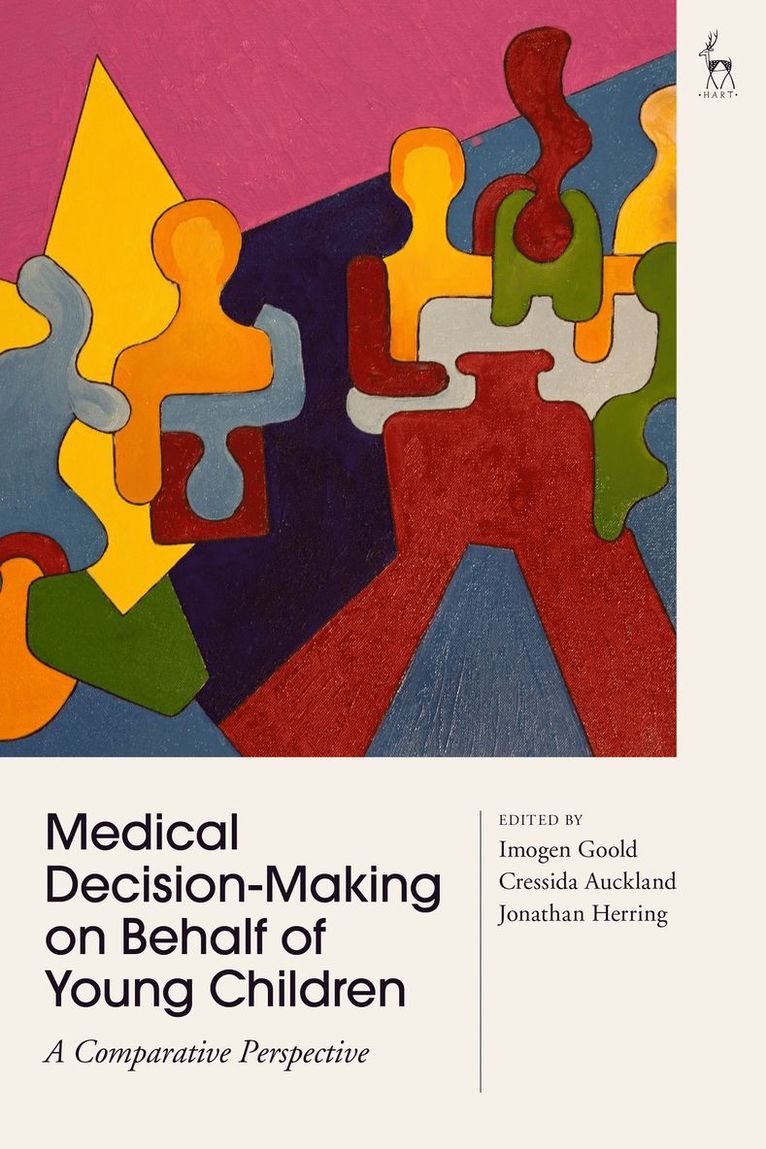
Du kanske också är intresserad av
Medical Decision-Making on Behalf of Young Children
Imogen Goold, Cressida Auckland, Jonathan Herring
Inbunden, 2020
1 679 kr
Parental Rights, Best Interests and Significant Harms
Imogen Goold, Jonathan Herring, Cressida Auckland
Inbunden, 2019
1 429 kr
Parental Rights, Best Interests and Significant Harms
Imogen Goold, Jonathan Herring, Cressida Auckland
Häftad, 2021
589 kr
Persons, Parts and Property
Imogen Goold, Kate Greasley, Jonathan Herring, Loane Skene
Inbunden, 2014
1 669 kr
Persons, Parts and Property
Imogen Goold, Kate Greasley, Jonathan Herring, Loane Skene
Häftad, 2016
709 kr