
MEDEA
Häftad, Engelska, 2017
199 kr
Tillfälligt slut
Through a mix of sound-poems, dance, and traditional scenes, Catherine Theis attempts to jostle Medea from her traditional, male-defined narrative in this modern retelling set in the mountains of Montana. A 2015 Leslie Scalapino Award for Innovative Women Performance Writers finalist, MEDEA features a Chorus of Flames, choreography for The Milky Way, and a collection of palate-cleansing satyr plays to be performed after. Grappling with both love and language, Theis' Medea "wants to join with the world, to meld with it. Let's let her do that—see what falls away."
Produktinformation
- Utgivningsdatum2017-03-23
- Mått127 x 203 x 10 mm
- Vikt136 g
- FormatHäftad
- SpråkEngelska
- Antal sidor112
- Förlag53rd State Press
- ISBN9780991418367
Tillhör följande kategorier
Hoppa över listan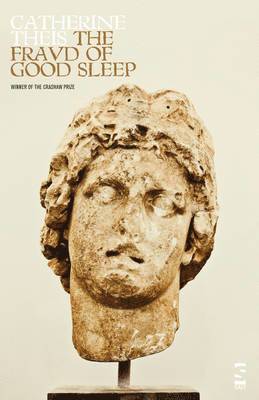

Mer från samma författare
Sound of the Past: Echoes and Incantations in Eliot, H.D., and Woolf
Steven Minas, Susan McCabe, Catherine Theis, Steven Nathaniel, Demetres Tryphonopoulos, Anna Fyta, Graham Borland, Kevin Tunnicliffe, Jonathan Najarian, Steven Minas, Susan McCabe, Catherine Theis
Häftad, 2026
1 289 kr
Sound of the Past: Echoes and Incantations in Eliot, H.D., and Woolf
Steven Minas, Susan McCabe, Catherine Theis, Steven Nathaniel, Demetres Tryphonopoulos, Anna Fyta, Graham Borland, Kevin Tunnicliffe, Jonathan Najarian, Steven Minas, Susan McCabe, Catherine Theis
Inbunden, 2026
1 989 kr
Hoppa över listan






Du kanske också är intresserad av
Futures: An Anthology of Contemporary Arab Theater
Yasser Abu Saqra, Agnes Borinsky, Paul Spera
Häftad, 2026
319 kr