
Del 75 i serien East Central and Eastern Europe in the Middle Ages, 450-1450
Master Narratives of the Middle Ages in Bulgaria
Inbunden, Engelska, 2021
3 219 kr
Beställningsvara. Skickas inom 5-8 vardagar. Fri frakt för medlemmar vid köp för minst 249 kr.
This volume offers a history of historiography, as Roumen Daskalov presents a critical analysis of Bulgarian historiographical views of the Middle Ages to reveal their embeddedness in their historical context and their adaptation to the contemporary circumstances. The study traces the establishment of a master narrative of the Bulgarian Middle Ages and its evolution over time to the present day, including the attempt at a Marxist counter-narrative. Daskalov uses categories of master national narratives, which typically are stories of origins and migrations, state foundations and rises (“golden ages”), and decline and fall, yet they also assert the continuity of the “people”, present certain historical personalities (good or evil, “great” or “weak”), and describe certain actions or passivity to others' actions.
Produktinformation
- Utgivningsdatum2021-09-02
- Mått155 x 235 x 28 mm
- Vikt732 g
- FormatInbunden
- SpråkEngelska
- SerieEast Central and Eastern Europe in the Middle Ages, 450-1450
- Antal sidor354
- FörlagBrill
- ISBN9789004464780
Tillhör följande kategorier
Hoppa över listan
Mer från samma författare
Del 12
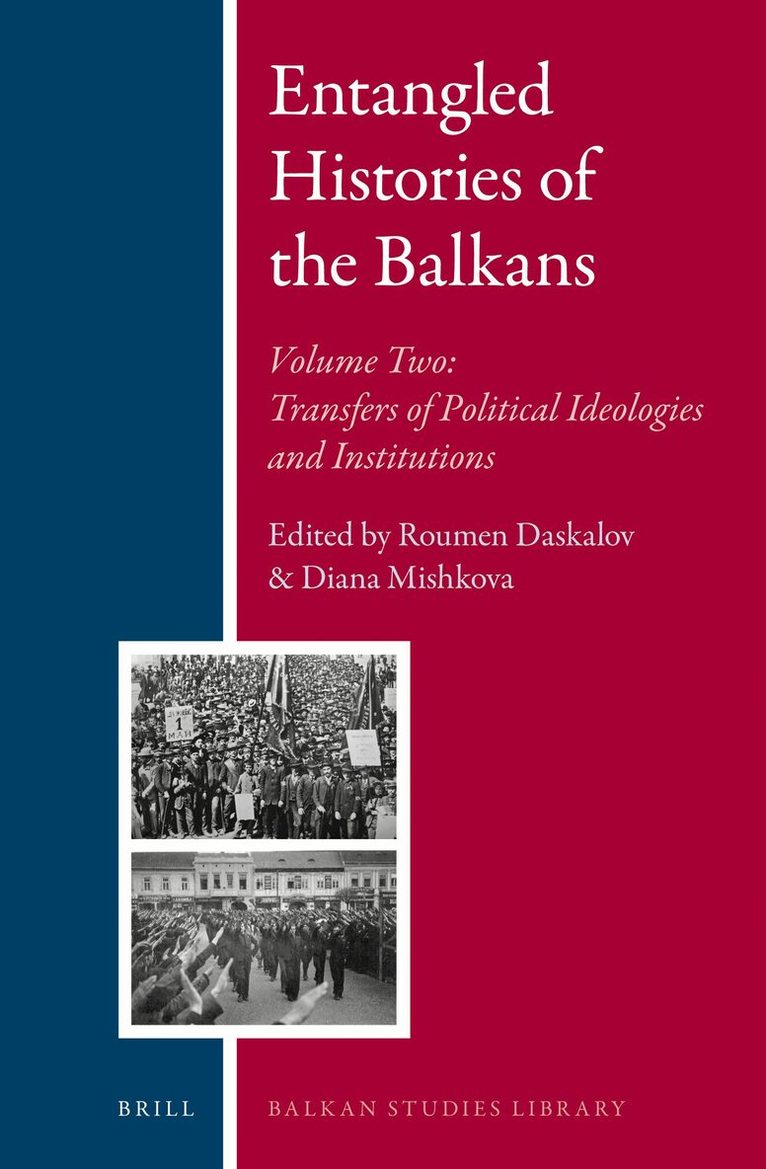
Entangled Histories of the Balkans - Volume Two
Roumen Daskalov, Diana Mishkova
Inbunden, 2013
3 969 kr
Del 16
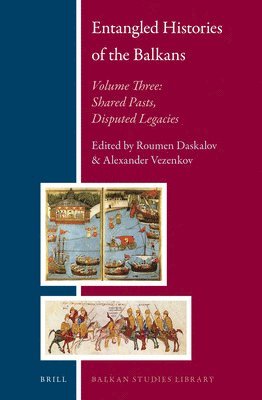
Entangled Histories of the Balkans - Volume Three
Roumen Daskalov, Alexander Vezenkov
Inbunden, 2015
4 359 kr
Hoppa över listan
Mer från samma serie
Del 1
Del 2
Del 3
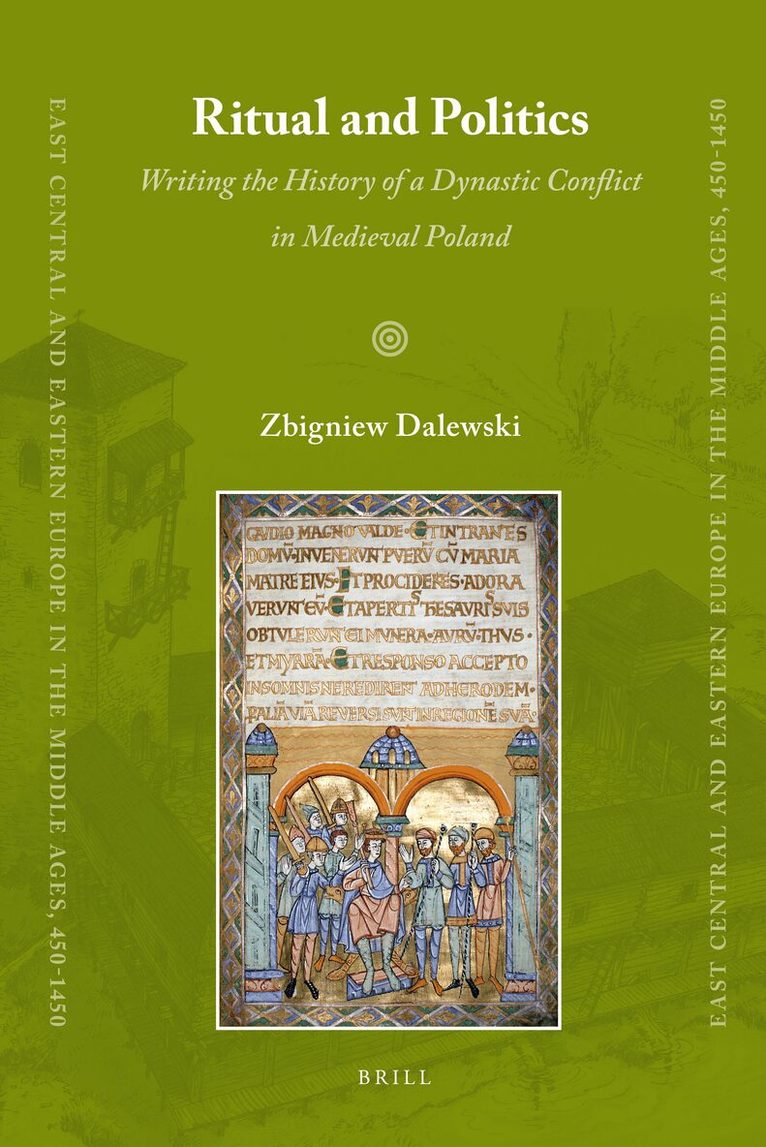
Ritual and Politics: Writing the History of a Dynastic Conflict in Medieval Poland
Zbigniew Dalewski
Inbunden, 2008
3 669 kr
Del 6
Romanians and the Turkic Nomads North of the Danube Delta from the Tenth to the Mid-Thirteenth Century
Victor Spinei
Inbunden, 2009
5 209 kr
Del 13
Del 7
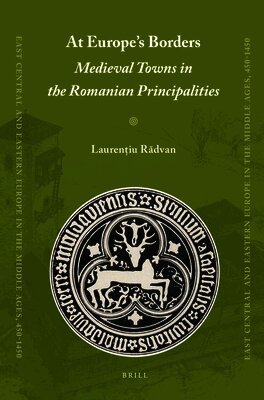
At Europe's Borders: Medieval Towns in the Romanian Principalities
Laurentiu Radvan
Inbunden, 2010
5 829 kr
Del 9
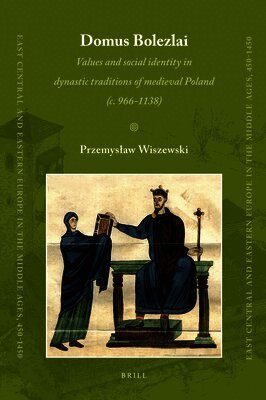
Domus Bolezlai: Values and social identity in dynastic traditions of medieval Poland (c.966-1138)
Przemyslaw Wiszewski
Inbunden, 2010
5 699 kr
Del 10
Del 21
Del 87
Hoppa över listan




Du kanske också är intresserad av
Elementary School Counseling
John C. Worzbyt, Kathleen O'Rourke, Claire Dandeneau
Inbunden, 2003
3 219 kr
Del 264
Technological Advances in Interactive Collaborative Learning
Nia Alexandrov, Raul Ramirez Velarde, Vassil Alexandrov
Inbunden, 2012
3 219 kr
7th International Congress International Association of Engineering Geology, volume 3
R. Oliveira
Inbunden, 1994
3 219 kr