
Del i serien Edinburgh Critical Studies in Romanticism
Mary Wollstonecraft
Cosmopolitan
Inbunden, Engelska, 2022
2 839 kr
Beställningsvara. Skickas inom 3-6 vardagar. Fri frakt för medlemmar vid köp för minst 249 kr.
Finns i fler format (1)
Considering her transformation of material from the works of European writers and orators such as Rousseau, Mirabeau, 'Stephanie-Felicite de Genlis, Christian Gotthilf Salzmann and Margareta de Cambon, as well as British sentimental philosophers and the radical theologian Richard Price, this book argues that Wollstonecraft espouses a cosmopolitan ethic that subordinates local and national allegiances to philanthropy, or love of humankind. At a time of international conflict, burgeoning capitalism and colonial enterprise, she represents philanthropy and cultural authenticity as the means to resist tyranny and imperialism in all their forms and light the way to global justice.
Produktinformation
- Utgivningsdatum2022-08-04
- Mått156 x 234 x 28 mm
- Vikt552 g
- FormatInbunden
- SpråkEngelska
- SerieEdinburgh Critical Studies in Romanticism
- Antal sidor288
- FörlagEdinburgh University Press
- ISBN9781399503099
Tillhör följande kategorier
Hoppa över listan

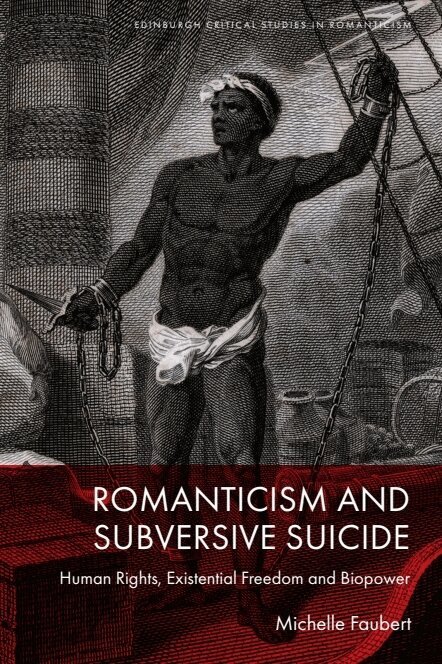
Mer från samma serie
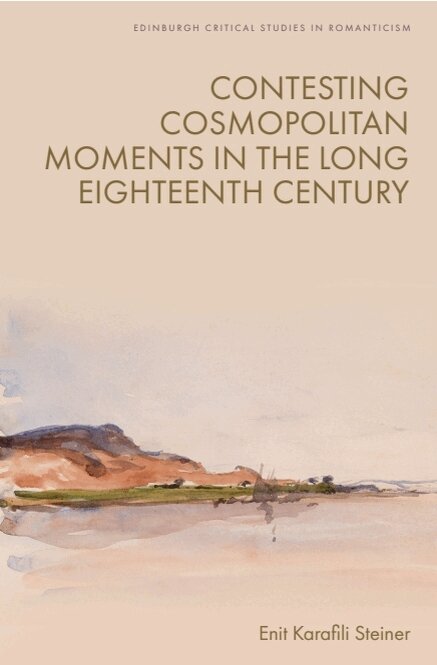
Contesting Cosmopolitan Moments in the Long Eighteenth Century
Enit Karafili Steiner
Inbunden, 2025
1 609 kr
Contesting Cosmopolitan Moments in the Long Eighteenth Century
Enit Karafili Steiner
Häftad, 2026
369 kr
Hoppa över listan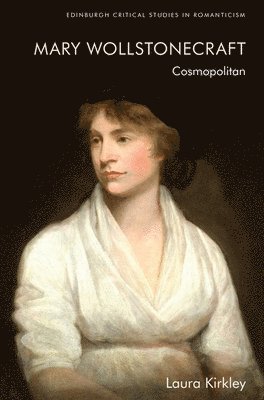





Du kanske också är intresserad av
- Nyhet
Del 3
- Nyhet
Del 11
- Nyhet
Del 6
- Nyhet
Del 4
Del 3
Del 1
Del 7