
Mapping Feminist International Relations in South Asia
Past and Present
Inbunden, Engelska, 2024
3 209 kr
Beställningsvara. Skickas inom 10-15 vardagar. Fri frakt för medlemmar vid köp för minst 249 kr.
This book provides a comprehensive overview of feminist international relations in South Asia. It highlights the key contentions, debates, and tensions in the field, and studies how the trajectory of feminist international relations in the region has been marked by dialogue, dissidence, and difference with the Global North. In doing so, the volume draws attention to different feminist histories, herstories, and differing ways of knowing, seeing, and doing global politics. It particularly foregrounds a feminist intersectional/ postcolonial lens to a diverse range of issues such as women, peace and the security agenda, populism and nationalism, militarism and militarisation, and underlines the rich textured contours of feminist epistemologies in South Asia. An important contribution, the book will be of great interest to scholars, teachers, and students of feminism, international relations, postcolonialism, women’s studies, gender studies, security studies, and South Asian studies.
Produktinformation
- Utgivningsdatum2024-12-30
- Mått156 x 234 x 18 mm
- Vikt500 g
- FormatInbunden
- SpråkEngelska
- Antal sidor234
- FörlagTaylor & Francis Ltd
- ISBN9781032946672
Tillhör följande kategorier
Hoppa över listan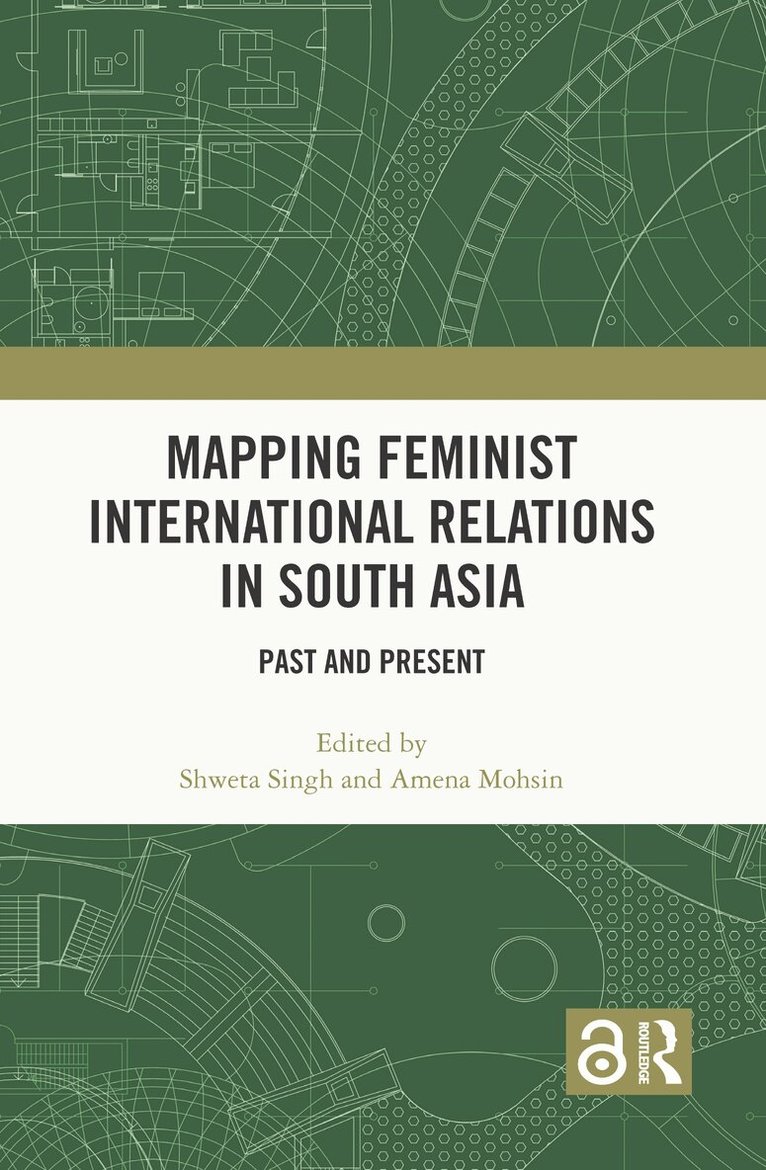







Du kanske också är intresserad av
Of the Nation Born – The Bangladesh Papers
Hameeda Hossain, Amena Mohsin, Hameeda Hossain, Amena Mohsin
Inbunden, 2016
409 kr
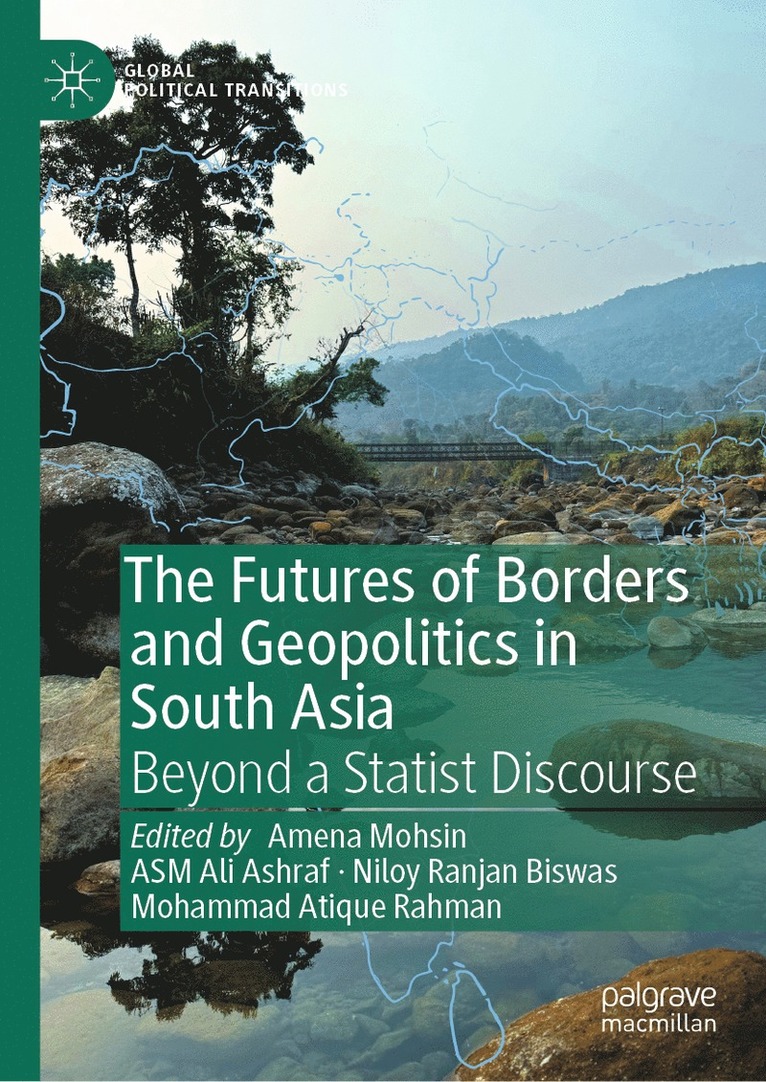
The Futures of Borders and Geopolitics in South Asia
Amena Mohsin, Asm Ali Ashraf, Niloy Ranjan Biswas, Mohammad Atique Rahman
Häftad, 2025
2 139 kr
Futures of Borders and Geopolitics in South Asia
Amena Mohsin, ASM Ali Ashraf, Niloy Ranjan Biswas, Mohammad Atique Rahman
Inbunden, 2024
2 139 kr