
Del i serien Emerald Studies in Death and Culture
Man-Eating Monsters
Anthropocentrism and Popular Culture
Inbunden, Engelska, 2019
1 239 kr
Beställningsvara. Skickas inom 5-8 vardagar. Fri frakt för medlemmar vid köp för minst 249 kr.
What role do man-eating monsters - vampires, zombies, werewolves and cannibals - play in contemporary culture? This book explores the question of whether recent representations of humans as food in popular culture characterizes a unique moment in Western cultural history and suggests a new set of attitudes toward people, monsters, animals, and death. This volume analyzes how previous epochs represented man-eating monsters and cannibalism. Cultural taboos across the world are explored and brought into perspective whilst we contemplate how the representations of humans as commodities can create a global atmosphere that creeps towards cannibalism as a norm. This book also explores the links between the role played by the animal rights movement in problematizing the difference between humans and nonhuman animals. Instead of looking at the relations between food, body, and culture, or the ways in which media images of food reach out to various constituencies and audiences, as some existing studies do, this collection is focused on the crucial question, of how and why popular culture representations diffuse the borders between monsters, people, and animals, and how this affects our ideas about what may and may not be eaten.
Produktinformation
- Utgivningsdatum2019-11-11
- Mått152 x 229 x 13 mm
- Vikt311 g
- FormatInbunden
- SpråkEngelska
- SerieEmerald Studies in Death and Culture
- Antal sidor136
- FörlagEmerald Publishing Limited
- ISBN9781787695283
Tillhör följande kategorier
Hoppa över listan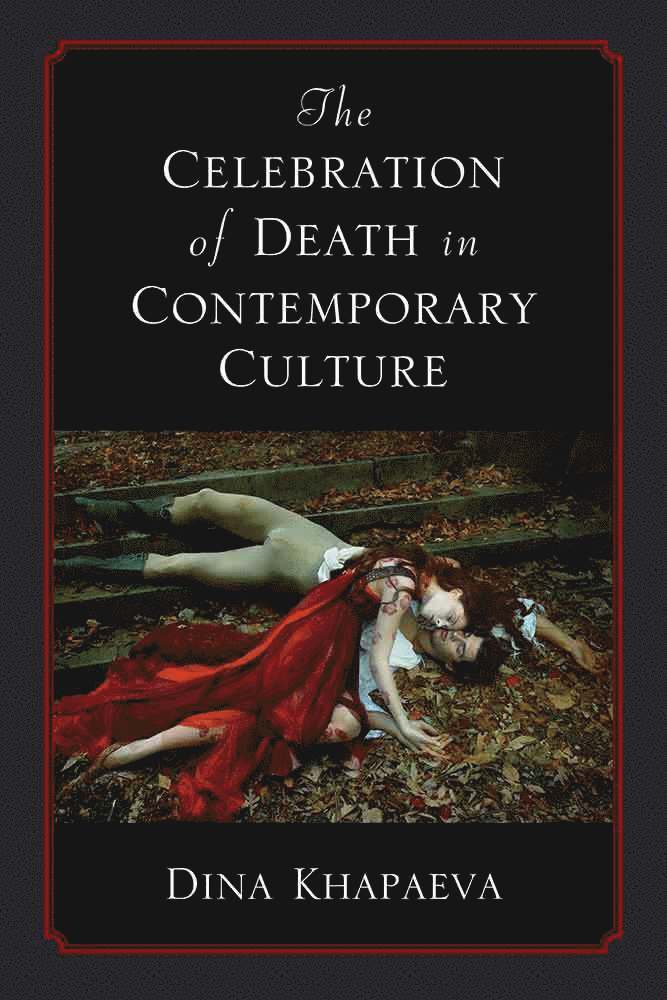
Du kanske också är intresserad av
Del 10
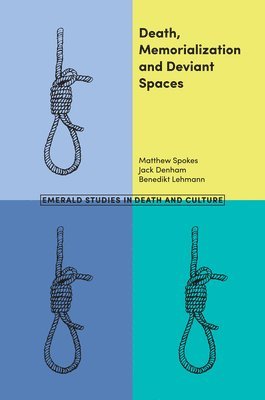
Death, Memorialization and Deviant Spaces
Matthew Spokes, Jack Denham, Benedikt Lehmann
Häftad, 2018
899 kr