
Del i serien New Studies in Modern Japan
Living Transnationally between Japan and Brazil
Routes beyond Roots
Häftad, Engelska, 2023
609 kr
Beställningsvara. Skickas inom 10-15 vardagar. Fri frakt för medlemmar vid köp för minst 249 kr.
Based on over two years of participant-observation in labor brokerage firms, factories, schools, churches, and people’s homes in Japan and Brazil, Sarah LeBaron von Baeyer presents an ethnographic portrait of what it means in practice to “live transnationally,” that is, to contend with the social, institutional, and aspirational landscapes bridging different national settings. Rather than view Japanese-Brazilian labor migrants and their families as somehow lost or caught between cultures, she demonstrates how they in fact find creative and flexible ways of belonging to multiple places at once. At the same time, the author pays close attention to the various constraints and possibilities that people face as they navigate other dimensions of their lives besides ethnic or national identity, namely, family, gender, class, age, work, education, and religion
Produktinformation
- Utgivningsdatum2023-04-03
- Mått150 x 229 x 20 mm
- Vikt386 g
- FormatHäftad
- SpråkEngelska
- SerieNew Studies in Modern Japan
- Antal sidor258
- FörlagBloomsbury Publishing Plc
- ISBN9781498580380
Tillhör följande kategorier
Hoppa över listan







Mer från samma serie
Haiku Poetics in Twentieth Century Avant-Garde Poetry
Jeffrey Johnson, Douglas Slaymaker
Inbunden, 2011
2 289 kr
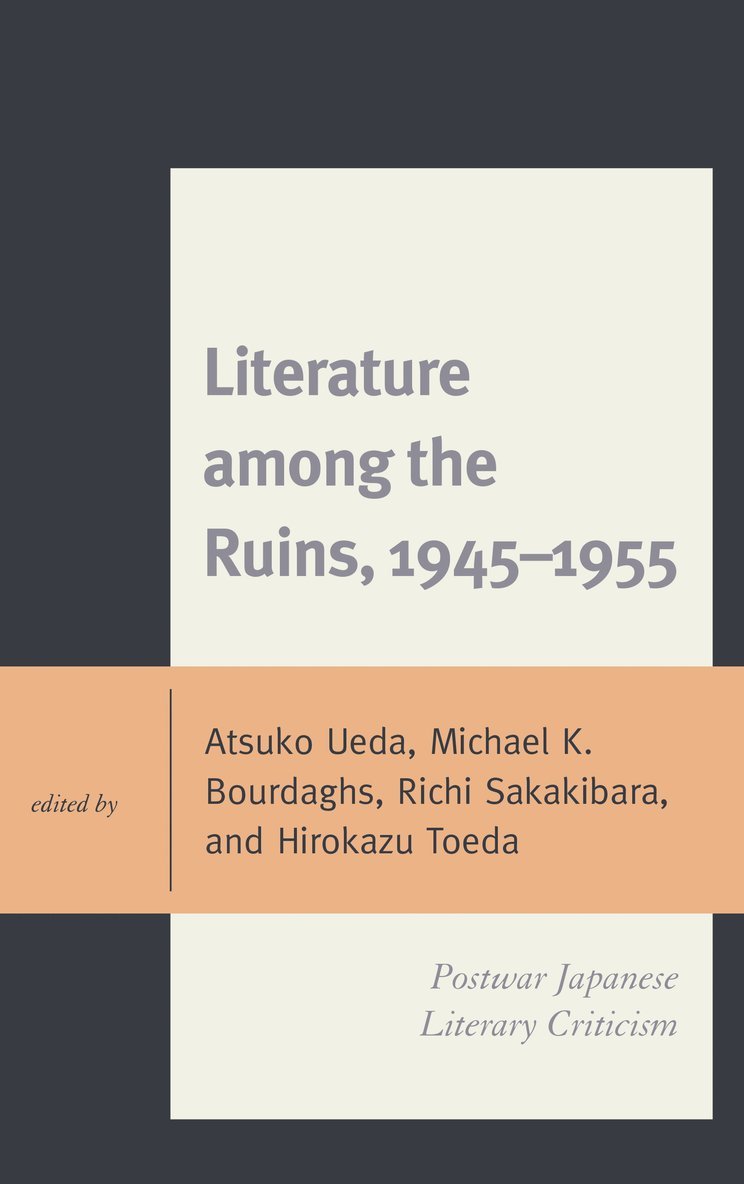
Literature among the Ruins, 1945–1955
Atsuko Ueda, Michael K. Bourdaghs, Richi Sakakibara, Hirokazu Toeda
Inbunden, 2018
1 879 kr
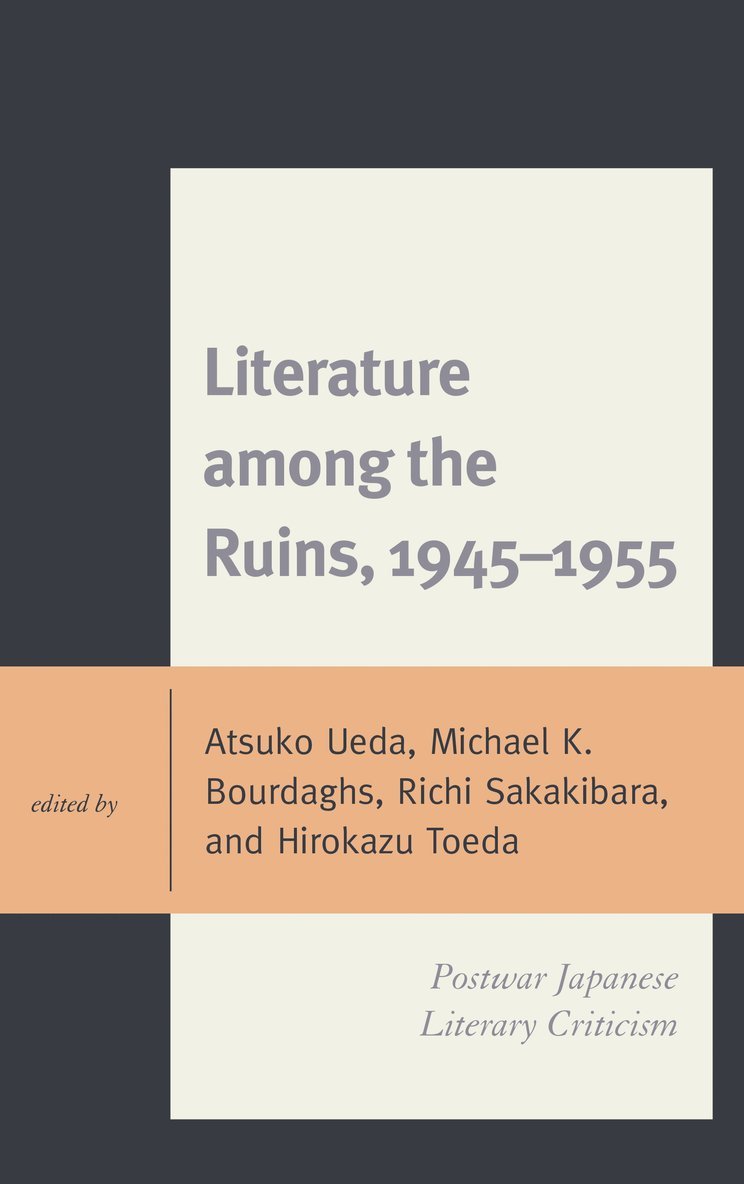
Literature among the Ruins, 1945–1955
Atsuko Ueda, Michael K. Bourdaghs, Richi Sakakibara, Hirokazu Toeda
Häftad, 2020
799 kr
Hoppa över listan






Du kanske också är intresserad av
Creating Japan's Ground Self-Defense Force, 1945–2015
David Hunter-Chester, Douglas Slaymaker
Häftad, 2018
809 kr
Japanese Mission to Seventeenth-Century Rome
Kathryn M. Lucchese, Douglas Slaymaker
Inbunden, 2024
1 589 kr