
Lisbon Rising
Urban Social Movements in the Portuguese Revolution, 1974–75
Inbunden, Engelska, 2013
1 599 kr
Beställningsvara. Skickas inom 11-20 vardagar. Fri frakt för medlemmar vid köp för minst 249 kr.
Lisbon rising explores the role of a widespread urban social movement in the revolutionary process that accompanied Portugal’s transition from authoritarianism to democracy. It is the first in-depth study of the widest urban movement of the European post-war period, an event that shook the balance of Cold War politics by threatening the possibility of revolution in Western Europe. Using hitherto unknown sources produced by movement organisations themselves, it challenges long-established views of civil society in Southern Europe as weak, arguing that popular movements had an important and autonomous role in the process that led to democratisation, inviting us to rethink the history and theories of transitions in the region in ways that account for popular agency.Lisbon rising will be of interest not only to students of twentieth-century European history, but across disciplines to students of democratisation, social movements and citizenship in political science and sociology.
Produktinformation
- Utgivningsdatum2013-09-30
- Mått138 x 234 x 26 mm
- Vikt560 g
- FormatInbunden
- SpråkEngelska
- Antal sidor272
- FörlagManchester University Press
- ISBN9780719085444
Tillhör följande kategorier
Hoppa över listan

Mer från samma författare
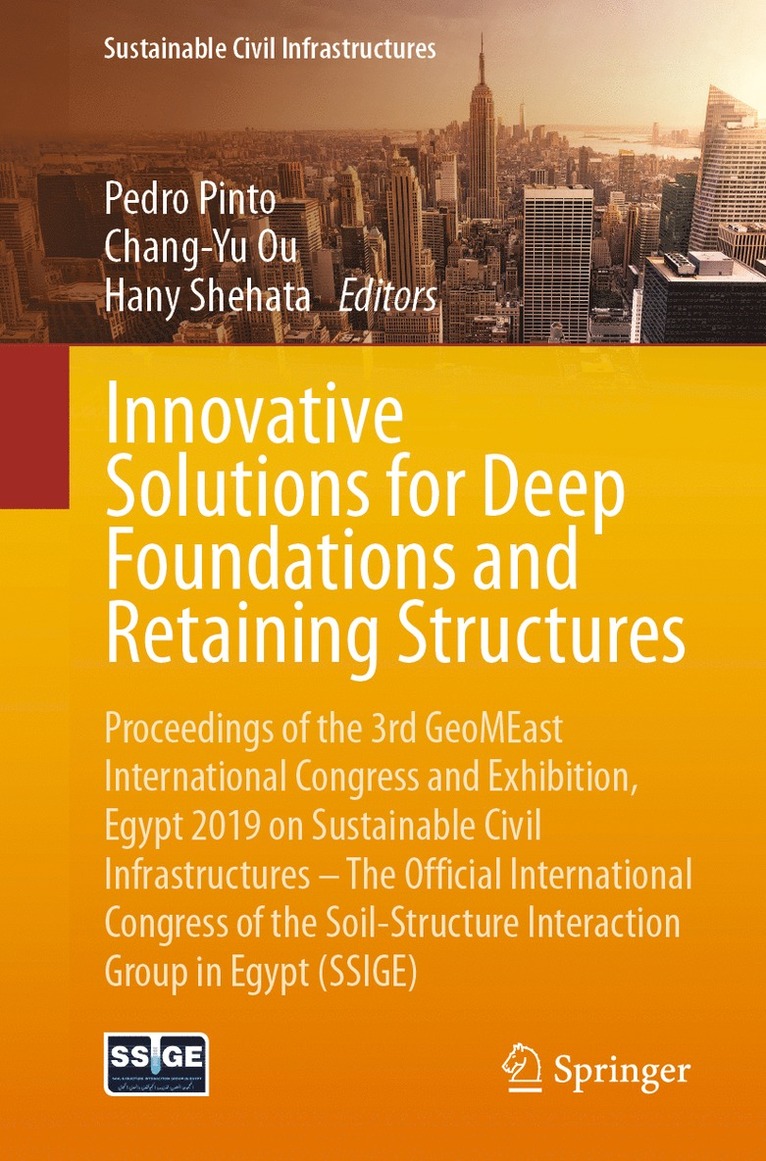
Innovative Solutions for Deep Foundations and Retaining Structures
Pedro Pinto, Chang-Yu Ou, Hany Shehata
Häftad, 2019
1 439 kr
Hoppa över listan





Du kanske också är intresserad av
Innovative Solutions for Deep Foundations and Retaining Structures
Pedro Pinto, Chang-Yu Ou, Hany Shehata
Häftad, 2019
1 439 kr
- Nyhet
Del 3
- Nyhet
Del 11
- Nyhet
Del 4
- Nyhet
Del 4
Del 1
- Nyhet
Del 6