
Del i serien Language In Social Life
Linguistics and Aphasia
Psycholinguistic and Pragmatic Aspects of Intervention
Inbunden, Engelska, 2017
4 049 kr
Beställningsvara. Skickas inom 10-15 vardagar. Fri frakt för medlemmar vid köp för minst 249 kr.
Linguistics and Aphasia is a major study of recent developments in applying psycholinguistics and pragmatics to the study of acquired language disorders (aphasia) and their remediation. Psycholinguistic analyses of aphasia interpret disorders in terms of damaged modules and processes within what was once a normal language system. These analyses have progressed to the point that they now routinely provide a model-based rationalefor planning patient therapy. Through a series of case studies, the authors show how the psycholinguistic analysis of aphasia can be assessed for its effectiveness in clinical practice.Pragmatic approaches to the study of aphasia are of more recent origin. Ruth Lesser and Lesley Milroy evaluate their considerable significance to the study of aphasia and their relevance to practical issues of diagnosis and treatment. Controversial analysis, in particular, offers a fruitful and productive framework within which to assess the functional adequacy of the language used by aphasic speakers in everyday contexts.
Produktinformation
- Utgivningsdatum2017-07-28
- Mått138 x 216 x 27 mm
- Vikt453 g
- FormatInbunden
- SpråkEngelska
- SerieLanguage In Social Life
- Antal sidor396
- FörlagTaylor & Francis Ltd
- ISBN9781138457645
Tillhör följande kategorier
Hoppa över listan
Mer från samma författare
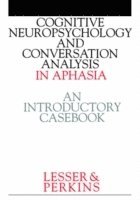
Cognitive Neuropsychology and and Conversion Analysis in Aphasia - An Introductory Casebook
Ruth Lesser, Lisa Perkins
Häftad, 1999
1 349 kr
Hoppa över listan





Mer från samma serie
Achieving Understanding
Celia Roberts, Peter Broeder, Marie-Therese Vasseur, Margaret Simnot, Katharina Bremer
Häftad, 1996
699 kr
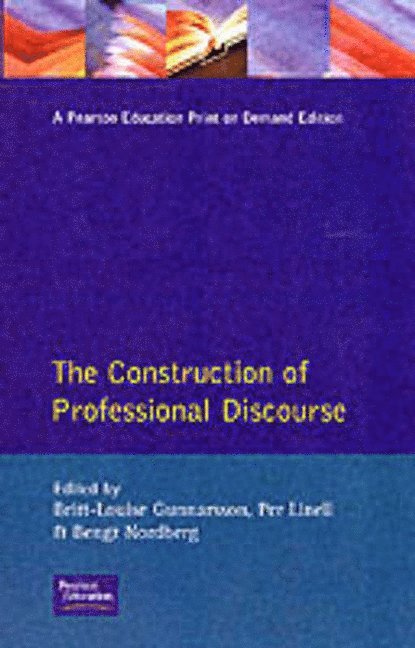
The Construction of Professional Discourse
B.L. Gunnarsson, Per Linell, Bengt Nordberg
Häftad, 1997
1 359 kr
Hoppa över listan



Du kanske också är intresserad av
Cognitive Neuropsychology and and Conversion Analysis in Aphasia - An Introductory Casebook
Ruth Lesser, Lisa Perkins
Häftad, 1999
1 349 kr