
Del i serien Library of Wales
Library of Wales: Black Parade
Häftad, Engelska, 2009
159 kr
Skickas . Fri frakt för medlemmar vid köp för minst 249 kr.
One of Merthyr’s Victorian brickyard girls, Saran watches the world parade past her doorstep on the banks of the stinking and rat-infested Morlais Brook: the fair-day revellers; the chapel-goers and the funeral processions. She never misses a trip to the town’s wooden theatres, despite her life ruled by the 5 a.m. hooter, pit strikes, politics and the First World War that takes away so many of her children. Her Glyn will work a treble shift for beer money; her brother Harry is the district’s most notorious drinker and fighter until he is ‘saved’. The town changes and grows but Saran is still there for Glyn, for Harry, for her children and grandchildren.In his 1935 novel Black Parade, writer, soldier and political activist Jack Jones creates a superbly riotous, clear and unsentimental picture of Merthyr life as his home town reels headlong into the twentieth century.
Produktinformation
- Utgivningsdatum2009-08-25
- Mått135 x 215 x 25 mm
- Vikt422 g
- FormatHäftad
- SpråkEngelska
- SerieLibrary of Wales
- Antal sidor426
- FörlagParthian Books
- ISBN9781906998141
Tillhör följande kategorier
Hoppa över listan

Mer från samma författare
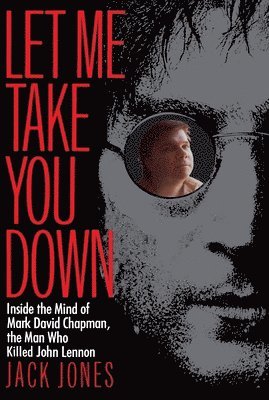
Let Me Take You Down: Inside the Mind of Mark David Chapman, the Man Who Killed John Lennon
Jack Jones
Häftad, 1992
359 kr
Del 2
Hoppa över listan
Du kanske också är intresserad av
Let Me Take You Down: Inside the Mind of Mark David Chapman, the Man Who Killed John Lennon
Jack Jones
Häftad, 1992
359 kr
Del 2