
Legacy of Isocrates and a Platonic Alternative
Political Philosophy and the Value of Education
Häftad, Engelska, 2020
849 kr
Beställningsvara. Skickas inom 10-15 vardagar. Fri frakt för medlemmar vid köp för minst 249 kr.
Finns i fler format (1)
Bringing together the history of educational philosophy, political philosophy, and rhetoric, this book examines the influence of the philosopher Isocrates on educational thought and the history of education. Unifying philosophical and historical arguments, Muir discusses the role of Isocrates in raising two central questions: What is the value of education? By what methods ought the value of education to be determined? Tracing the historical influence of Isocrates’ ideas of the nature and value of education from Antiquity to the modern era, Muir questions normative assumptions about the foundations of education and considers the future status of education as an academic discipline.
Produktinformation
- Utgivningsdatum2020-06-30
- Mått152 x 229 x 26 mm
- Vikt421 g
- FormatHäftad
- SpråkEngelska
- SerieRoutledge International Studies in the Philosophy of Education
- Antal sidor298
- FörlagTaylor & Francis Ltd
- ISBN9780367588342
Tillhör följande kategorier
Hoppa över listan
Mer från samma serie
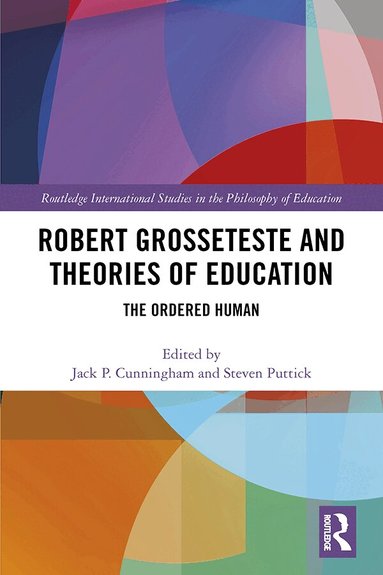
Robert Grosseteste and Theories of Education
Jack P. Cunningham, Steven Puttick
Inbunden, 2019
3 249 kr
Hoppa över listan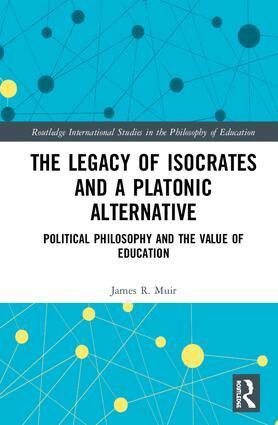





Du kanske också är intresserad av
- Nyhet
Del 7
- Nyhet
Del 6
- Nyhet
Del 4
- Nyhet
Del 3
- Nyhet
- Nyhet
Del 11
- Nyhet
Del 3