
Legacies of a Hawaiian Generation
From Territorial Subject to American Citizen
Inbunden, Engelska, 2013
2 449 kr
Beställningsvara. Skickas inom 5-8 vardagar. Fri frakt för medlemmar vid köp för minst 249 kr.
Finns i fler format (1)
Through the voices and perspectives of the members of an extended Hawaiian family, or `ohana, this book tells the story of North American imperialism in Hawai`i from the Great Depression to the new millennium. The family members offer their versions of being “Native Hawaiian” in an American state, detailing the ways in which US laws, policies, and institutions made, and continue to make, an impact on their daily lives. The book traces the ways that Hawaiian values adapted to changing conditions under a Territorial regime and then after statehood. These conditions involved claims for land for Native Hawaiian Homesteads, education in American public schools, military service, and participation in the Hawaiian cultural renaissance. Based on fieldwork observations, kitchen table conversations, and talk-stories, or mo`olelo, this book is a unique blend of biography, history, and anthropological analysis.
Produktinformation
- Utgivningsdatum2013-09-01
- Mått152 x 229 x 18 mm
- Vikt494 g
- FormatInbunden
- SpråkEngelska
- Antal sidor238
- FörlagBerghahn Books
- ISBN9781782380115
Tillhör följande kategorier
Hoppa över listan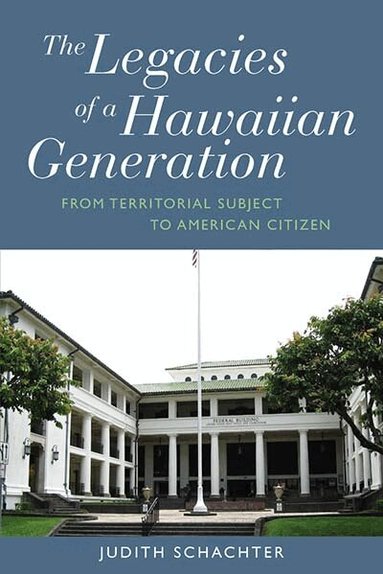






Du kanske också är intresserad av
- Nyhet
Del 7
- Nyhet
Del 11
- Nyhet
Del 4
- Nyhet
Del 6
- Nyhet
Del 3
- Nyhet
- Nyhet