
Del i serien Toronto Studies in Medieval Law
Least of My Brethren
Domingo De Soto on Poverty and Property
Inbunden, Engelska, 2026
969 kr
Beställningsvara. Skickas inom 5-8 vardagar. Fri frakt för medlemmar vid köp för minst 249 kr.
As pauperism and begging dramatically increased throughout Europe in the sixteenth century, poverty began to be treated as the object of governmental regulation rather than of individual benevolence. The new approach – which has been viewed as the early glimmering of the modern welfare state – aroused much controversy. This book presents translations of Domingo de Soto’s intervention in the controversy (In Causa Pauperum Deliberatio), as well as of his treatments of poverty and property in his magisterial De Iustitia et Iure and elsewhere. Accompanying the translations is an extensive introductory essay that analyses the juridical significance of Soto’s reflections on rights, poverty, and property. Among other matters, the introductory essay elucidates Soto’s notion of the right to beg, as well as the different ways to conceptualize the relationship between extreme necessity and private property. Throughout, Soto’s views are presented in the light of other scholastic thinkers from whom he drew, or with whom he disagreed, or who explicated his ideas. The essay also notes connections to the thought of the great Dutch jurist of the next century, Hugo Grotius.Legal theorist and classicist Ernest Weinrib brings together the disciplines to illuminate Soto’s role in the intellectual history of poverty and of its relation to private property.
Produktinformation
- Utgivningsdatum2026-05-12
- Mått159 x 235 x 19 mm
- Vikt460 g
- FormatInbunden
- SpråkEngelska
- SerieToronto Studies in Medieval Law
- Antal sidor256
- FörlagUniversity of Toronto Press
- ISBN9781049801346
Tillhör följande kategorier
Hoppa över listan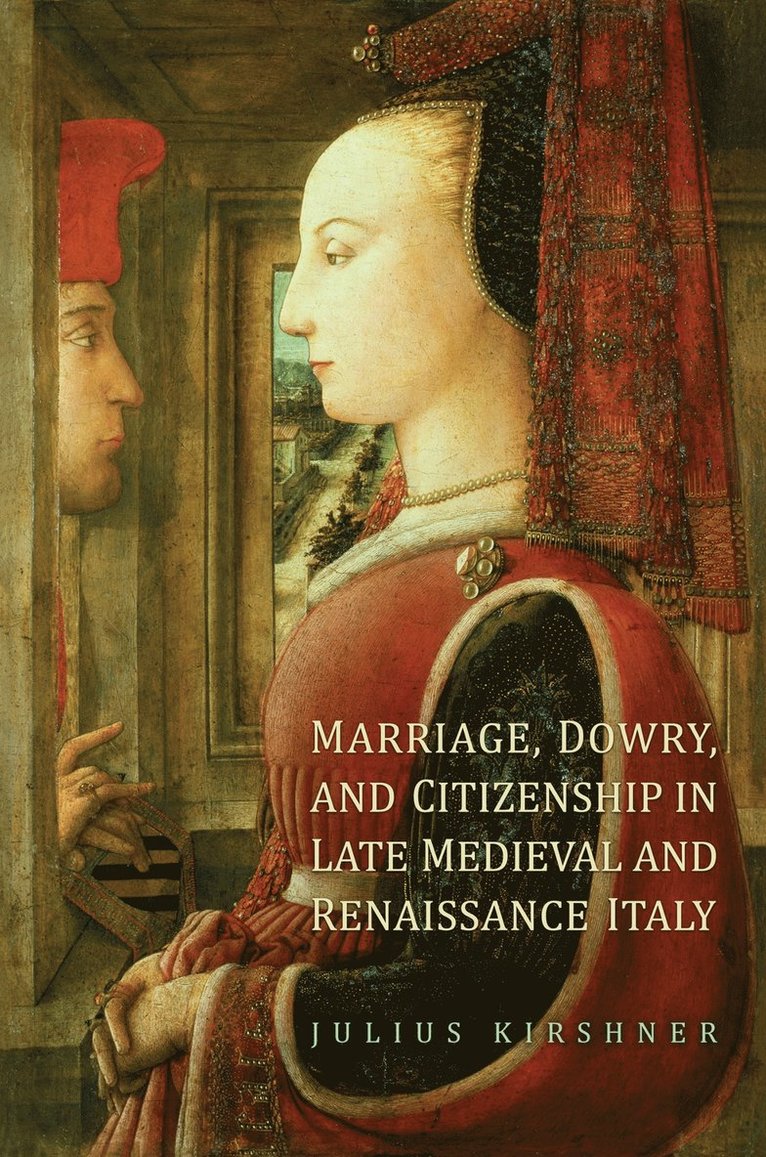
Mer från samma serie
Marriage, Dowry, and Citizenship in Late Medieval and Renaissance Italy
Julius Kirshner
Häftad, 2015
619 kr
Hoppa över listan


Du kanske också är intresserad av
Marriage, Dowry, and Citizenship in Late Medieval and Renaissance Italy
Julius Kirshner
Häftad, 2015
619 kr