
Del i serien The International African Library
Learning Morality, Inequalities, and Faith
Christian and Muslim Schools in Tanzania
Häftad, Engelska, 2024
659 kr
Beställningsvara. Skickas inom 5-8 vardagar. Fri frakt för medlemmar vid köp för minst 249 kr.
Finns i fler format (1)
Christian and Muslim schools have become important target points in families and pupils' quests for new study opportunities and securing a 'good life' in Tanzania. These schools combine secular education with the moral (self-)formation of young people, triggering new realignments of the fields of education with interreligious co-existence and class formation in the country's urban centres. Hansjörg Dilger explores the emerging entanglements of faith, morality, and the educational market in Dar es Salaam, thereby shedding light on processes of religious institutionalisation and their individual and collective embodiment. By contextualising these dynamics through analysis of the politics of Christian-Muslim relations in postcolonial Tanzania, this book shows how the field of education has shaped the positions of these highly diverse religious communities in diverging ways. In doing so, Dilger suggests that students and teachers' religious experience and practice in faith-oriented schools are shaped by the search for socio-moral belonging as well as by the power relations and inequalities of an interconnected world.
Produktinformation
- Utgivningsdatum2024-07-04
- Mått152 x 229 x 15 mm
- Vikt382 g
- FormatHäftad
- SpråkEngelska
- SerieThe International African Library
- Antal sidor282
- FörlagCambridge University Press
- ISBN9781009077972
Tillhör följande kategorier
Hoppa över listan


Mer från samma författare
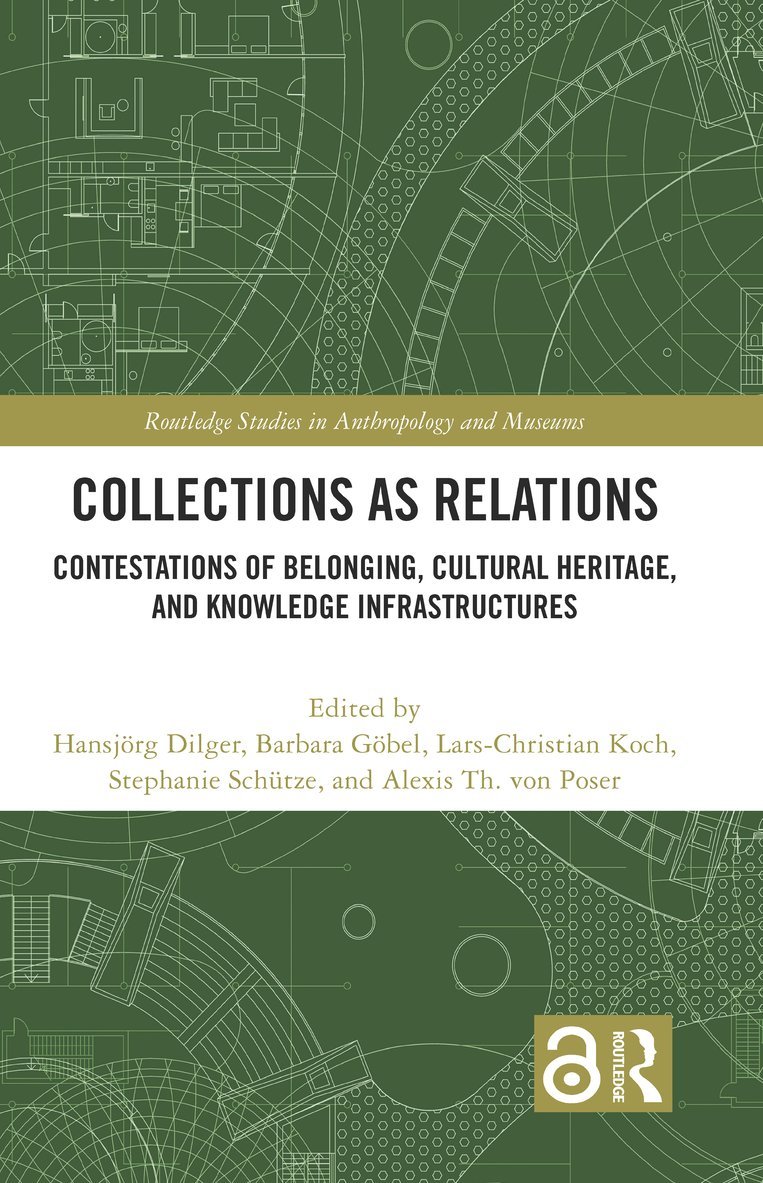
Collections as Relations
Hansjörg Dilger, Barbara Göbel, Lars-Christian Koch, Stephanie Schütze, Alexis von Poser
Inbunden, 2024
2 809 kr
Collections as Relations
Hansjörg Dilger, Barbara Göbel, Lars-Christian Koch, Stephanie Schütze, Alexis von Poser
Häftad, 2026
899 kr
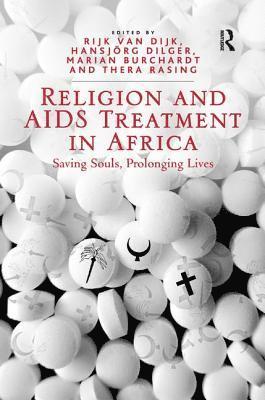
Religion and AIDS Treatment in Africa
Hansjörg Dilger, Thera Rasing, Rijk van Dijk
Inbunden, 2014
1 949 kr
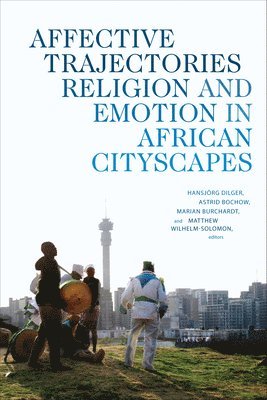
Affective Trajectories
Hansjörg Dilger, Astrid Bochow, Marian Burchardt, Matthew Wilhelm-Solomon
Inbunden, 2020
2 039 kr
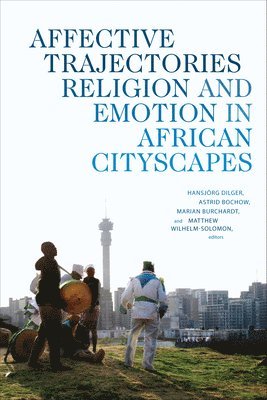
Affective Trajectories
Hansjörg Dilger, Astrid Bochow, Marian Burchardt, Matthew Wilhelm-Solomon
Häftad, 2020
499 kr
Hoppa över listan

Du kanske också är intresserad av
Affective Trajectories
Hansjörg Dilger, Astrid Bochow, Marian Burchardt, Matthew Wilhelm-Solomon
Inbunden, 2020
2 039 kr
Collections as Relations
Hansjörg Dilger, Barbara Göbel, Lars-Christian Koch, Stephanie Schütze, Alexis von Poser
Inbunden, 2024
2 809 kr
Religion and AIDS Treatment in Africa
Hansjörg Dilger, Thera Rasing, Rijk van Dijk
Inbunden, 2014
1 949 kr
Collections as Relations
Hansjörg Dilger, Barbara Göbel, Lars-Christian Koch, Stephanie Schütze, Alexis von Poser
Häftad, 2026
899 kr