
Law and Truth
Häftad, Engelska, 1999
989 kr
Beställningsvara. Skickas inom 5-8 vardagar. Fri frakt för medlemmar vid köp för minst 249 kr.
Finns i fler format (1)
Taking up a single question--"What does it mean to say a proposition of law is true?"--this book advances a major new account of truth in law. Drawing upon the later philosophy of Wittgenstein, as well as more recent postmodern theory of the relationship between language, meaning, and the world, Patterson examines leading contemporary jurisprudential approaches to this question and finds them flawed in similar and previously unnoticed ways. He offers a powerful alternative account of legal justification, one in which linguistic practice--the use of forms of legal argument--holds the key to legal meaning.
Produktinformation
- Utgivningsdatum1999-11-04
- Mått155 x 231 x 12 mm
- Vikt295 g
- FormatHäftad
- SpråkEngelska
- Antal sidor200
- FörlagOUP USA
- ISBN9780195132472
Tillhör följande kategorier
Hoppa över listan

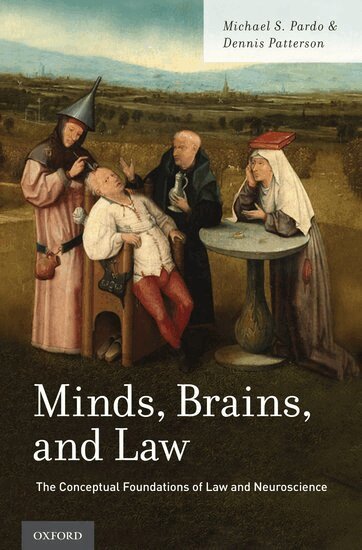




Mer från samma författare
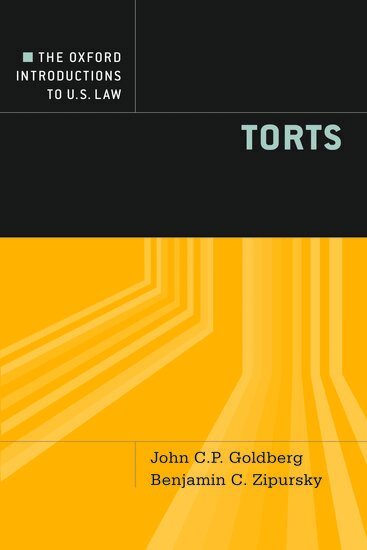
The Oxford Introductions to U.S. Law
John C.P. Goldberg, Benjamin C. Zipursky, Dennis Patterson
Häftad, 2010
599 kr
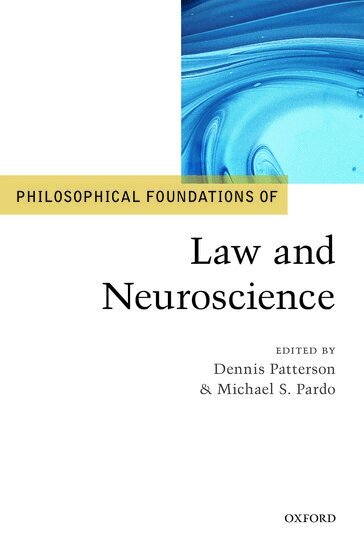
Philosophical Foundations of Law and Neuroscience
Dennis Patterson, Dennis Patterson, Michael S. Pardo
Inbunden, 2016
1 889 kr
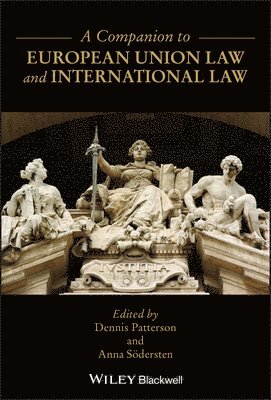
Companion to European Union Law and International Law
Dennis Patterson, Anna Södersten
Inbunden, 2016
3 079 kr
Hoppa över listan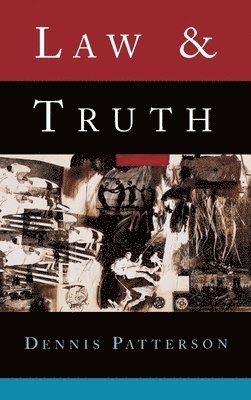

Du kanske också är intresserad av
Companion to European Union Law and International Law
Dennis Patterson, Anna Södersten
Häftad, 2020
699 kr
The Oxford Introductions to U.S. Law
John C.P. Goldberg, Benjamin C. Zipursky, Dennis Patterson
Häftad, 2010
599 kr