
Killer Commodities
Public Health and the Corporate Production of Harm
Inbunden, Engelska, 2008
2 239 kr
Beställningsvara. Skickas inom 10-15 vardagar. Fri frakt för medlemmar vid köp för minst 249 kr.
Finns i fler format (1)
Killer Commodities enters the increasingly heated debate regarding consumer culture with a critical examination of the relationship between corporate production of goods for profit and for public health. This collection analyzes the nature and public health impact of a wide range of dangerous commercial products from around the world, and it addresses the question of how policies should be changed to better protect the public, workers, and the environment.
Produktinformation
- Utgivningsdatum2008-08-15
- Mått160 x 237 x 22 mm
- Vikt821 g
- FormatInbunden
- SpråkEngelska
- Antal sidor438
- FörlagAltaMira Press
- ISBN9780759109780
Tillhör följande kategorier
Hoppa över listan
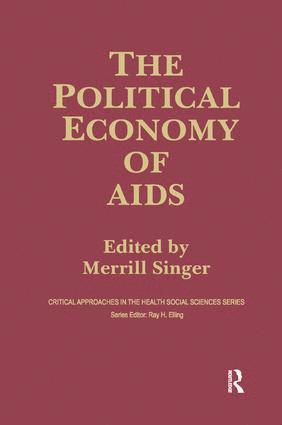

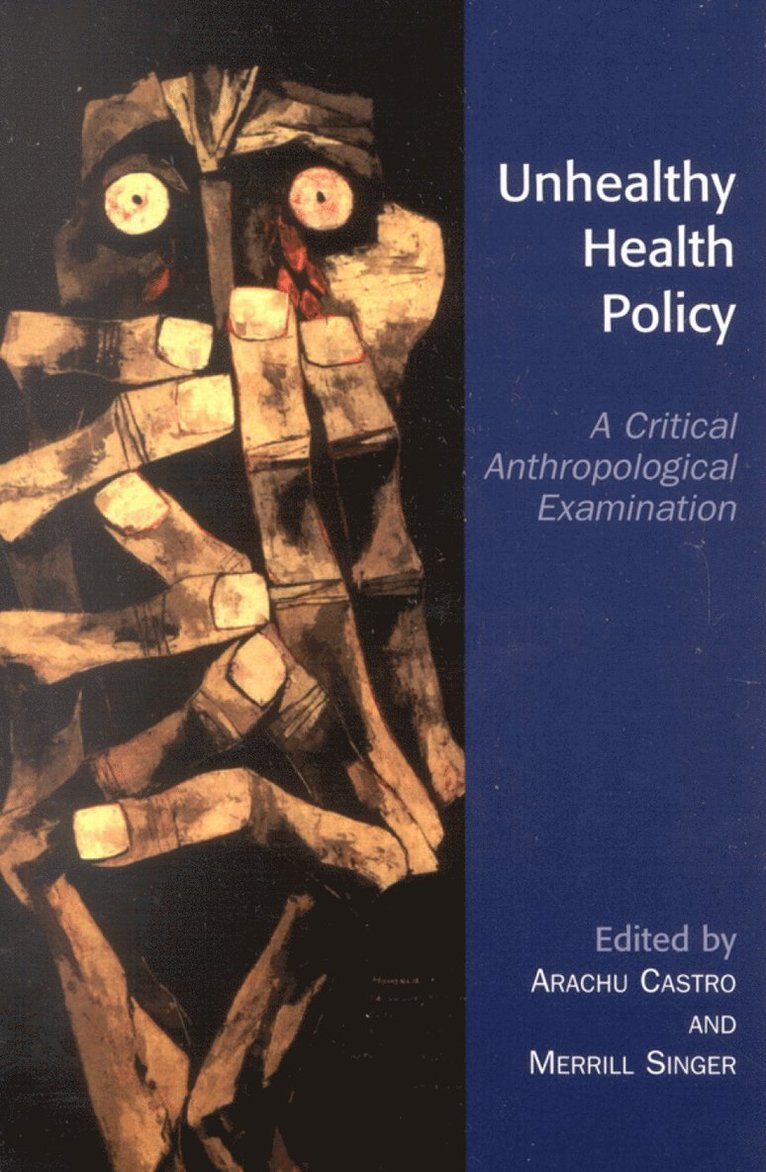




Mer från samma författare
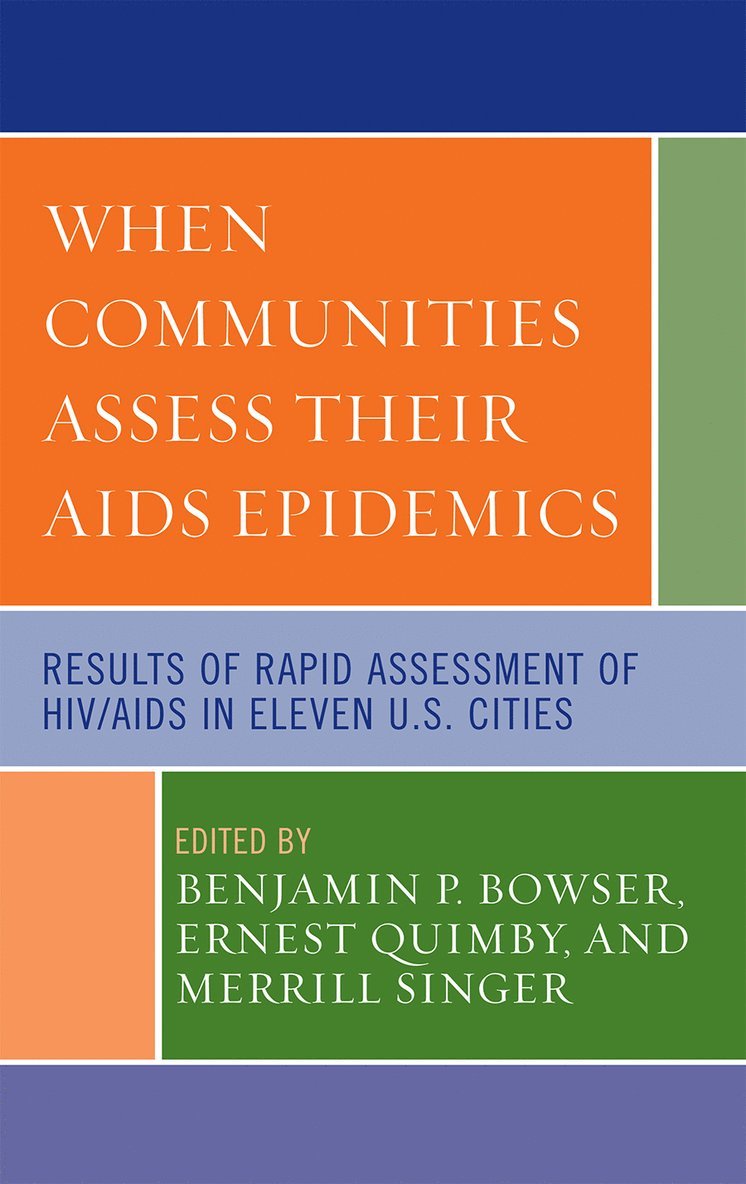
When Communities Assess their AIDS Epidemics
Benjamin P. Bowser, Ernest Quimby, Merrill Singer
Inbunden, 2007
2 049 kr
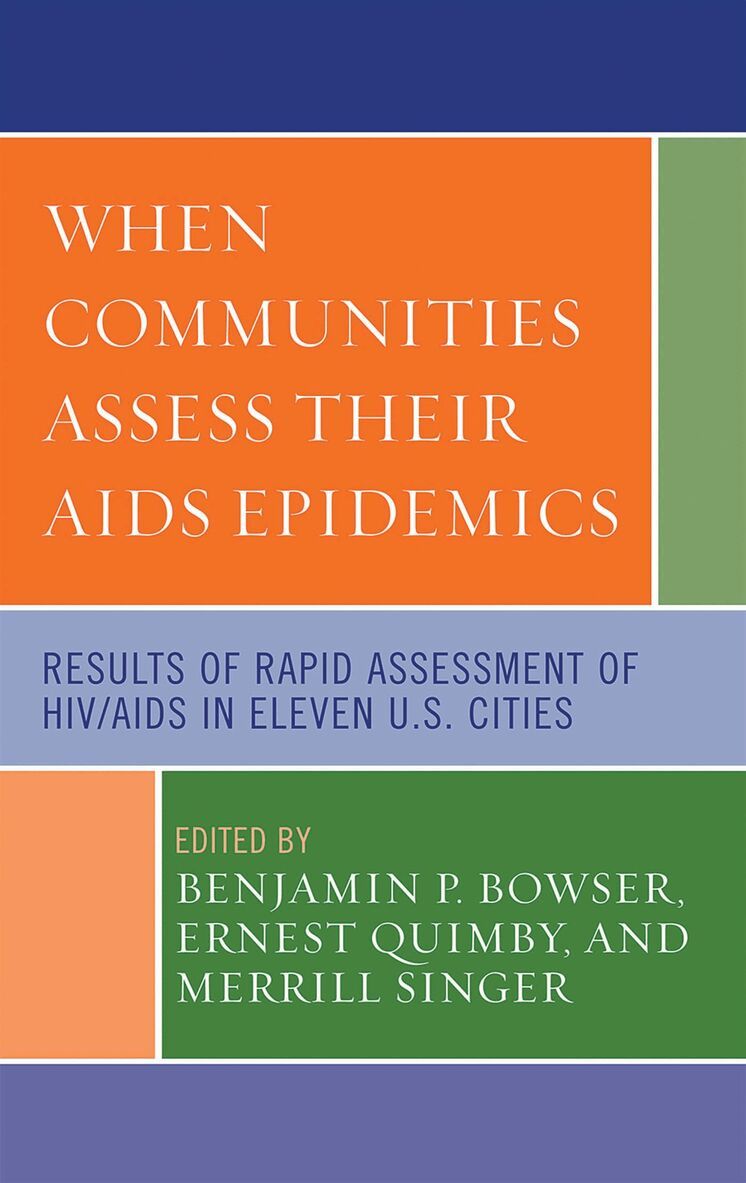
When Communities Assess their AIDS Epidemics
Benjamin P. Bowser, Ernest Quimby, Merrill Singer
Häftad, 2008
909 kr
African-American Religion in the Twentieth Century: Varieties of Protest and Accommodation
Hans A. Baer, Merrill Singer
Inbunden
739 kr
Hoppa över listan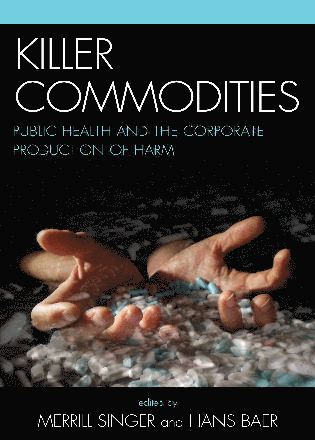





Du kanske också är intresserad av
African-American Religion in the Twentieth Century: Varieties of Protest and Accommodation
Hans A. Baer, Merrill Singer
Inbunden
739 kr
Medical Anthropology and the World System
Hans A. Baer, Merrill Singer, Ida Susser
Inbunden, 2013
1 089 kr
Building the Critical Anthropology of Climate Change
Hans A. Baer, Merrill Singer
Inbunden, 2024
3 209 kr
Introducing Health Anthropology
Merrill Singer, Hans A. Baer, Debbi Long, Alex Pavlotski
Häftad, 2025
769 kr
Introducing Health Anthropology
Merrill Singer, Hans A. Baer, Debbi Long, Alex Pavlotski
Inbunden, 2025
2 079 kr