
Del i serien Philosophy of Religion
Kierkegaard and the Self Before God
Anatomy of the Abyss
Häftad, Engelska, 2011
389 kr
Beställningsvara. Skickas inom 5-8 vardagar. Fri frakt för medlemmar vid köp för minst 249 kr.
Simon D. Podmore claims that becoming a self before God is both a divine gift and an anxious obligation. Before we can know God, or ourselves, we must come to a moment of recognition. How this comes to be, as well as the terms of such acknowledgment, are worked out in Podmore's powerful new reading of Kierkegaard. As he gives full consideration to Kierkegaard's writings, Podmore explores themes such as despair, anxiety, melancholy, and spiritual trial, and how they are broken by the triumph of faith, forgiveness, and the love of God. He confronts the abyss between the self and the divine in order to understand how we can come to know ourselves in relation to a God who is apparently so wholly Other.
Produktinformation
- Utgivningsdatum2011-02-01
- Mått152 x 229 x 16 mm
- Vikt435 g
- FormatHäftad
- SpråkEngelska
- SeriePhilosophy of Religion
- Antal sidor280
- FörlagIndiana University Press
- ISBN9780253222824
Tillhör följande kategorier
Hoppa över listan
Mer från samma författare
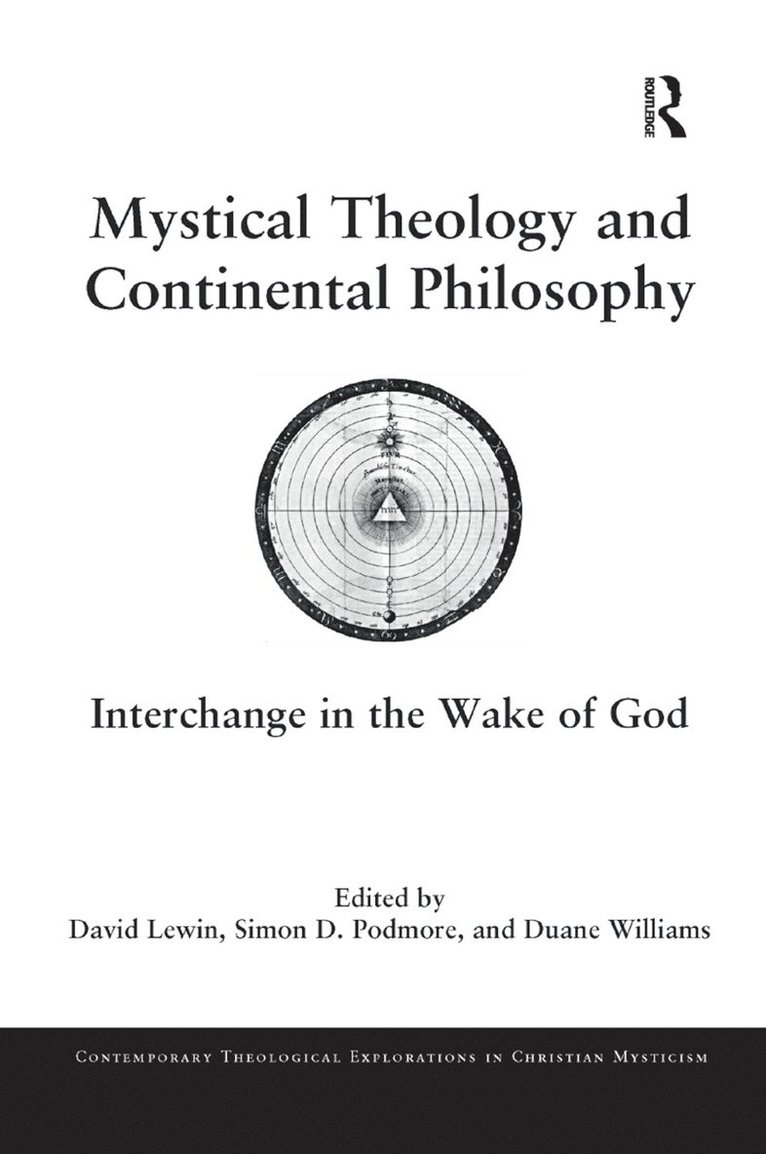
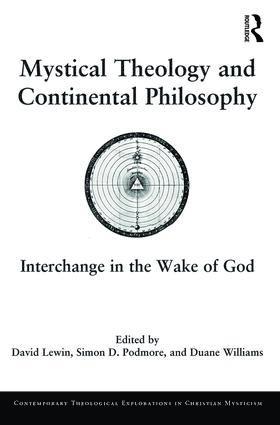
Mystical Theology and Continental Philosophy
David Lewin, Simon D. Podmore, Duane Williams
Häftad, 2019
899 kr
Christian Mysticism and Incarnational Theology
Louise Nelstrop, Simon D. Podmore
Inbunden, 2013
3 509 kr
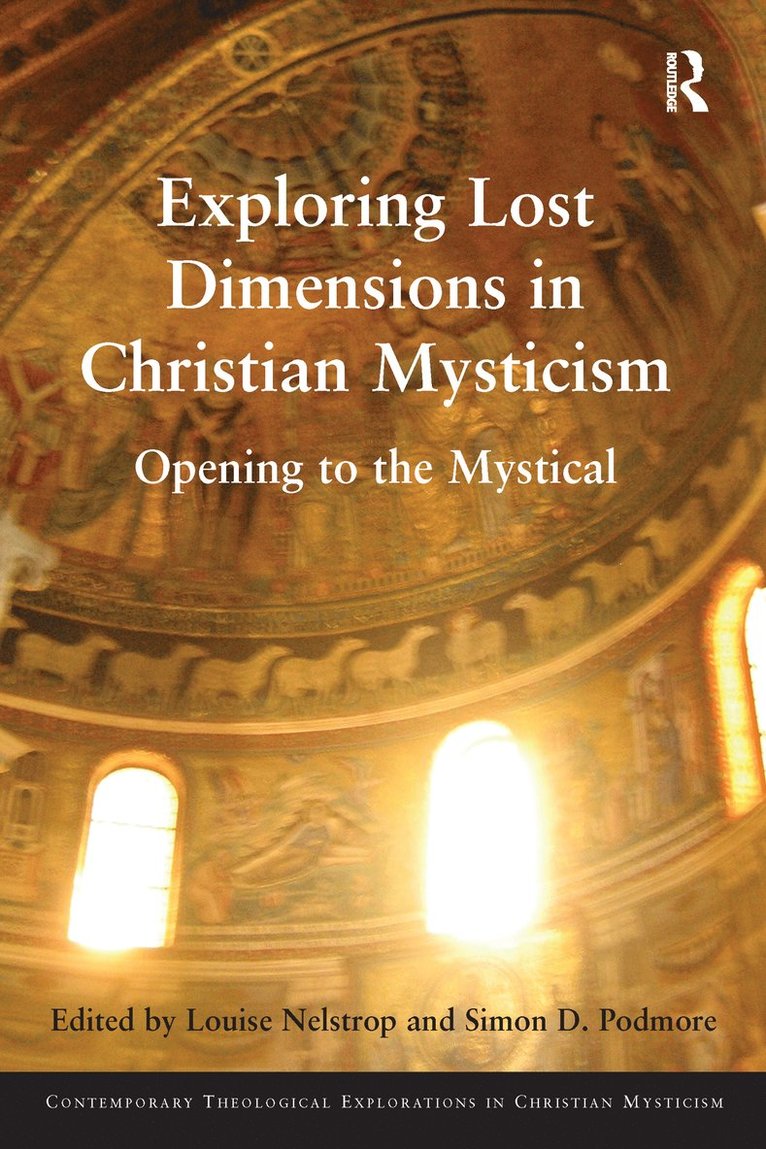
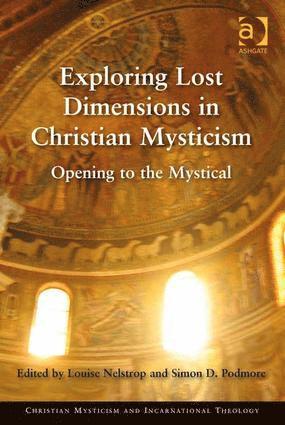
Exploring Lost Dimensions in Christian Mysticism
Louise Nelstrop, Simon D. Podmore
Inbunden, 2013
3 509 kr
Mystical Theology and Continental Philosophy
David Lewin, Simon D. Podmore, Duane Williams
Inbunden, 2017
3 209 kr
Hoppa över listan


Du kanske också är intresserad av
Mystical Theology and Continental Philosophy
David Lewin, Simon D. Podmore, Duane Williams
Inbunden, 2017
3 209 kr
Exploring Lost Dimensions in Christian Mysticism
Louise Nelstrop, Simon D. Podmore
Inbunden, 2013
3 509 kr
Mystical Theology and Continental Philosophy
David Lewin, Simon D. Podmore, Duane Williams
Häftad, 2019
899 kr
Christian Mysticism and Incarnational Theology
Louise Nelstrop, Simon D. Podmore
Inbunden, 2013
3 509 kr
- Nyhet
- Nyhet
- Nyhet
Del 6