
Del 60
Kasimovian Age of The Carboniferous Period: Bridging the Past to the Present
Häftad, Engelska, 2025
1 189 kr
Skickas . Fri frakt för medlemmar vid köp för minst 249 kr.
The Kasimovian Age of The Carboniferous Period: Bridging the Past to the Present reconstructs the natural history of the Earth as well as the history of the development of human civilization using the example of the Oka River banks, where the author spent his childhood and where he developed an interest in the study of natural science. You can travel in space to learn about the world and travel in time, being at one point in space. Without leaving Königsberg, Immanuel Kant created one of the greatest philosophical systems. The author's task is much more modest: in eleven chapters, the author traces the history of the Earth, starting from its origin, from a single point of reference. Without expanding space, readers can better understand the flow of time. The objective astronomical and geological time represents a synthesis of the individual times of the organisms that inhabited the planet and collectively created its unique history. With the advent of man, this temporal flow is intensified, the dynamic processes are increased, and a new, unique world of the noosphere is formed by integrating what has been accumulated over hundreds of millions of years of biosphere evolution, in which human consciousness became the engine of global processes. Developing the optimal and non-destructive trajectories of this movement is the primary task of civilization, and our knowledge of the natural history of the native land is the first important step toward its implementation.
Produktinformation
- Utgivningsdatum2025-12-30
- Mått152 x 229 x 6 mm
- Vikt300 g
- FormatHäftad
- SpråkEngelska
- SerieOrigin, Evolution and Geological History of the Earth
- FörlagNova Science Publishers Inc
- ISBN9798901340592
Tillhör följande kategorier
Hoppa över listan

Mer från samma författare
Del 60
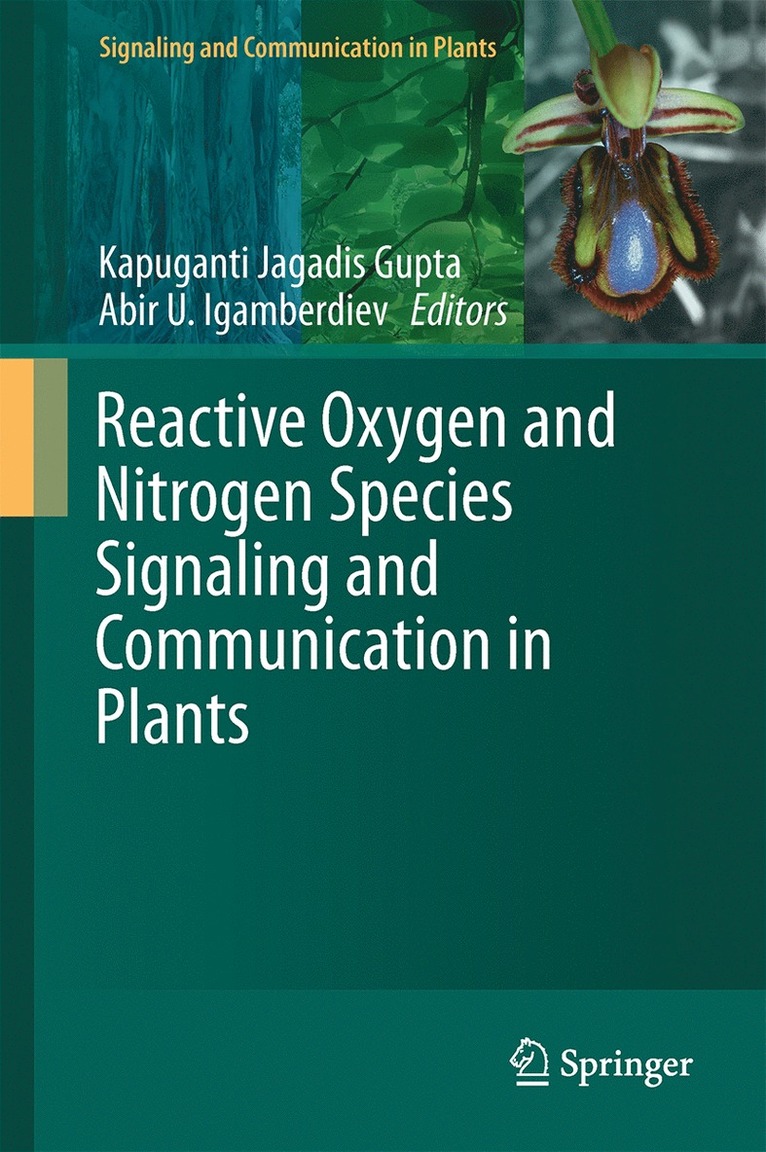
Reactive Oxygen and Nitrogen Species Signaling and Communication in Plants
Kapuganti Jagadis Gupta, Abir U. Igamberdiev
Inbunden, 2014
2 109 kr
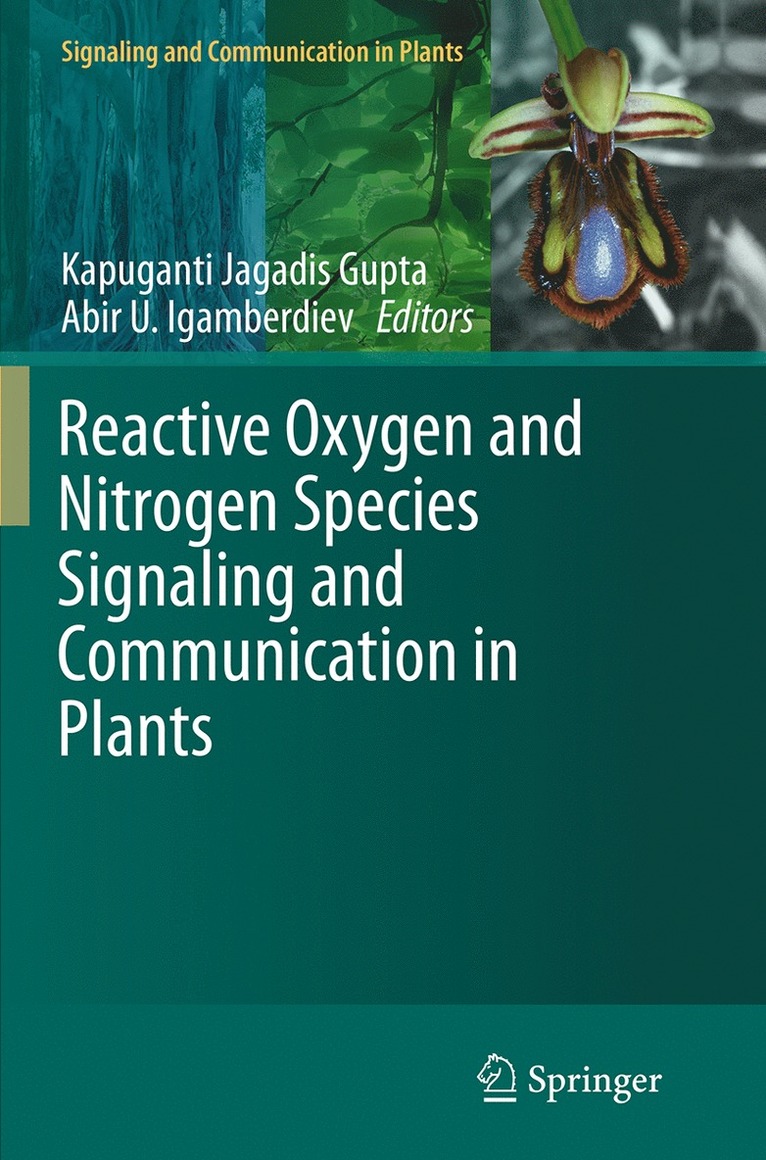
Reactive Oxygen and Nitrogen Species Signaling and Communication in Plants
Kapuganti Jagadis Gupta, Abir U. Igamberdiev
Häftad, 2016
2 109 kr
Hoppa över listan

Du kanske också är intresserad av
Reactive Oxygen and Nitrogen Species Signaling and Communication in Plants
Kapuganti Jagadis Gupta, Abir U. Igamberdiev
Inbunden, 2014
2 109 kr
Del 60
Reactive Oxygen and Nitrogen Species Signaling and Communication in Plants
Kapuganti Jagadis Gupta, Abir U. Igamberdiev
Häftad, 2016
2 109 kr
Del 60

Del 1