
Judges in Street Clothes
Acting Ethically Off-the-Bench
Häftad, Engelska, 2019
669 kr
Beställningsvara. Skickas inom 10-15 vardagar. Fri frakt för medlemmar vid köp för minst 249 kr.
Finns i fler format (1)
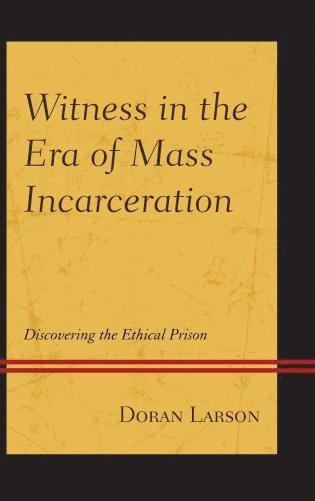
To maintain public confidence in the judiciary, judges are governed by the strictest of ethical codes. Codes of conduct not only circumscribe a judge’s official conduct but also restrict every aspect of a judge’s off-bench life. Judges in Street Clothes: Acting Ethically Off-the-Bench provides an in-depth analysis of the rules limiting the charitable, educational, religious, fraternal, civic, and law-related extrajudicial activities of state and federal judges. This comprehensive, heavily footnoted resource examines: (1) the historical development of the American Bar Association’s four model judicial codes with an emphasis on the rules regulating the charitable, educational, religious, fraternal, civic, and law-related activities of judges; (2) the State’s interests in restricting the extrajudicial activities of judges; (3) the strengths and weaknesses of rules governing a judge’s off-bench activities; (4) how state and federal courts, judicial disciplinary commissions, and judicial ethics advisory committees have interpreted judicial conduct rules; (5) best practices for judges; and (6) the constitutionality of the restrictions on a judge’s charitable, educational, religious, fraternal, civic, and law-related undertakings.From both a theoretical and practical standpoint, this book addresses the ethical implications of the everyday activities of judges. How far may a judge go in expressing personal opinions about social and legal issues? What are the limits on a judge’s use of social media? Is it permissible for a judge to receive an award from a victim advocacy group? Do the rules permit a judge to speak at a church or bar association’s fund-raising dinner? May judges teach prosecutors and law enforcement officials how to improve their job performance? May a judge appear in an informational video for the judge’s alma mater? Former judge Raymond J. McKoski discusses these and a host of other everyday situations judges face in their attempts to remain involved community members while promoting public confidence in the independence, integrity, and impartiality of the judiciary.
Produktinformation
- Utgivningsdatum2019-05-28
- Mått152 x 219 x 21 mm
- Vikt417 g
- FormatHäftad
- SpråkEngelska
- SerieFairleigh Dickinson University Press Series in Law, Culture, and the Humanities
- Antal sidor328
- FörlagAssociated University Presses
- ISBN9781611479249
Tillhör följande kategorier
Hoppa över listan




Mer från samma serie
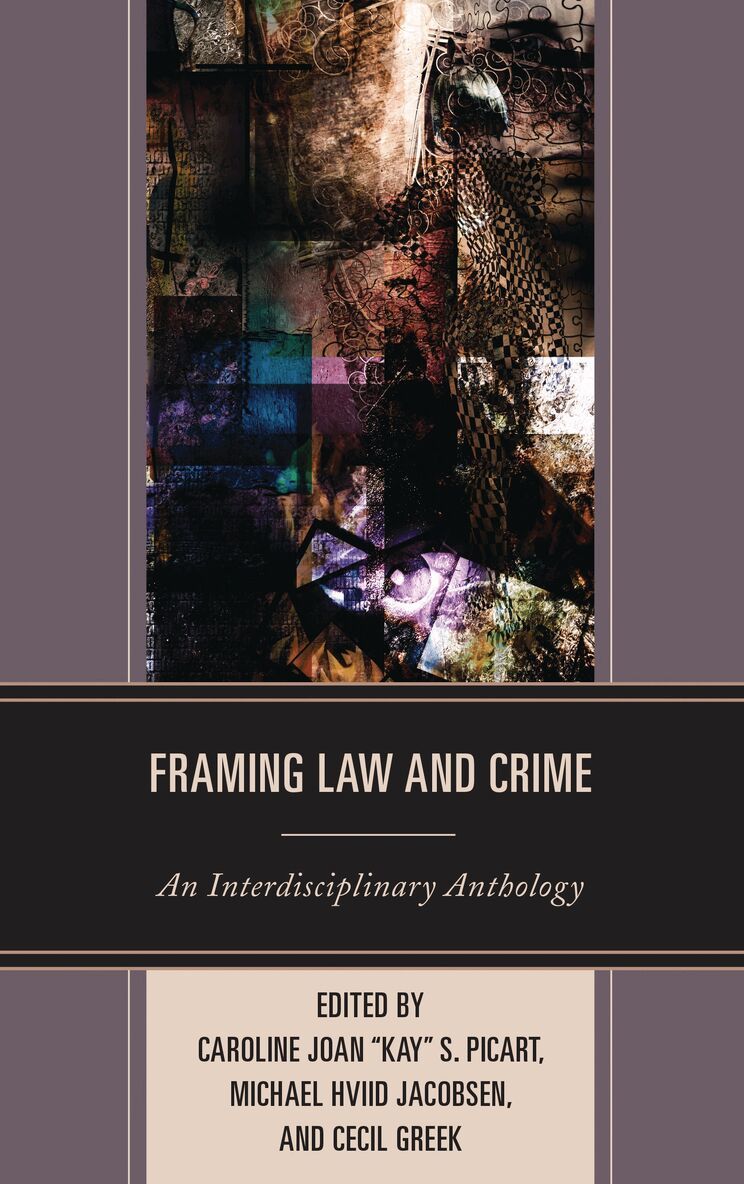
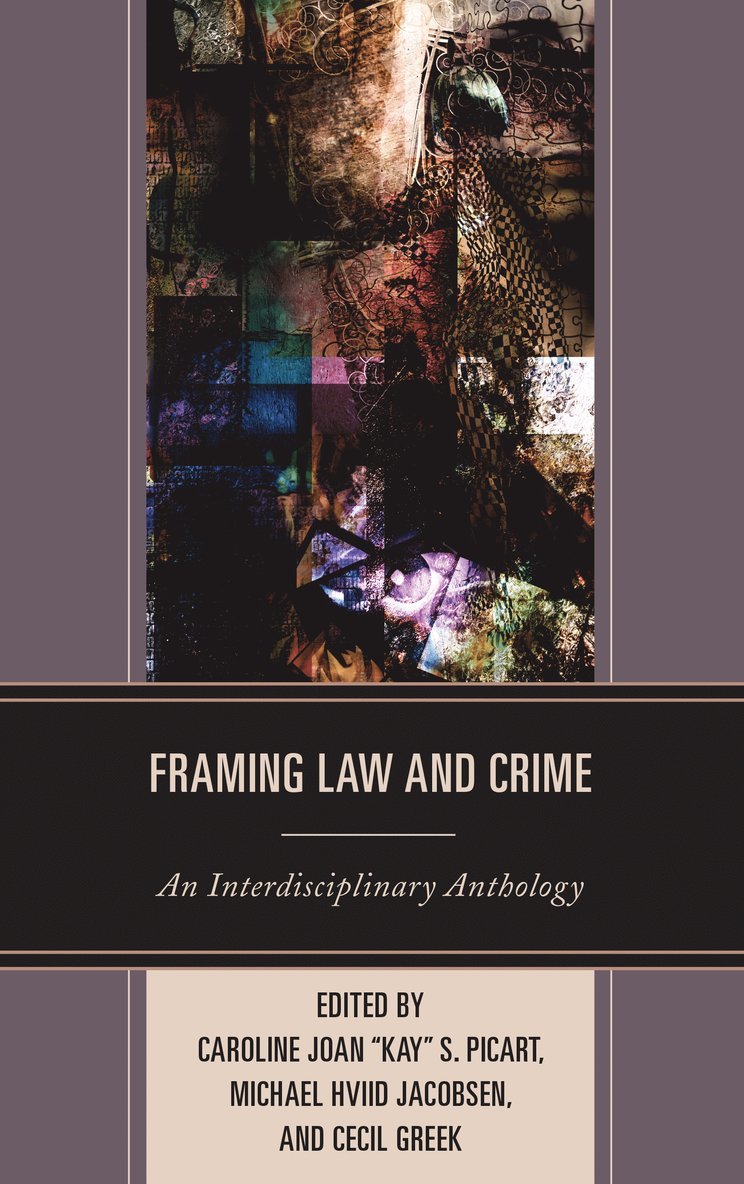
Framing Law and Crime
Caroline Joan "Kay" S. Picart, Michael Hviid Jacobsen, Cecil Greek
Inbunden, 2016
2 289 kr
Framing Law and Crime
Caroline Joan "Kay" S. Picart, Michael Hviid Jacobsen, Cecil Greek
Häftad, 2018
1 259 kr
Hoppa över listan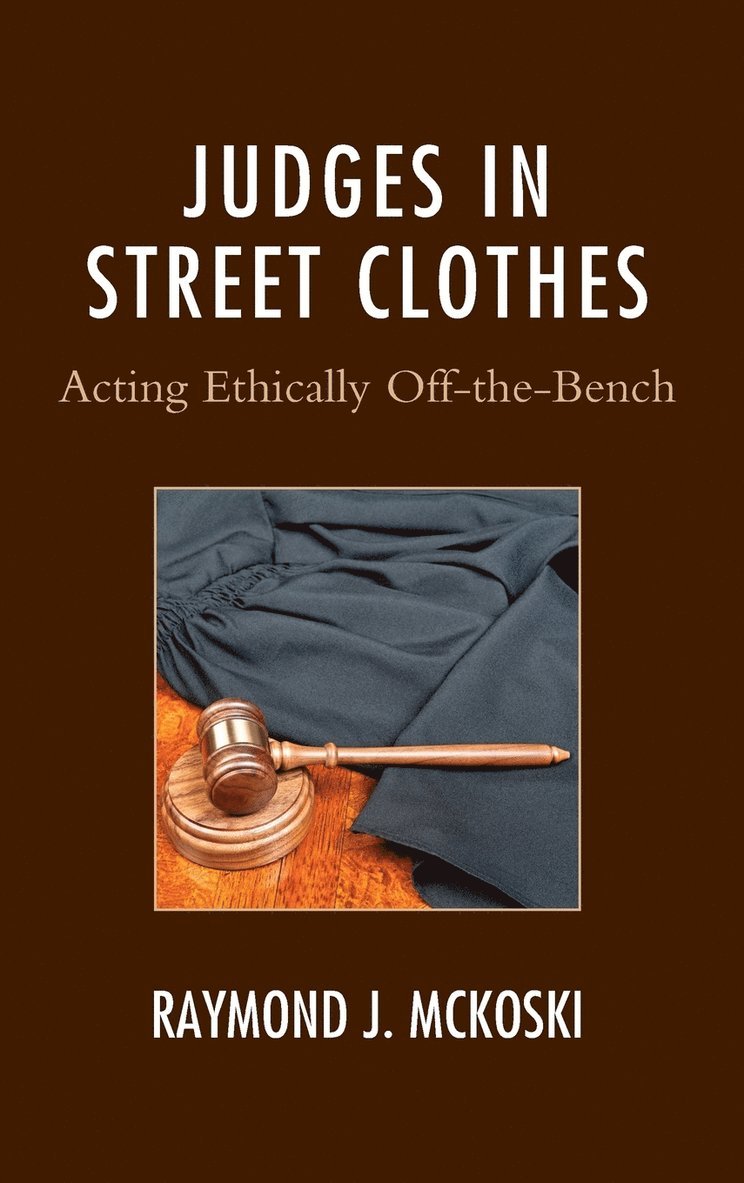








Du kanske också är intresserad av
- Nyhet
- Nyhet
Del 11
- Nyhet
- Nyhet
Del 3
- Nyhet
Del 6
- Nyhet
Del 1
Del 2