
Del i serien Classics of Irish History
Journey in Ireland 1921
Häftad, Engelska, 2008
449 kr
Tillfälligt slut
In "A Journey in Ireland 1921", originally published in 1922, Ewart relates memories of his journey of April and May 1921. He interviews prominent figures ranging from the Dublin Castle spin-doctor Basil Clarke, Sinn Fein activists in Cork and Limerick to Southern Unionists, former Home Rule MPs and the writer and commentator AE (George Russell). His attempt at a walking tour between Cork and Belfast led to his being interrogated both by British forces and by the IRA; his account ends with a description of Ulster Unionist public meetings addressed by James Craig and Dawson Bates as the Northern Ireland parliament and government were about to come into existence.A meticulous and intelligent observer, Ewart finds himself caught between fellow feeling for embattled British forces and dismayed at the state to which Ireland had been reduced. His account provides a striking pen-portrait of Ireland in the last stages of the War of Independence.
Produktinformation
- Utgivningsdatum2008-11-21
- FormatHäftad
- SpråkEngelska
- SerieClassics of Irish History
- Antal sidor208
- FörlagUniversity College Dublin Press
- ISBN9781906359171
Tillhör följande kategorier
Hoppa över listan
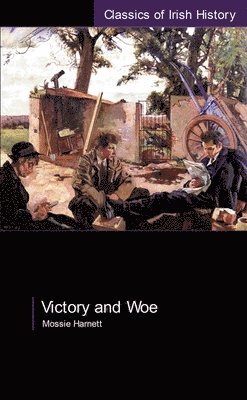

Mer från samma serie
Victory and Woe: The West Limerick Brigade in the War of Independence
Mossie Harnett
Häftad, 2002
319 kr
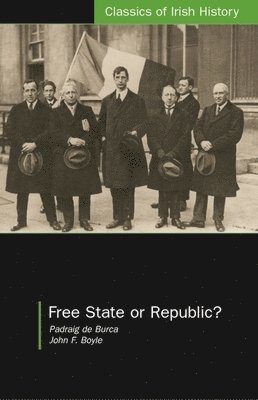
Free State or Republic?: Pen Pictures of the Historic Treaty Session of "Dail Eireann"
Padraig de Burca
Häftad, 2002
269 kr
Hoppa över listan
Du kanske också är intresserad av
Free State or Republic?: Pen Pictures of the Historic Treaty Session of "Dail Eireann"
Padraig de Burca
Häftad, 2002
269 kr