
Del i serien Sephardi and Mizrahi Studies
Jewish Literary Eros
Between Poetry and Prose in the Medieval Mediterranean
Inbunden, Engelska, 2022
759 kr
Beställningsvara. Skickas inom 5-8 vardagar. Fri frakt för medlemmar vid köp för minst 249 kr.
In Jewish Literary Eros, Isabelle Levy explores the originality and complexity of medieval Jewish writings. Examining medieval prosimetra (texts composed of alternating prose and verse), Levy demonstrates that secular love is the common theme across Arabic, Hebrew, French, and Italian texts. At the crossroads of these spheres of intellectual activity, Jews of the medieval Mediterranean composed texts that combined dominant cultures' literary stylings with biblical Hebrew and other elements from Jewish cultures. Levy explores Jewish authors' treatments of love in prosimetra and finds them creative, complex, and innovative.Jewish Literary Eros compares the mixed-form compositions by Jewish authors of the medieval Mediterranean with their Arabic and European counterparts to find the particular moments of innovation among textual practices by Jewish authors. When viewed in the comparative context of the medieval Mediterranean, the evolving relationship between the mixed form and the theme of love in secular Jewish compositions refines our understanding of the ways in which the Jewish literature of the period negotiates the hermeneutic and theological underpinnings of Islamicate and Christian literary traditions.
Produktinformation
- Utgivningsdatum2022-06-07
- Mått152 x 229 x 20 mm
- Vikt481 g
- FormatInbunden
- SpråkEngelska
- SerieSephardi and Mizrahi Studies
- Antal sidor210
- FörlagIndiana University Press
- MedarbetareRaymondP. Scheindlin
- ISBN9780253060150
Tillhör följande kategorier
Hoppa över listan

Mer från samma serie
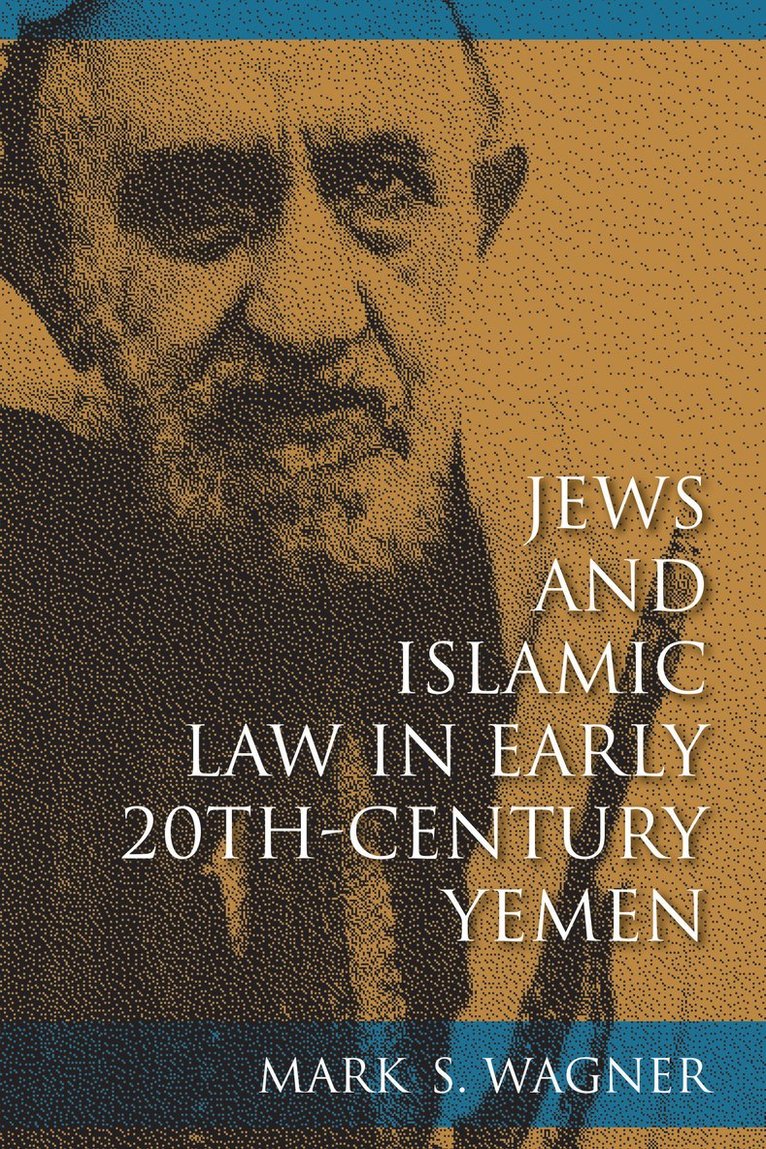
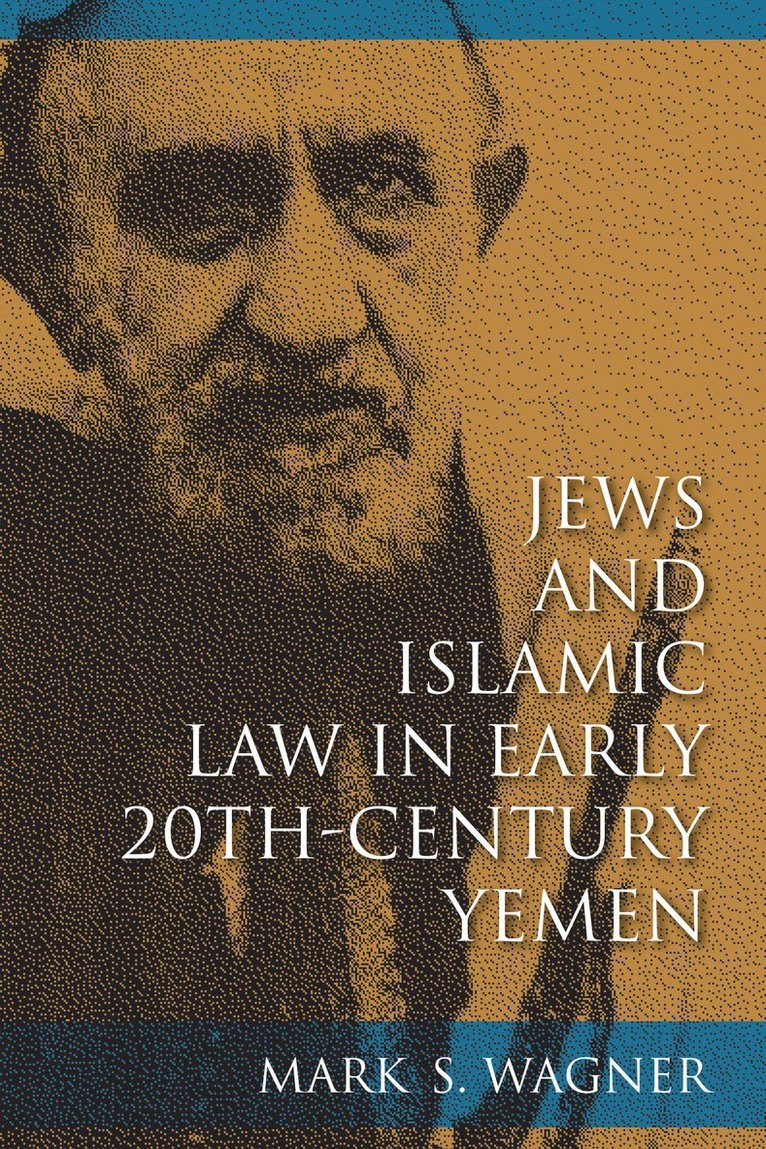
Jews and Islamic Law in Early 20th-Century Yemen
Mark S. Wagner, Sarah Abrevaya Stein
Inbunden, 2014
1 129 kr
Jews and Islamic Law in Early 20th-Century Yemen
Mark S. Wagner, Sarah Abrevaya Stein
Häftad, 2014
419 kr