
Del i serien Historicizing Modernism
James Joyce and Photography
Häftad, Engelska, 2023
649 kr
Beställningsvara. Skickas inom 10-15 vardagar. Fri frakt för medlemmar vid köp för minst 249 kr.
Finns i fler format (1)
James Joyce and Photography is the first book to explore in-depth James Joyce's personal and professional engagement with photography. Photographs, photographic devices and photographically-inspired techniques appear throughout Joyce’s work, from his narrator's furtive proto-photographic framing in Silhouettes (c. 1897), to the aggressively-minded 'Tulloch-Turnbull girl with her coldblood kodak' in Finnegans Wake (1939).Through an exploration of Joyce's manuscripts and photographic and newspaper archival material, as well as the full range of his major works, this book sheds new light on his sustained interest in this visual medium. This project takes Joyce’s intention in Dubliners (1914) to ‘betray the soul of that hemiplegia or paralysis which many consider a city’ as key to his interaction with photography, which in his literature occupies a dual position between stasis and innovation.
Produktinformation
- Utgivningsdatum2023-12-28
- Mått150 x 229 x 10 mm
- Vikt340 g
- FormatHäftad
- SpråkEngelska
- SerieHistoricizing Modernism
- Antal sidor224
- FörlagBloomsbury Publishing PLC
- ISBN9781350328709
Tillhör följande kategorier
Hoppa över listan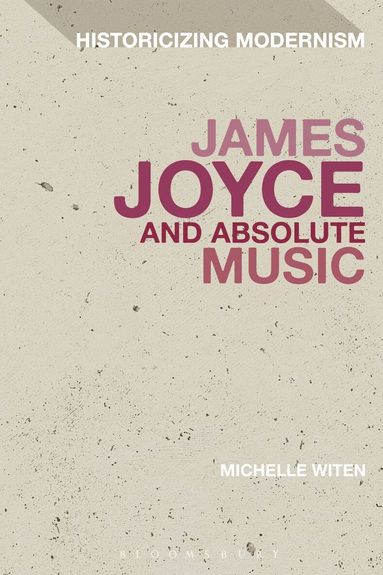
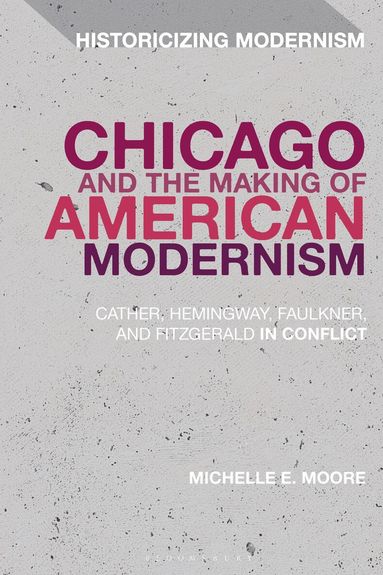
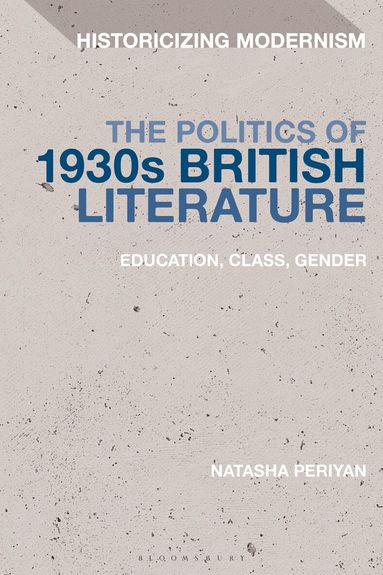
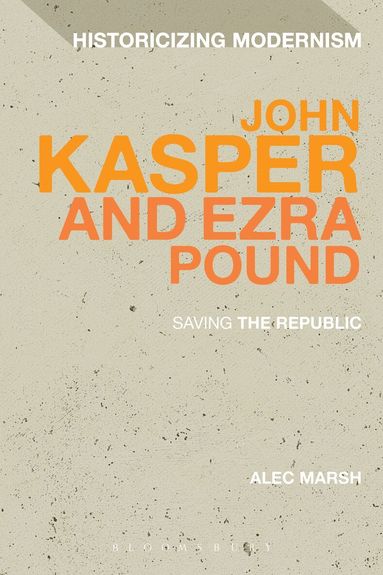
Mer från samma serie
T. E. Hulme and the Ideological Politics of Early Modernism
Henry Mead, Matthew Feldman
Häftad, 2017
839 kr
Hoppa över listan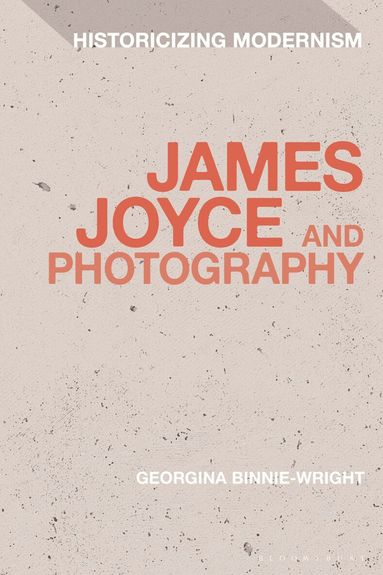



Du kanske också är intresserad av
- Nyhet
Del 6
- Nyhet
Del 11
- Nyhet
Del 3
- Nyhet
- Nyhet
Del 7
- Nyhet
Del 4
- Nyhet
- Nyhet
Del 3
- Nyhet
Del 1