
Italian Invert
A Gay Man’s Intimate Confessions to Émile Zola
Inbunden, Engelska, 2022
1 519 kr
Beställningsvara. Skickas inom 5-8 vardagar. Fri frakt för medlemmar vid köp för minst 249 kr.
“Each of us has his tastes inscribed in his brain and heart; whether he fulfills his urges with regret or with joy, he must fulfill them. He should let others act according to their own nature. It’s fate that creates us and guides us throughout our lives: to fight against it would be little more than fruitless, foolish, and reckless!”In the late 1880s, a dashing young Italian aristocrat made an astonishing confession to the novelist Émile Zola. In a series of revealing letters, he frankly described his sexual experiences with other men—including his seduction as a teenager by one of his father’s friends and his first love affair, with a sergeant during his military service—as well as his “extraordinary” personality. Judging it too controversial, Zola gave it to a young doctor, who in 1896 published a censored version in a medical study on sexual inversion, as homosexuality was then known. When the Italian came across this book, he was shocked to discover how his life story had been distorted. In protest, he wrote a long, daring, and unapologetic letter to the doctor defending his right to love and to live as he wished.This book is the first complete, unexpurgated version in English of this remarkable queer autobiography. Its text is based on the recently discovered manuscript of the Italian’s letter to the doctor. It also features an introduction tracing the textual history of the documents, analytical essays, and additional materials that help place the work in its historical context. Offering a striking glimpse of gay life in Europe in the late nineteenth century, The Italian Invert brings to light the powerful voice of a young man who forthrightly expressed his desires and eloquently affirmed his right to pleasure.
Produktinformation
- Utgivningsdatum2022-07-05
- Mått152 x 229 x undefined mm
- FormatInbunden
- SpråkEngelska
- Antal sidor272
- FörlagColumbia University Press
- ISBN9780231204880
- ÖversättareNancy Erber, William Peniston
Tillhör följande kategorier
Hoppa över listan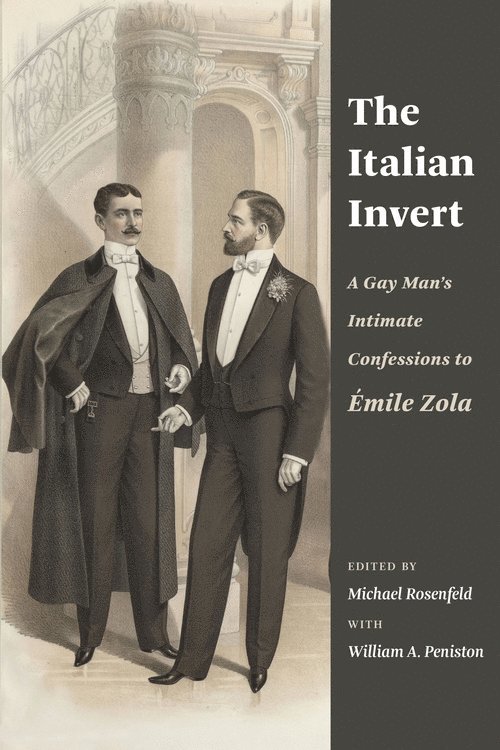






Du kanske också är intresserad av
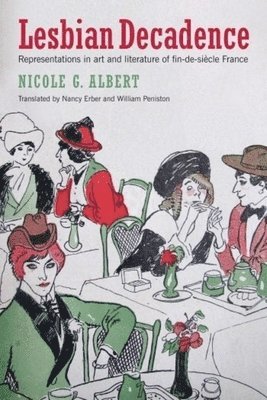
Lesbian Decadence – Representations in Art and Literature of Fin–de–Sièclè France
Nicole Albert, Nancy Erber, William Peniston
Inbunden, 2016
1 079 kr
Community, Continuity and Change: New Perspectives on Staten Island History
Michael Rosenfeld, Charles Lacerra
Häftad, 1999
579 kr
- Nyhet
Del 11