
Del i serien Perspectives on Crime and Justice
It Started with the Hats
The Life Experiences of Boston's Founding Street Gang Members
Häftad, Engelska, 2024
379 kr
Beställningsvara. Skickas inom 5-8 vardagar. Fri frakt för medlemmar vid köp för minst 249 kr.
In the late 1980s, the introduction of crack cocaine and easy access to guns led to the emergence of the street gang culture and an explosion of gun violence in Boston. Black and Latino youth were both perpetrators and victims of firearm violence as the city grappled with a staggering number of shootings and homicides. Officers within the Boston Police Department struggled to find new and creative ways to combat the growing violence and neutralize gang influence. Paul Joyce was one of those officers.Throughout his extensive career with the Boston Police, Joyce was at the forefront of the Department’s anti-gang and youth violence initiatives, including during the height of gang and gun violence in the late 1980s through early 1990s. Later in his career, after thirty-one years in policing, Joyce transitioned to academia as a criminologist, seeking to better understand the lives of the gang members he had encountered during his time as an officer. He interviewed thirty Black and Latino men who witnessed and led the emergence of the street gang phenomenon in Boston. Joyce’s strong relationship with community leaders led to the recruitment of the men, who ultimately entrusted him with their life stories and their inner worlds. Using the men’s own words to describe the tragedies they endured, the crimes they committed, and the penalties they paid, Joyce now shares their stories of life before, during, and after gang membership.Joyce examines the influences that motivated the men toward joining gangs, their gang experiences, and the turning points that shaped their paths later in life, whether leading to desistance from or continued persistence in criminal behavior. Joyce explores their lives from childhood into adulthood, providing a deep analysis of the factors that influenced the entire trajectory of gang members’ lives. By utilizing this life-course approach, Joyce adds to the discourse regarding what influences a gang member’s ability or inability to transition out of criminality and the gang life.This uniquely candid look at gang membership, humanized by the perspectives of the men who experienced it, provides invaluable insight into the complex interplay of the social, cultural, and personal factors that shape individuals’ life courses. This, in turn, has important implications regarding the types of outside interventions that would be the most effective in making a positive difference in the lives of current and former gang members.
Produktinformation
- Utgivningsdatum2024-08-19
- Mått152 x 229 x 16 mm
- Vikt54 g
- FormatHäftad
- SpråkEngelska
- SeriePerspectives on Crime and Justice
- Antal sidor278
- FörlagSouthern Illinois University Press
- MedarbetareJ.Larry Mayes
- ISBN9780809339440
Tillhör följande kategorier
Hoppa över listan

Mer från samma serie
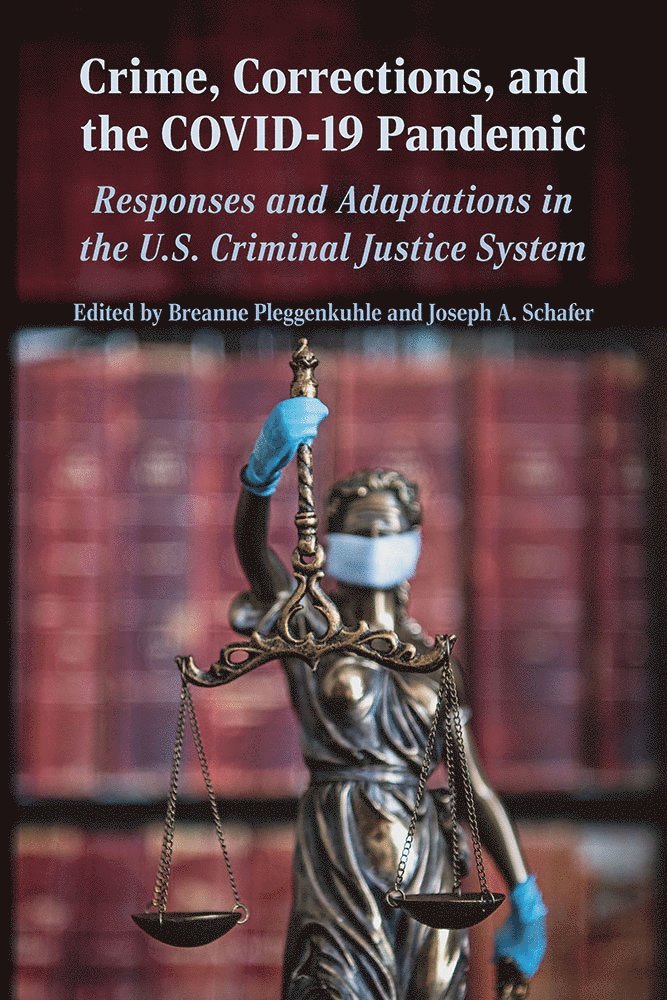
Crime, Corrections, and the COVID-19 Pandemic
Rasheed Babatunde Ibrahim, Ismail Ayatullah Nasirudeen, Ben Stickle, James A. Plank, Shannon Christensen, Taylor Gerry, McKenna Bennett, Erin C. Heil, Andrea J. Nichols, David R. White, Andrew Hartung, Janne E. Gaub, Marthinus C. Koen, Jacob W. Forston, Shi Yan, Miko M. Wilford, Rachele J. DiFava, Matthew Vanden Bosch, Angela S. Murolo, Lucas Alward, Ashley Lockwood, Holly Macleod, Sarah Ackerman, Jill Viglione, Jin R. Lee, Jennifer M. Ayerza, Wei-Gin Lee, Vahid Jadidi, Thomas J. Holt, Breanne Pleggenkuhle, Joseph A. Schafer
Häftad, 2025
359 kr
Crime, Corrections, and the COVID-19 Pandemic
Ben Stickle, Erin C. Heil, Ismail Ayatullah Nasirudeen, James A. Plank, McKenna Bennett, Rasheed Babatunde Ibrahim, Shannon Christensen, Taylor Gerry, Breanne Pleggenkuhle, Joseph A. Schafer
Inbunden, 2025
1 139 kr
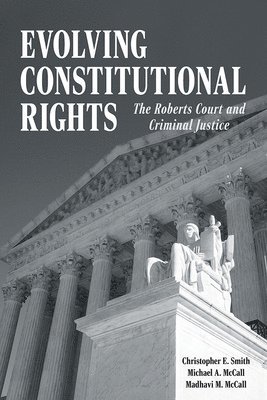
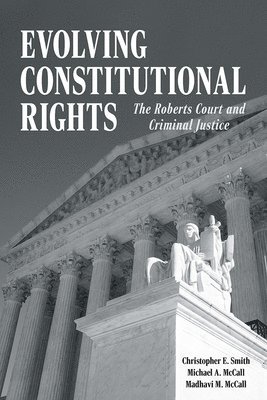
Evolving Constitutional Rights
Christopher E. Smith, Michael A. McCall, Madhavi M. McCall
Häftad, 2025
359 kr
Evolving Constitutional Rights
Christopher E. Smith, Michael A. McCall, Madhavi M. McCall
Inbunden, 2025
1 139 kr
Hoppa över listan


Du kanske också är intresserad av
Evolving Constitutional Rights
Christopher E. Smith, Michael A. McCall, Madhavi M. McCall
Häftad, 2025
359 kr
- Nyhet
Del 3
Crime, Corrections, and the COVID-19 Pandemic
Ben Stickle, Erin C. Heil, Ismail Ayatullah Nasirudeen, James A. Plank, McKenna Bennett, Rasheed Babatunde Ibrahim, Shannon Christensen, Taylor Gerry, Breanne Pleggenkuhle, Joseph A. Schafer
Inbunden, 2025
1 139 kr
Crime, Corrections, and the COVID-19 Pandemic
Rasheed Babatunde Ibrahim, Ismail Ayatullah Nasirudeen, Ben Stickle, James A. Plank, Shannon Christensen, Taylor Gerry, McKenna Bennett, Erin C. Heil, Andrea J. Nichols, David R. White, Andrew Hartung, Janne E. Gaub, Marthinus C. Koen, Jacob W. Forston, Shi Yan, Miko M. Wilford, Rachele J. DiFava, Matthew Vanden Bosch, Angela S. Murolo, Lucas Alward, Ashley Lockwood, Holly Macleod, Sarah Ackerman, Jill Viglione, Jin R. Lee, Jennifer M. Ayerza, Wei-Gin Lee, Vahid Jadidi, Thomas J. Holt, Breanne Pleggenkuhle, Joseph A. Schafer
Häftad, 2025
359 kr
Evolving Constitutional Rights
Christopher E. Smith, Michael A. McCall, Madhavi M. McCall
Inbunden, 2025
1 139 kr
- Nyhet
Del 11
- Nyhet
Del 4
- Nyhet
Del 6