
Israel’s Military Doctrine
Inbunden, Engelska, 2018
1 559 kr
Beställningsvara. Skickas inom 10-15 vardagar. Fri frakt för medlemmar vid köp för minst 249 kr.
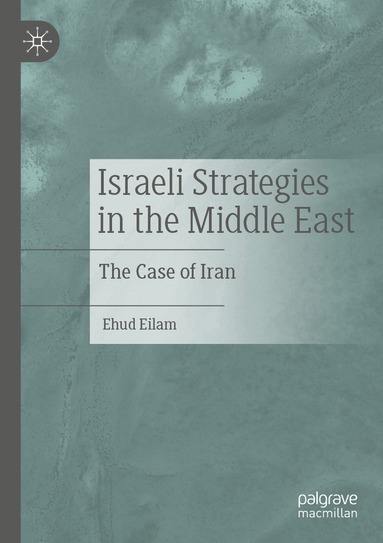
Israel’s military doctrine was aimed at defeating powerful Arab militaries, mostly those of Egypt, Syria and Jordan. In the years 1948-1982 Israel and Arab states had a series of wars i.e. high intensity wars. Israel, since 1948, also dealt with guerrilla and terror attacks. Since 1982 and mostly in the last 15 years Israel faced hybrid forces, Hamas and Hezbollah. Those groups are a mix between a conventional military and a guerrilla group. Israel fought against Hezbollah in Lebanon in 2006 and against Hamas in the Gaza Strip, mostly in two wars, in 2008-2009 and in 2014. This book begins with explaining Israel’s national security policy. Then it focuses on how the IDF (Israel defense forces) had to adjust its doctrine and build up to confront hybrid forces, by examining Israel’s air and the ground corps and major issues such as offense and defense, infrastructure and manpower. The IDF can inflict heavy casualties and damages to a hybrid foe. Yet destroying the latter is a tall order because Hezbollah and Hamas are too elusive, they hide inside populated areas etc. However, compared with past wars against Arab states, there is much less danger to Israel let alone to its survival since even a coalition between Hezbollah, Hamas and other groups can’t defeat the IDF. Furthermore since fighting a hybrid force is less demanding than running a high intensity war against an Arab state, then Israel does not rely that much on the United States in receiving weapon systems, ammunition and spare parts.
Produktinformation
- Utgivningsdatum2018-05-29
- Mått160 x 230 x 19 mm
- Vikt449 g
- FormatInbunden
- SpråkEngelska
- Antal sidor174
- FörlagBloomsbury Publishing Plc
- ISBN9781498575638
Tillhör följande kategorier
Hoppa över listan


Mer från samma författare
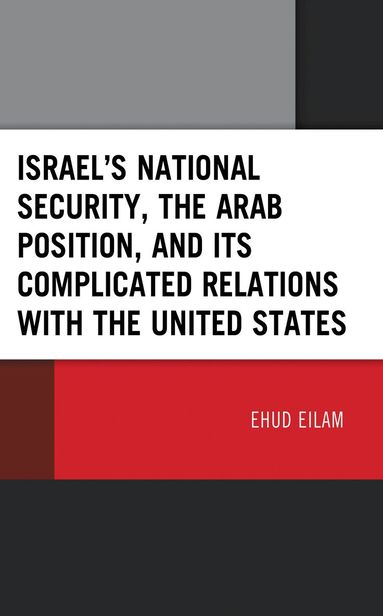
Israel’s National Security, the Arab Position, and Its Complicated Relations with the United States
Ehud Eilam
Inbunden, 2022
1 599 kr
Hoppa över listan


Du kanske också är intresserad av
Israel’s National Security, the Arab Position, and Its Complicated Relations with the United States
Ehud Eilam
Inbunden, 2022
1 599 kr
- Nyhet
Del 7
- Nyhet
Del 11
- Nyhet